Pressure on Australia’s public health system is increasing, and it is placing growing strain on the doctors who work within it. Recent research findings show how workload, staffing gaps, and uneven workforce distribution are affecting retention and the system’s ability to deliver care, particularly in regional and rural areas, while also pointing to the complex balance between professional fulfilment and increasing structural pressure across the health system.
Nearly half of all doctors working in Queensland’s public health system are at risk of burnout, according to a recent Queensland Health workforce survey of more than 2,000 medical officers.
The findings offer a stark insight into the mounting pressures facing clinicians, particularly those working outside metropolitan centres, and underscore broader concerns about retention, workforce sustainability, and the long-term resilience of the public health system.
Queensland Health Minister, Tim Nicholls, said the survey revealed burnout as a significant and growing issue.
“About 49 per cent of the doctors who participated in that survey, and we had a pretty good uptake, are at risk of burnout. The job is getting tougher and the demands are getting greater,” Mr Nicholls said.
Workforce distribution remains a central challenge.
“Most people in the workforce, particularly in a lot of specialty areas, want to work in the southeast, and for many, good reasons, that’s what they want to do, so that increases the demand on the clinicians who continue to provide the services in rural and remote Queensland and regional Queensland, so they’re called on to do more,” he said.
The data presents a nuanced picture. While rural generalists were among the specialists with the highest rates of burnout risk, professional fulfilment rates were 10 per cent higher in rural locations compared to metropolitan and regional services.
“I don’t want to make light of it because it is very important when people are at risk of burnout,” Mr Nicholls said.
“It is a concern and it’s one of the issues that we need to address… and I think what it reflects is also the concerns that we have when we talk about retention and losing clinicians, and that’s one of the very, very significant issues we face.”
Burnout is not unique to Queensland
Queensland Chief Medical Officer, Dr Catherine McDougall, said the results align with global trends.
“We know burnout in the medical profession is not unique to Queensland and it is an issue being faced by health systems across the globe,” Dr McDougall said.
The survey is now being used to inform targeted responses across the state.
“Tailored reports will be provided to individual Hospital and Health Services for local leadership to review and action as an important first step,” she said.
“This will complement the workforce plan currently being developed following the Workforce Gap Analysis that identified significant shortages in key areas across the system.”
For professional bodies, the results reinforce existing concerns. AMA Queensland President, Dr Nick Yim, said the findings track with independent data.
“It tracks with our own 2025 Resident Hospital Health Check in showing higher levels of burnout and lower levels of professional fulfilment,” Dr Yim said.
“We need to address these indicators to make sure we don’t lose the doctors we already have.”
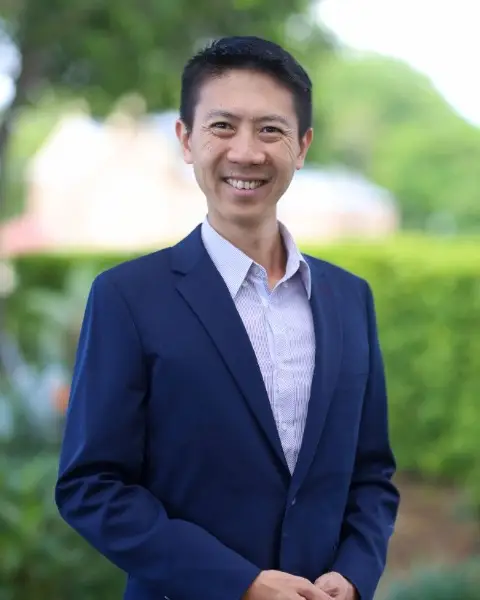
AMA Queensland President, Dr Nick Yim
What doctors say is driving burnout
The survey sheds light on what medical officers themselves identify as the most significant drivers of stress and disengagement.
Workload was ranked as the key workplace factor negatively impacting wellbeing, followed by organisational processes, resourcing, workplace culture, support and supervision, and professional development opportunities.
When asked what changes they wanted to see, doctors pointed to increased staffing levels, more flexible work arrangements, and improved access to leave and relief cover.
At the same time, the higher rates of fulfilment reported in rural and remote locations suggest that professional meaning and community connection may act as protective factors, even in high-pressure environments.
A retention and system stability issue
All medical officers employed or contracted by Queensland Health were invited to participate in the voluntary survey. The results do not include allied health or nursing professionals.
While the findings focus on doctors, they raise broader questions about workforce sustainability across the health system. Burnout is not simply an individual wellbeing issue. It intersects directly with recruitment, retention, patient safety, and service delivery.
As health systems grapple with workforce shortages and rising demand, the Queensland data highlights a fundamental tension: doctors continue to derive strong professional fulfilment from their work, particularly in rural communities, yet the structural pressures surrounding that work are intensifying.
Addressing burnout is, therefore, not only about resilience programs or wellbeing initiatives. It requires sustained attention to staffing levels, system design, leadership accountability, and equitable workforce distribution.
The survey results make one thing clear: protecting the wellbeing of doctors is inseparable from protecting the stability and future capacity of the public health system itself.
All medical officers employed or contracted by Queensland Health were invited to participate in the voluntary survey. These results do not include allied health or nursing professionals.