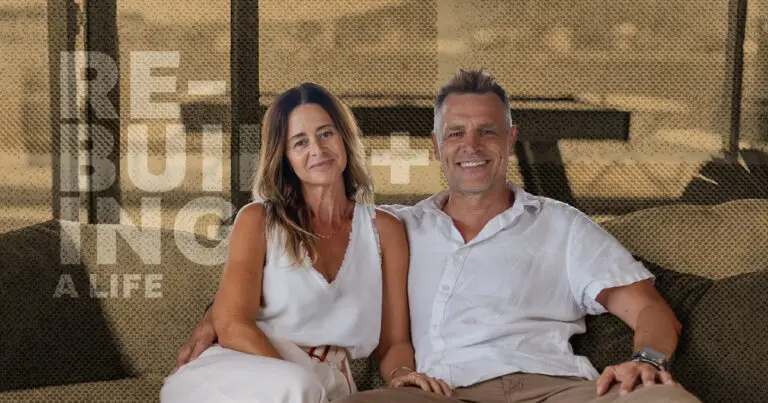
Veteran transition experiences continue to highlight the complex relationship between identity, mental health, and purpose beyond service, particularly where outward stability can mask deeper psychological strain. Shane Dimech, founder of “Mate-Ship”, discusses the value of increasing attention being given to the role of peer connection, shared experience, and non-clinical support pathways in complementing formal treatment systems.
This article contains references to suicide and self-harm. If you need support, please reach out to Open Arms—Veterans & Families Counselling at 1800 011 046.
On the night Shane Dimech decided he was going to end his life, there was no eruption, final argument, or dramatic unravelling that would have alerted anyone to the decision forming in his mind. He remembers it instead as something disturbingly ordinary. He had stopped at the pub after work, had too much to drink, lost a couple of thousand dollars on the pokies without really feeling the impact of it, and driven home carrying a quiet plan.
“I’d already worked it out,” he says. “I was going to take the boat out and kill myself that night.” He speaks about it now without theatrics, but not without weight. The boat made sense to him. He had grown up on the water, been out sailing before he could properly stand, and built a life, and later a career, around boats and marine work. If there was anywhere he felt competent, it was there. Ending his life on the water felt logical in a way nothing else did.
What makes the memory harder to sit with is not just the intent, but the context. By every conventional measure, Shane had succeeded. After eleven years in the Army, including a deployment to Iraq, he had transitioned into the civilian marine sector and built businesses that were doing well. He had staff, contracts, and income. He and his wife had endured six rounds of IVF before finally welcoming their daughter into the world. There were boats, a caravan, property, and security. It was, from the outside, a life assembled carefully and achieved through grit.
“I had all the shiny things,” he says. “All the stuff the world tells you is going to make you happy. And I wanted to kill myself.”
Somewhere between walking out of the house and carrying that plan forward, something shifted. He cannot clearly identify the moment. He does remember that he did not call Lifeline but, instead, almost instinctively, he rang the veterans’ counselling service, the number he knew would connect him back to the community he had once served in.
“I just knew they had a 24-hour line,” he says. “That’s who I called.”
Within hours, he was in the back of an ambulance, and soon after that he was admitted to the Keith Payne Unit servicing entitled veterans and war widows at Greenslopes Private Hospital. The admission kept him alive, but it did not immediately restore meaning.
The road to trauma is long and winding
To understand how a man with so much to lose could reach that point, it helps to go back to the beginning, to a childhood shaped by water and independence. Shane describes himself simply as “a boatie my whole life.” His parents had him out on their boat when he was two weeks old and, by age four, he had his own small sailing dinghy. “I liked sailing by myself,” he says. “I didn’t want a crew. I wanted to be single-handed.”
By his mid-teens, Shane was competing seriously and had even been professionally coached when Sydney’s Olympic bid stirred ambition among young sailors. Instead of finishing school, he left at fifteen to train as a sailmaker, entering a trade that kept him close to the water. At 20, after five years of work and still the youngest in the workshop, he asked how he might earn more money. Someone suggested the Army Reserve.
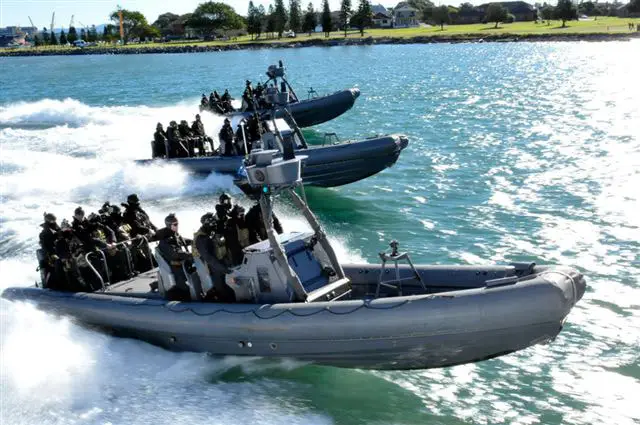
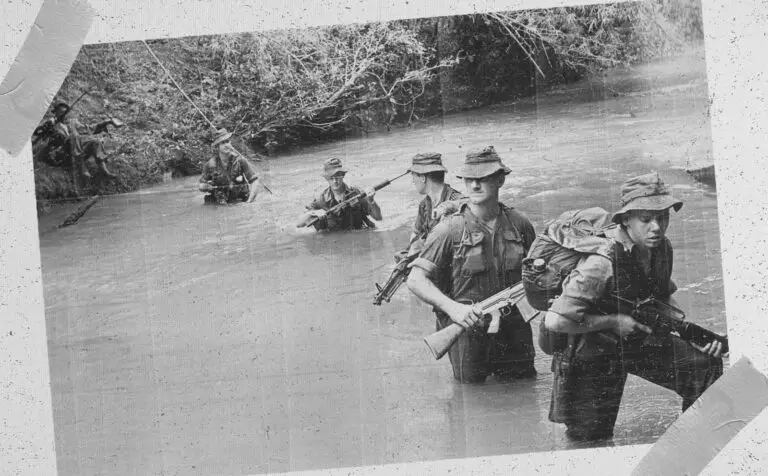
“I hadn’t thought about it at all,” he says. “But I went and did the testing and joined straight away.” Reserve service became full-time. Over eleven years, he moved through artillery, admin, and marine roles, and eventually into a commando unit responsible for domestic maritime counter-terrorism operations. In 2006, he deployed to Iraq.
“We were getting rockets and mortars fired at us most nights,” he recalls. “The first couple of weeks you’re on edge. After that, you just go to bed in your body armour and helmet and hope for the best. You lose track of the value of life because it can just go like that.”
When he returned, he underwent the standard psychological assessment. At the time, acknowledging mental health struggles could have serious consequences. “If you mentioned anything about mental health, you’d get booted,” he explains. “So, you say you’re fine. Everyone says they’re fine.”
Alcohol was also deeply embedded in the culture. “Everything’s rewarded with drinking,” he says. “You pass a course, there’s a piss-up. You get promoted, there’s a piss-up. Finish an exercise, there’s a piss-up. You go to the boozer every Thursday. Beer was a dollar. It just becomes normal.”
After Iraq, drinking escalated. “I drank a bit before I went over,” he says. “When I got back, I was drinking massive amounts all the time.” Civilian life, when it eventually came, felt flat by comparison. The adrenaline was gone, the stakes were different, and the structure that had once defined him dissolved almost overnight. He moved into the civilian marine industry and quickly found success, identifying inefficiencies, starting his own Marine Trimming business in his garage, and building a client base by walking the canals and dropping flyers into letterboxes.
“It grew really quickly,” he says. “I had six or seven people working for me at one stage, and at least six months’ worth of work booked out.” From the outside, it looked like drive. Internally, alcohol was still present and something deeper was beginning to surface, but Shane still didn’t see himself as an alcoholic.
“I wasn’t sitting in a park drinking out of a paper bag,” he says. “I was buying expensive stuff. So, in my head, that meant I was fine.” The illusion fractured on a Mother’s Day not long after their daughter was born. After years of trying to conceive, they had finally become parents. They had taken the boat out the night before and woken on the water. When his wife asked whether he planned to wish her a happy Mother’s Day, his response came out sharp and hollow.
“I said, ‘You’re not my mum’,” he recalls. “And that was when I realised something was wrong. This is what we’d been trying for for six years. And I’d just blown it off.”
He sought help at his wife’s urging and was diagnosed with PTSD, depression, anxiety, and alcohol abuse. Medication began immediately. “I didn’t feel better,” he says. “If anything, I felt flat. I’d say to people I could win the lotto or have my family killed in front of me and my reaction would be the same.”
When he was admitted to hospital after the suicide attempt, medication intensified. “Every issue you brought up, there was medication for it,” he says. “Still having nightmares? Here’s something for that. Feeling anxious? More Valium. It was just medication after medication.”
During a later admission to Greenslopes, after rejoining the world and once again falling apart, Shane looked around the ward and recognised many of the same faces from years earlier.
“They were lining up every morning for their meds and going back to bed,” he says. “That was when I went, this isn’t going to fix me.” His turning point was not a rejection of care, but a decision to take ownership of it. “I realised, if I needed to fix myself, it was going to be me,” he says. “I had to manage my own stuff.”
He found a psychiatrist willing to support him through weaning off medication and undergoing transcranial magnetic stimulation. He stopped drinking. He began practising yoga, at first simply as something offered in hospital, then with increasing commitment.
“I put my hand up for everything,” he says. “They were doing tai chi, and I thought, ‘that felt awesome’, but I’m not doing tai chi in a garden somewhere. Yoga’s similar. So, I got into yoga nearly every day for a year.”
Eventually he trained as a yoga teacher, not because he envisioned a new career, but because he recognised the value of shared vulnerability. “I’d start every class by telling my whole story,” he says. “Trying to kill myself, being an alcoholic, all of it. When people see someone stand there and say that it gives them hope.”
Turning recovery into support
The name and concept of “Mate-Ship” came to Shane during that first hospital stay. “I was lying there thinking, ‘I’ve got everything. Money, toys, businesses.’ And I wanted to kill myself. So, it’s obviously not that stuff that makes you happy.”
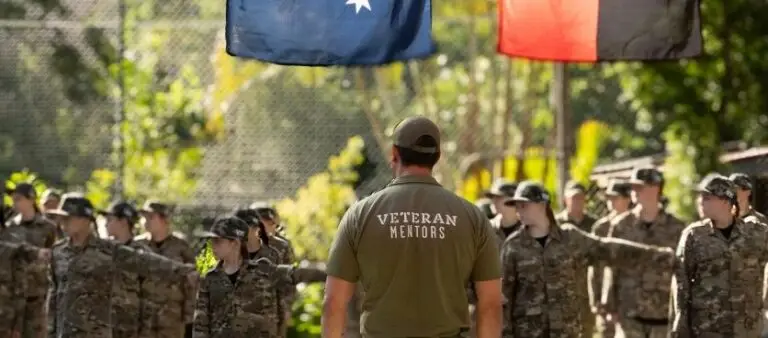
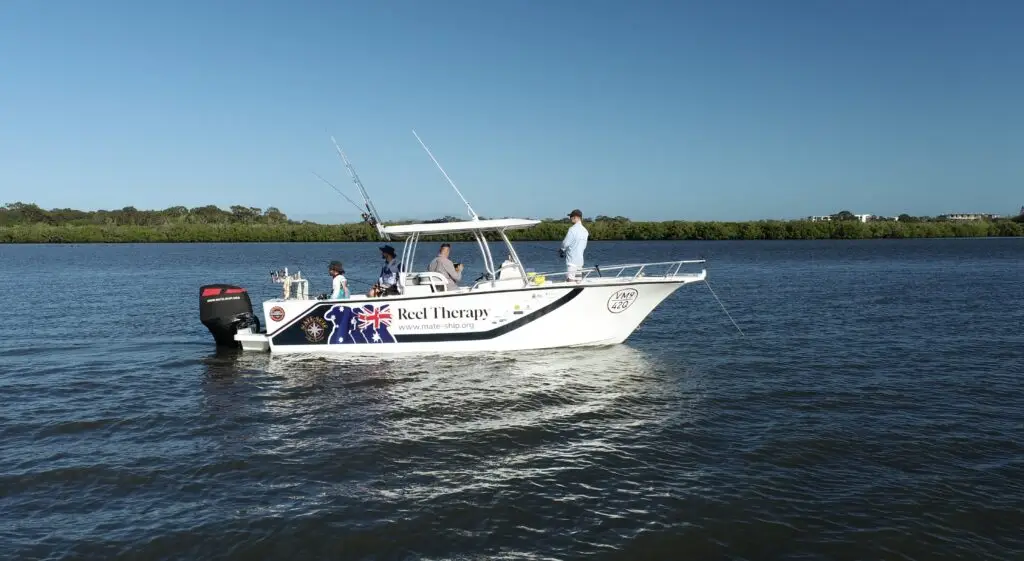
What he missed was purpose and service and, a few years later, after volunteering through Buddy Up Australia, sharing yoga classes, and finding ways to connect with his community, Mate-Ship began to take more shape as an ACNC Registered Charity designed to change the landscape of veteran and first responder mental wellness, starting with taking small groups of veterans and emergency service workers out on the water.
“I make one guarantee,” he says. “We start the day on top of the water. That’s it.” There is no alcohol or forced therapy. Mate-Ship gives people the space to fish, throw crab pots, swim if the weather allows, and, more often than not, end up talking.
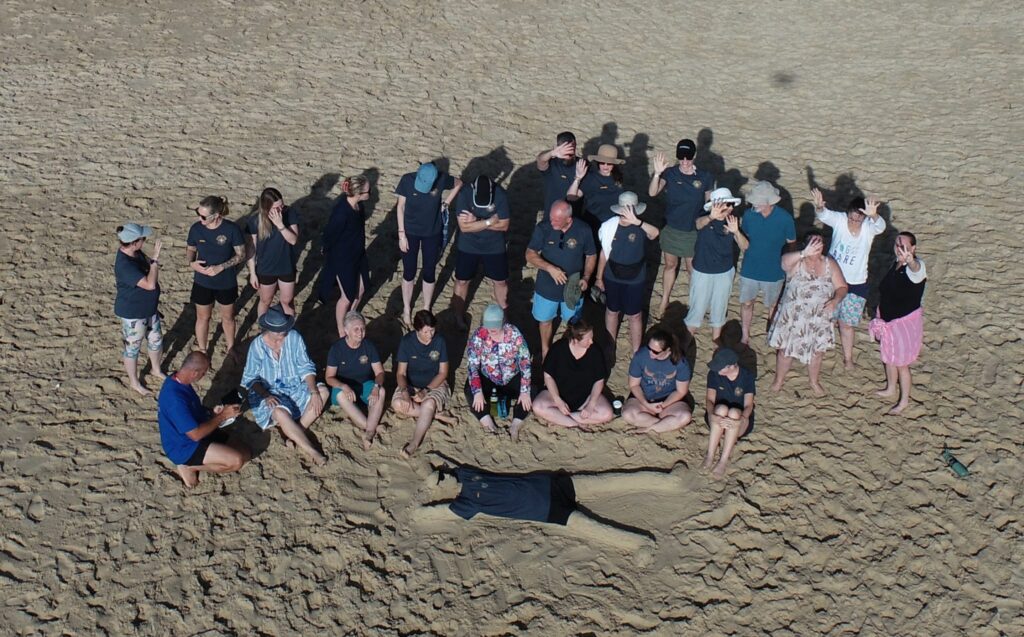
“People rock up with massive social anxiety,” Shane says. “By the end of the day, they’re exchanging phone numbers. It’s just giving them a safe space where they don’t have to wear masks.”
He deliberately discourages grievance-heavy conversations about Veterans Affairs, particularly when emergency service workers are onboard. “These guys do similar stuff we do, and they don’t get what we get,” he says. “So, let’s cut the whinge and just be here together.”
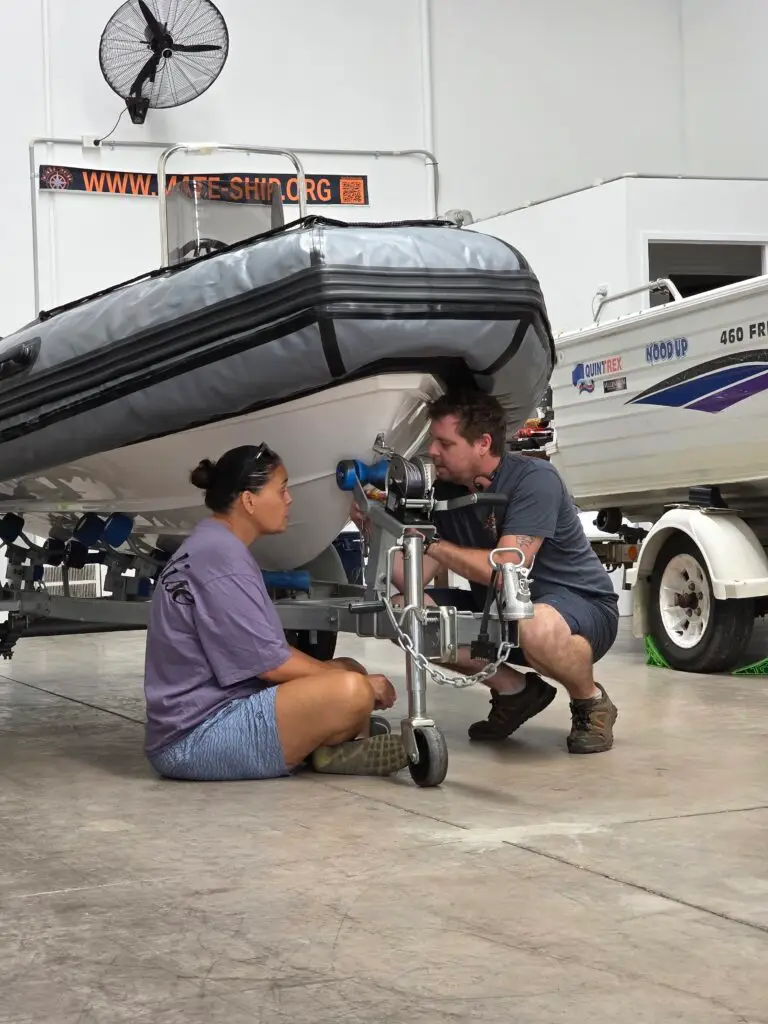
The project has expanded to include a “Mate-Shed,” where veterans work side by side restoring boats, repairing fishing reels, and learning trades. He tells the story of one man he bought a sewing machine from and casually mentioned he had a list of jobs to complete before ending his life. “He said his wife was fine with it,” Shane recalls. “He’s been at the shed nearly every day since. I’ve never heard him sound so happy.”
Shane does not describe himself as cured. He is open about the fact that he still pushes too hard, that burnout sits close if he does not manage it, and that he is only just learning to ask for help. “The way I’m going this minute, I’m not too far from the hospital if I don’t get help,” he says candidly. “But now I know that’s on me to manage.”
He once trained to board ships taken over by terrorists. Now, he builds boats that carry veterans back toward connection. The work does not erase what happened in Iraq, nor does it undo the night he planned to end his life. What it offers instead is something both simpler and harder to sustain: purpose shared among people who understand each other without explanation.
“I don’t shut up about it,” he says. “It’s my passion. Because when people don’t talk about it, that’s when things actually happen.”
On the night he chose to call instead of stepping onto the water alone, he did not yet know that decision would grow into a charity, a shed, a fleet of boats, and a community. He only knew that something had to change. What he has built since then suggests that, for some veterans, survival is not enough. They need to serve again and, sometimes, the act of creating that opportunity for others is what keeps them here.