
Veterans’ health policy is increasingly shaped by the broader challenge of balancing long-term care demand with the sustainability and accessibility of essential services. As governments respond to the findings of the Royal Commission into Defence and Veteran Suicide, debate around funding caps, provider fees, and access to allied health support reflects wider concerns about whether current systems are equipped to meet the complex and ongoing needs of the veteran community.
The Federal Government has committed new funding for allied health support for veterans in its budget, but caps have raised concerns.
Under the 2026–27 Federal Budget, the Government will invest $169.7 million over five years to increase fees paid to allied health providers delivering services through the Department of Veterans’ Affairs (DVA), however the allocation is capped annually at $5,000 per veteran.
The changes form part of the government’s response to the Royal Commission into Defence and Veteran Suicide, with a focus on health, rehabilitation and wellbeing services for the veteran community and designed to bring veterans’ payments in line with the NDIS. While the increase narrows the NDIS gap, it does not close it, with DVA rates still trailing the NDIS by up to 40 per cent for comparable allied health services.
Senator Jacqui Lambie, who was the driving force behind the Royal Commission, said veterans were not happy about the cap on allied health services, demanding the Minister for Veterans Affairs Matt Keogh release the modelling for the changes.
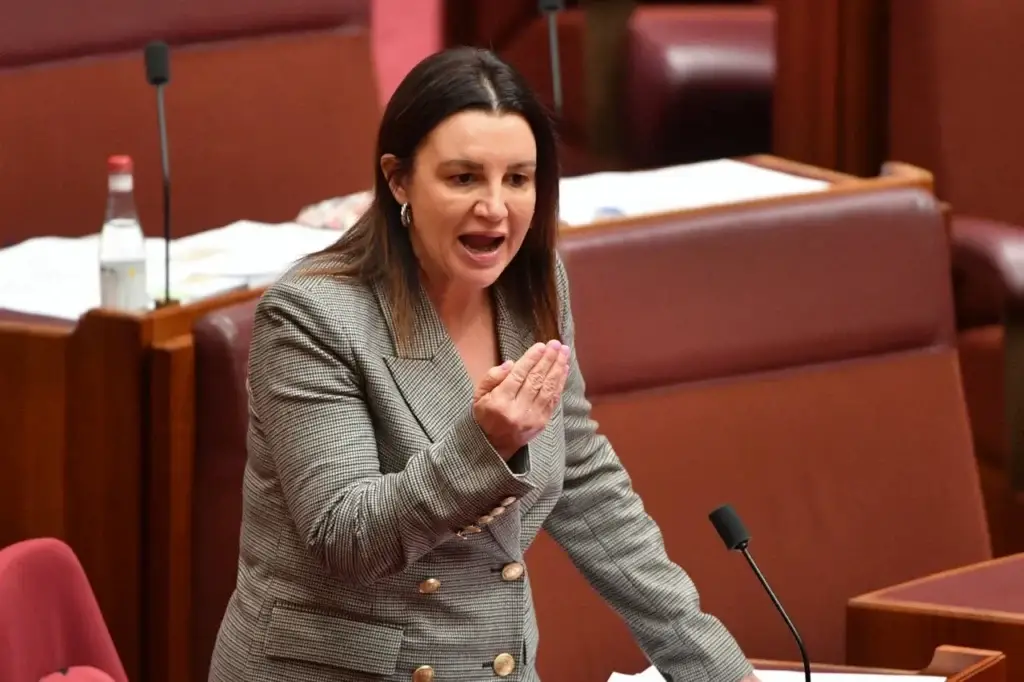
“Veterans are not numbers on a budget spreadsheet. We are people who served this country and who deserve healthcare based on clinical need, not arbitrary limits,” Senator Lambie said, relaying the words of a veteran who had written to her.
“A random dollar limit on allied health services for veterans is a mechanism that could deny them the care they need, and every veteran is an individual with different needs; every veteran’s situation is different.
“Some need physios, some need occupational therapy or rehab and plenty need ongoing mental health support. Is the Department going to ask them to choose?
“If a veteran needs weekly visits to a psychologist over a year, that already adds up to over $6000, and it’s not uncommon that a veteran would need that kind of mental health treatment.”
Allied Health Professions Australia (AHPA) CEO, Ms Morris-Donovan said the increase in fees to replace treatment cycles was “much-needed investment” for veterans, however, the 2026-27 Federal Budget failed to address allied health access barriers across aged care, mental health, and primary care, while further reducing access to capacity building supports for people with disability.
“Delivered under tight fiscal conditions and framed as a Budget of reforms, the reality for allied health is that little has shifted,” Ms Morris-Donovan said in a statement.

The practical impact on veterans
$169.7 million boost to allied health services: From 1 July 2027, consultation fees for services including podiatry, physiotherapy and other allied health treatments will rise.
What it means: Higher provider fees are intended to improve access to care by making it more viable for clinicians to treat DVA patients, particularly in regional areas where access has been limited.
$5,000 annual cap on allied health services: The budget introduces a $5,000 annual cap per veteran on allied health services.
What it means: Veterans who require ongoing or complex care may need to manage treatment within this limit or seek additional approvals once the cap is reached.
Continued rollout of Royal Commission reforms: More than $300 million has been allocated to continue implementing recommendations from the Royal Commission into Defence and Veteran Suicide in system-wide reforms across DVA and Defence.
What it means: Programs aimed at improving wellbeing, suicide prevention and system navigation for veterans will continue to be rolled out over the coming years.
Extension of provisional access to medical treatment: Funding has been provided to extend the Provisional Access to Medical Treatment (PAMT) program, which allows veterans to receive treatment for certain conditions before liability claims are fully accepted.
What it means: Veterans can access care earlier, without waiting for lengthy claims processes to be finalised.
New National Veterans’ Data Asset: The Government will invest in a National Veterans’ Data Asset, designed to link data across Defence, DVA and other systems.
What it means: The system aims to improve coordination of care and identify risks earlier, although it will not directly change day-to-day services in the short term.
Employment program funding extended: Funding for veteran employment initiatives has been extended in the short term, supporting programs that help veterans transition into civilian work.
What it means: Existing employment support services will continue, but no major expansion has been announced.
Changes to grants and other programs The budget identifies savings in some veterans’ grants programs, including commemorative and community funding streams.
What it means: Some organisations may see reduced access to grant funding compared to previous years.
The bottom line
For veterans, the Budget delivers higher payments to allied health providers (from 2027), earlier access to treatment through existing programs, and continued rollout of Royal Commission reforms.
However, it also introduces a new annual cap on allied health services and limited new funding outside healthcare.
Most changes will be phased in over the next two to three years, meaning the immediate impact for many veterans will be limited, with more noticeable changes expected from 2027.