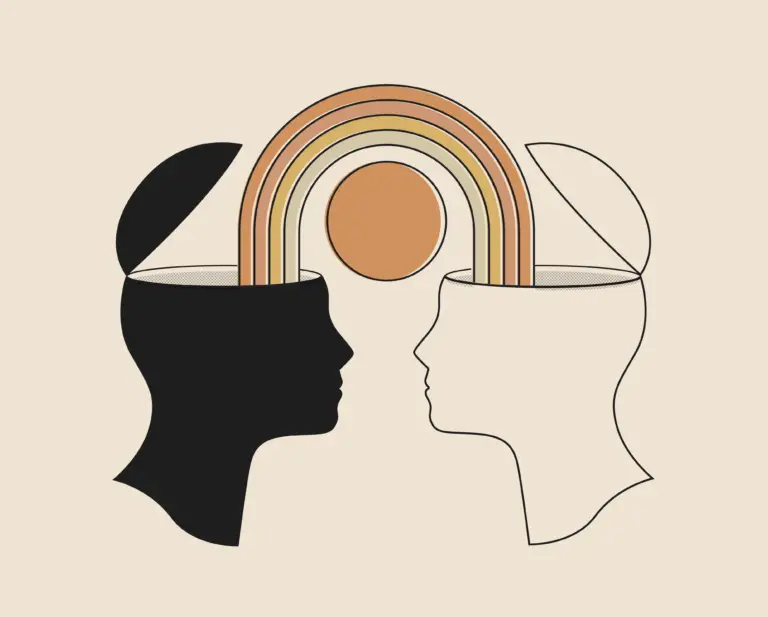
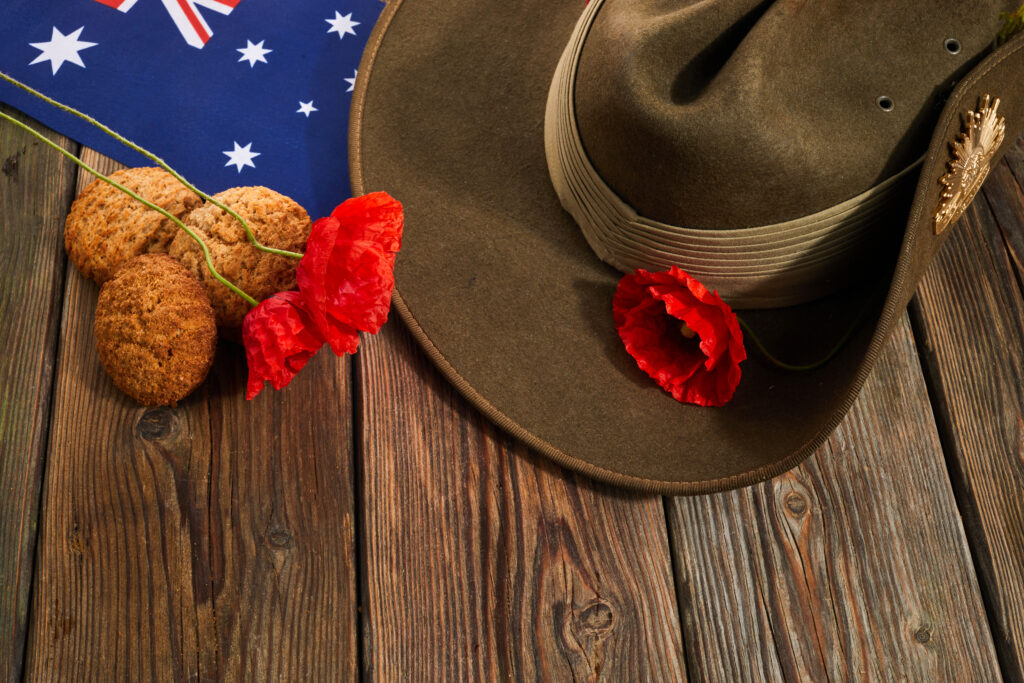
Anzac Day operates as a cultural ritual shaped by shared memory, symbolism, and repetition, rather than solely as a military or political event. Its meaning is often understood differently depending on lived experience, but its continuity reflects a broader role in how societies recognise sacrifice, process loss, and create a sense of collective belonging.
The Indigenous reindeer-herding Sámi people of Finland probably think Anzac Day is pretty strange. Maybe so do the Amish, the Maasai, and Tibetan nomads, should any of these diverse cultural groups be lucky enough to catch a dawn service or CBD parade.
And who could blame them, honestly?
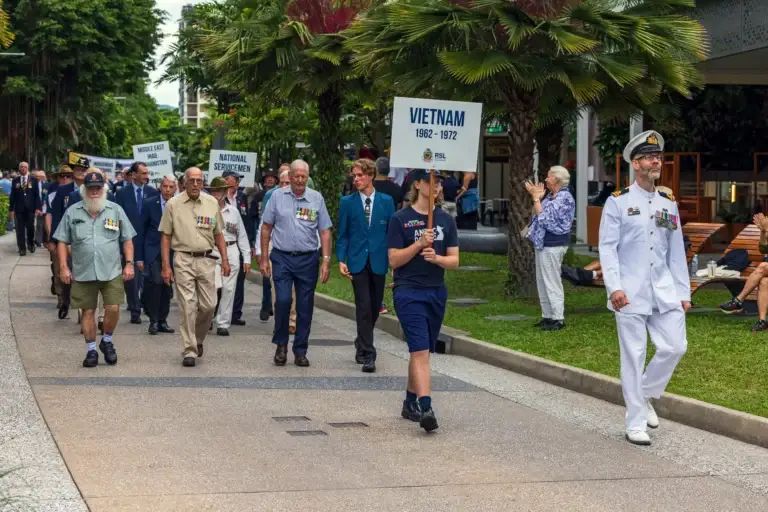
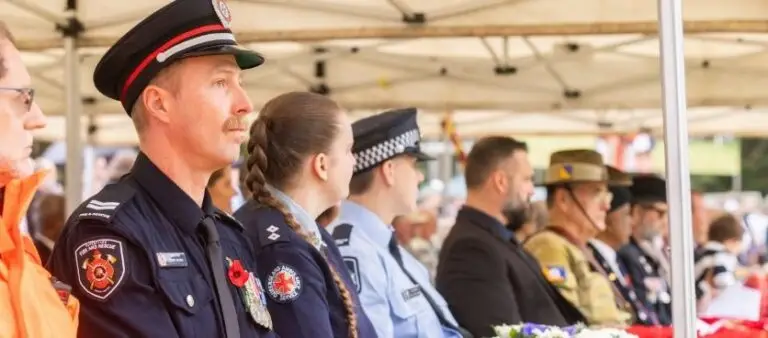
Marching. Medals. Silence. Gunfire breakfast. A bugle echoing in the pre-dawn dark. Men and women standing motionless in the cold, eyes fixed forward, lips tight.
It’s not your typical Friday sunrise.
Like all culture, if you’re in it, it feels normal. If you’re outside it, it can look alien, confusing, confronting even. That doesn’t make you wrong. It makes you human.
And that’s why it matters to see Anzac Day not as a political day or a military day, but as what it actually is: a cultural ritual where memory outlives explanation.
Not a parade. Not a protest. A cultural rhythm built from reverence, routine, and something that people from most cultures struggle to name but know how to feel.
It’s not meant to be thrilling. It’s meant to be still. And that stillness can be powerful, especially when you realise it’s not just silence that’s going on. It’s a memory. Lest we forget.
Some people grow up steeped in it. They remember RSL breakfasts, poppies pinned to school jumpers, and could hum the tune of The Last Post before they understood what any of it meant.
For others – newer Australians, curious observers, or the just plain disengaged – it might look more like performance art with medals and melancholy. But it isn’t performance. It isn’t rehearsed, it’s remembered.
That’s why it’s so important to explain what’s happening on 25 April each year. It isn’t theatre. It’s ritual. Cultural ritual.
And as a society, we’ve become pretty good at recognising this when we see it in other people’s traditions. We pause respectfully during a Welcome to Country. We grant space for a Hindu cremation on a beach. We might not understand every symbol and meaning of cultural tradition, but we understand it matters.
Anzac Day sits in that same register.
It doesn’t need agreement or demand ideology. Maybe it asks to be held with reverence.
Like all cultural traditions, it survives not because it’s mandated, but because people keep showing up.
Some say it glorifies war.
But listen – really listen – to the day. The Last Post doesn’t cheer, it mourns. The silence isn’t triumphant, it’s heavy with the cost of conflict – not just the fallen, but the wounded, the haunted, the overlooked.
It’s no more a celebration of war than a wake is a celebration of death.
Others call it militaristic or nationalistic. That’s understandable. There’s marching, medals, and people in certain types of dress. But is that so different from the haka? Or the Highland Games? Or Chinese New Year’s dragon dances? All of them draw from martial roots. But we don’t see them as violent. We see them as vibrant and alive.
And yes, Anzac Day gets politicised sometimes. So do Diwali, Bastille Day, and Waitangi Day. That doesn’t make them political days. It just means they matter deeply enough to stir passionate views, and people can get pretty passionate these days.
So, reduce Anzac Day to a military event and it ends up scrutinised under a lens that misses literally everything else, the memory, the meaning, the human cadence that surrounds it.
Reduce it to politics and it gets ripped in half.
Traditions are held together by memory, not mandate.
And traditions don’t grow old. Age does not weary them. They renew each step, each silence, and with every hand on every heart. That’s how they last – not by staying the same, but by staying meaningful.
Think of NAIDOC Week. Or Bastille Day. They’re not simple. They carry complexity. But they endure because they matter to those who live them. Anzac Day is no different.
And here’s the heart of it: Culture is the language of belonging.
You don’t need to be a veteran. Or a history buff. Or born here. You just need to show up – with reverence, curiosity, or even quiet confusion. That’s enough.
For some, Anzac Day is stitched into their story. For others, it might feel like someone else’s memory. That’s okay.
You don’t have to inherit it to honour it. Great culture doesn’t gatekeep. It invites.
So this April 25, come as you are. Stand in the dark with the rest of us.
Hear the bugle.
Feel the stillness.
You might not grasp it all, but you’ll feel what those before us paid to pass down.
It’s not a performance. It’s not a lecture. It’s a ritual. It’s ours. It could be yours.
Everyone’s invited.