Australia’s disaster resilience increasingly depends on the capacity to mobilise skilled personnel quickly when communities are affected by floods, fires and other emergencies. As demand for disaster response grows and traditional volunteer bases come under pressure, questions about how government funding decisions affect frontline capability, veteran employment pathways, and national preparedness have implications that extend well beyond a single organisation or grant program.
The federal government’s freeze of millions in funding to Disaster Relief Australia over allegations of fraud that were later not substantiated has raised fresh questions about the decision that preceded the collapse of the veteran-led disaster response organisation, Senate estimates has heard.
The fallout from the freeze of the $38 million in government funding delivered over four years is now being felt beyond Canberra and into the veteran community and regional Australia, which is often the hardest hit by natural disasters.
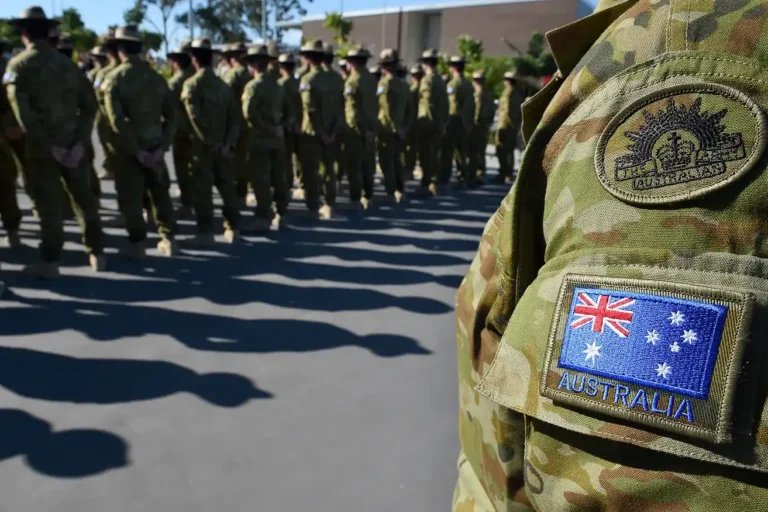
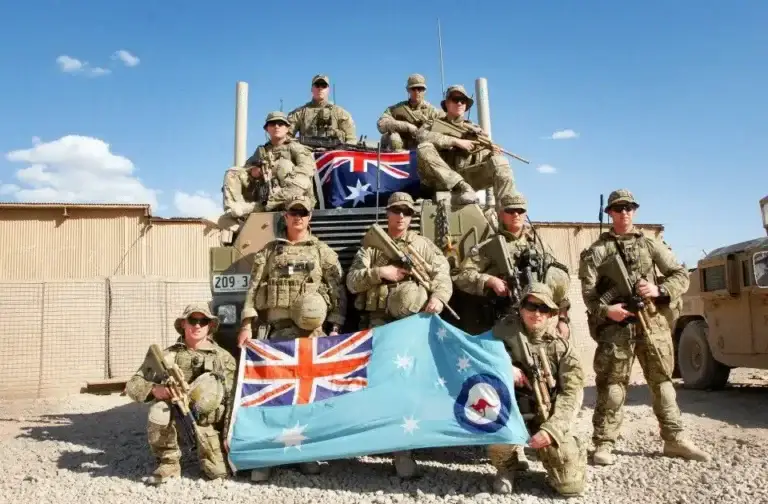
Prior to its dissolution on 30 May 2026, Disaster Relief Australia (DRA) relied heavily on veteran volunteers who were often deployed into some of Australia’s most dangerous and remote disaster zones. The cessation of those deployments, which provided a sense of purpose, removes one of the few national pathways for veterans to apply their disaster-response skills in civilian operations. Those veterans were left in limbo earlier this year as payments were withheld, even as the nation faces a growing shortfall in frontline disaster capability driven by an ageing volunteer base and increasing demand.
A review by global advisory firm Deloitte, commissioned under the direction of the National Emergency Management Agency (NEMA), found in its report that it could not substantiate allegations of fraud, corruption or misuse of grant funding, despite those concerns triggering the suspension of a key government payment in March.
NEMA’s Interim Coordinator-General Pat Hetherington, told the committee the Deloitte report, which was handed to the government the day before the estimates hearings, could not substantiate the allegations against DRA.
“They (sic) were allegations of fraud, corruption and misuse of grant funding … The Deloitte report was unable to substantiate the allegations that were made in terms of fraud and misuse of grant funding,” Mr Hetherington said.
When pressed further by Queensland Senator Susan McDonald, officials confirmed the findings extended to grant funding, with NEMA’s Acting Chief Operating Officer Sanandan Dasgupta, concluding there was “insufficient evidence to reach a conclusive finding.”
The evidence sheds new light on the sequence of decisions that saw funding withheld before the investigation had concluded. DRA received written notification that a milestone payment had been withheld on 10 March 2026, with officials confirming the decision was made “on the basis of the allegations of fraud and misuse of funding”.
The investigation itself spanned months, beginning in November 2025 when DRA engaged workplace investigations firm WorkLogic to conduct an inquiry. Interim and supplementary reports were provided to government in February and March, before a separate Deloitte investigation was completed and handed over in May 2026.
Despite the findings, there was no indication at the hearing that funding would be reinstated. Officials did note the grant program had been designed as a terminating measure over four years, with the expectation the organisation would become financially sustainable.
Senator McDonald told the hearing she had been contacted by coordinators during disaster operations who reported that workers were going unpaid, warning that financial pressure could have contributed to the organisation’s collapse.
“That’s how people get into administration—financial difficulties—when they’re not paid properly,” she said.
According to statements on the ASIC website, administrators Fort Restructuring were appointed on 12 March 2026, two days after the federal government withheld payments.
Senator McDonald quizzed NEMA executives if any support or assistance had been offered to the veterans, volunteers and paid staff at Disaster Relief Australia.
“I had calls from some of the coordinators saying that their men were working unpaid because the Commonwealth had not paid them in a timely manner … they’ve been going through considerable stress and anxiety,” Senator McDonald said. “So I hope that as part of this review there is an assessment of whether or not the grants hub, or whichever part of the agency it was, has been properly acting in good faith and paying people as and when they’re due.”
Mr Hetherington explained the government had originally agreed to four years’ worth of funding for DRA, which was set to conclude “this financial year”.
“Part of the process with DRA, and part of the agreement in the grant agreement, was that in that period DRA would become financially sustainable as an organisation, so that was clear at the outset of that,” he said.
Labor’s government representative and former emergency management minister, Senator Jenny McAllister told the committee that DRA had notified the government in 2023 that they’d met that milestone.
“They had established a sustainable funding model, including staffing and financial diversification, to support long-term organisational viability,” she said.
The testimony in estimates highlights a growing tension between process and consequence. The fraud allegations triggered the suspension of funding, however the ensuing investigation did not substantiate those allegations, but by that point, the organisation had entered administration and was later wound up.
Senators acknowledged the contribution of DRA volunteers during the hearing, describing their work as critical in supporting communities affected by disasters.
Senator McDonald said she had sat alongside those DRA volunteers who worked in extreme conditions, camping in hollows in the ground because they were the only people willing to go into those environments.
“The men I’ve met from Disaster Relief, these veterans, have all been extraordinary and willing to work in difficult locations in horrible times with people who are incredibly distressed,” she said.
NEMA officials pointed to broader efforts to strengthen national disaster preparedness, including stockpiles and panel arrangements for emergency response services. However, questions remain about whether those measures could replicate the capability that organisations like DRA provided, particularly in deploying trained personnel at short notice, without diverting Australia’s military away from its core mission of the country’s defence.
A source familiar with the operations said the absence of DRA was already being felt during flooding in Katherine early in 2026, when the Australian Defence Force was deployed due to the reduced civilian surge capability.
Traditional volunteer bases are aging, while extreme weather events are becoming more frequent, and the demand for rapid, scalable response capability continues to grow. DRA had been positioned as one answer to that challenge, drawing on a workforce with both the training and willingness to deploy into difficult environments and its collapse now leaves a gap that has yet to be filled.
The findings of the Deloitte review now place the focus back on the decision-making that led to the funding freeze, and whether that response was proportionate to allegations that were ultimately not substantiated.
As Australia faces another season of heightened disaster risk, the question is no longer just about what happened to Disaster Relief Australia, but what replaces it.