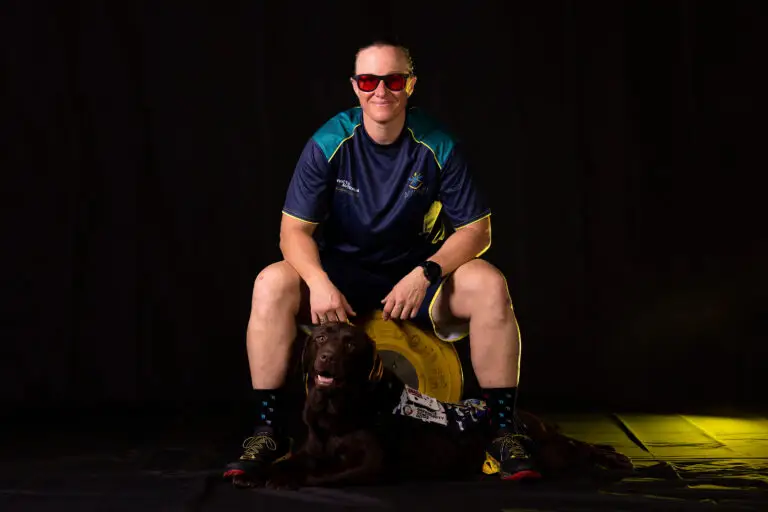
Australia’s veterans’ compensation system exists to support those who have served, but rising commercial interest around publicly funded entitlements is placing renewed pressure on integrity, trust, and accountability. As advocacy, clinical care, and compensation pathways become increasingly complex, veterans may face greater risk from operators whose incentives do not align with their needs. Scrutiny of these practices raises broader questions about how the system protects vulnerable veterans, safeguards public funding, and distinguishes legitimate support from exploitation.
Brown paper bags stuffed with money, manipulation and threats are among the tactics being used to exploit the multi-billion-dollar veterans’ compensation system.
The offers to him have been delivered without ambiguity, propositions that sit outside the structures of a system built to support those who have served and underwritten by Australian taxpayers.
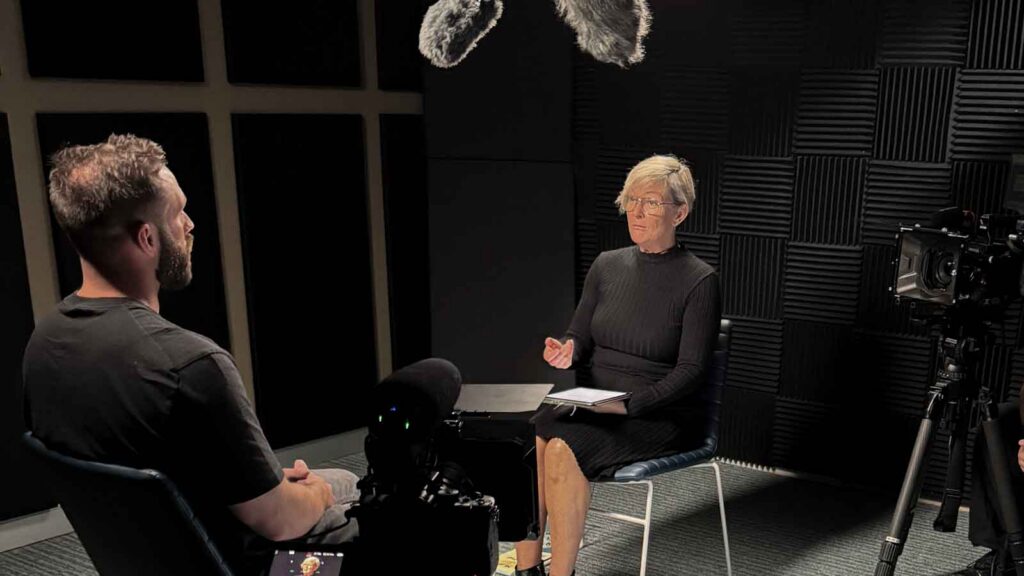
“I’ve been offered $100,000 in a brown paper bag to refer every client,” said CEO and founder of AVAC Services, Kristian Lannu, in a sit-down interview with OpOz.
Lannu leads a veteran advocacy organisation operating at the frontline of the Department of Veterans’ Affairs compensation system, a path shaped not by design but by experience.
The good, the bad, and the ugly
A difficult start in the Army, followed by his work as an advocate for the RSL after discharge, exposed Mr Lannu to the realities of a system that is complex, at times opaque, and deeply challenging for many veterans to navigate. What began as an attempt to understand and assist within that framework evolved into something more deliberate, as he established his own organisation with the intention of guiding veterans through a labyrinthine process that can be overwhelming. He said a friend advised him that he was a good person who cared about people and encouraged him to take the leap to help address the gaps in the system.
“You can put a good person into a broken system, but the broken system will inevitably win most times,” his friend said of DVA. So he leapt at the opportunity. According to Lannu, AVAC Services has led him to do some of the most meaningful work he has done in his life. It has given him the opportunity to support those facing circumstances he understands firsthand. Yet it has also placed him in proximity to a predatory side of the system, where financial incentives, commercial interests and human vulnerability intersect in ways that are not always aligned with the purpose of care.
“I’ve had offers from providers saying, ‘Send them to us and we’ll make sure they get maximum compensation’,” Lannu said. “I said, ‘But you don’t even provide treatment, and not every client is deserving of maximum compensation. Impairment levels differ, so I don’t agree with that, and I’m not here to manipulate the system’. My job’s to advocate, not fabricate.”
Across the past year, he describes repeated approaches from within parts of the broader ecosystem, including clinicians, intermediaries and organisations, seeking to influence referral pathways, shape medical evidence and, in some cases, predetermine compensation outcomes. The behaviour, he said, is not confined to isolated incidents but reflects a pattern that has become increasingly difficult to ignore as the system has grown in scale and visibility.
At its core, the issue speaks to a distortion of incentives within a system where clinical care, compensation and public funding are intertwined. For veterans entering that system, often at a point of vulnerability, the distinction between legitimate advocacy and commercial exploitation is not always clear, particularly when offers are framed as pathways to better outcomes.
“All of that just damages the ecosystem that we’re trying to protect,” Lannu said.
As awareness of veteran entitlements has increased, so too has the level of commercial interest surrounding the system, drawing comparisons to other publicly funded schemes where rapid growth has been followed by integrity concerns. Lannu said the veteran space was increasingly being viewed through a similar lens, with some operators identifying opportunities not for care, but to scale their own businesses.
“People have seen the commercial opportunity that is veterans, just like the NDIS,” he said. But Lannu said that his bespoke advocacy business, with a staff of around 20, was always looking for philanthropic opportunities to support the community they advocate for.
“If we’re going to charge veterans (a 6 per cent fee), I think there should be some corporate governance or responsibility to push funds back into the veteran community,” he said. “That’s the methodology I’ve always approached it with. It’s not going into my Ferrari account because I don’t have one. It’s going into the veteran community where it’s somewhat coming out of, so I think we should recycle that.”
A system that forgets to put veterans first
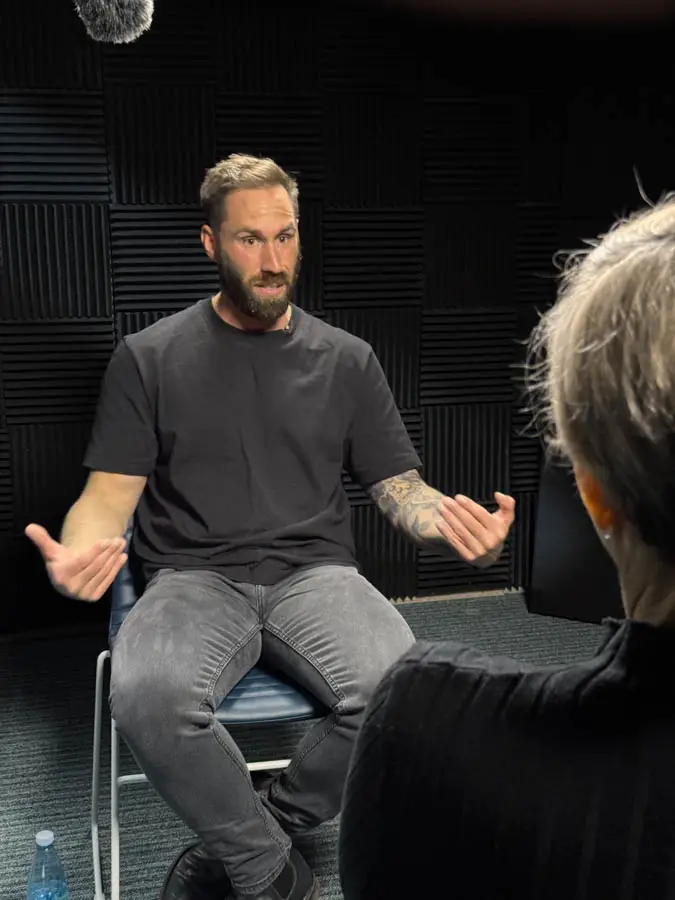
Within that veteran ecosystem, business models have begun to evolve in ways that can blur the line between advocacy and acquisition, with some providers integrating multiple services or establishing referral arrangements that encourage volume and consistency of throughput. In its most concerning form, this can result in clinical inputs designed to achieve a particular outcome, rather than an independent assessment of a veteran’s condition.
In Senate Estimates this year, the Department of Veterans’ Affairs identified the exponential rise of these entities over the past couple of years, which coincided with the conclusion of the Royal Commission into Defence and Veteran Suicide. For veterans entering the system, these risks are not always apparent due to the complexity of contracts, unclear obligations and costly exit fees.
“If you enter into a legally binding contract, there could be termination fees … I’ve seen someone told [to pay] $30,000 to leave after two emails,” Lannu said.
The cumulative effect of those practices, he argues, extends beyond individual cases, and places additional strain on a system that is already under scrutiny. Against that backdrop, Lannu said his own approach had been deliberately structured to sit outside those incentives, rejecting inducements, refusing to inflate claims and, where necessary, turning clients away when their services were not required.
“We turn away more clients than we take on,” he said. “If you don’t need us, we’ll tell you.”
That position is not without consequence, as they operate within a system where integrity concerns are now increasingly coming under the spotlight. He said legitimate providers are often viewed through the same lens as those engaging in misconduct, creating an environment where trust must be established before it is assumed.
“You can feel it in the way you’re treated, like you’re part of the problem before anyone’s even spoken to you,” Lannu said. “We’re getting painted with the same brush, but we all give a shit here and we’re not trying to commit fraud, and I’m sorry that others have.”
For Lannu, the distinction remained clear, even as the environment around him became more complex. The role of an advocate is not to manipulate outcomes, but to guide veterans through a system that is already difficult to navigate, ensuring support is grounded in need rather than opportunity.
“I got into this to help people, I’m not here to manipulate the system,” he said. “I’ve never done this to be a successful businessperson. I’m just here to help veterans, and our strongest referral mechanism isn’t Google Ads, it’s word of mouth.”
In a landscape where financial incentives, regulatory pressure and human vulnerability intersect, he said the challenge is not only identifying misconduct but resisting it and ensuring that the people the system is designed to serve are not the ones who ultimately carry the consequences.