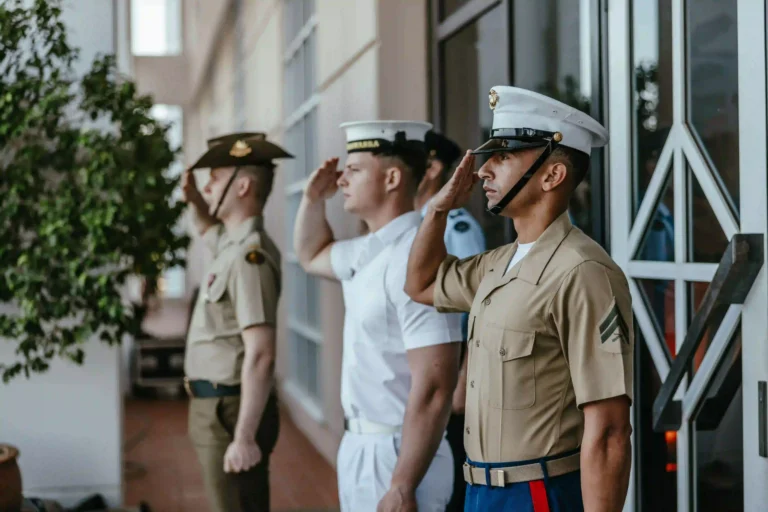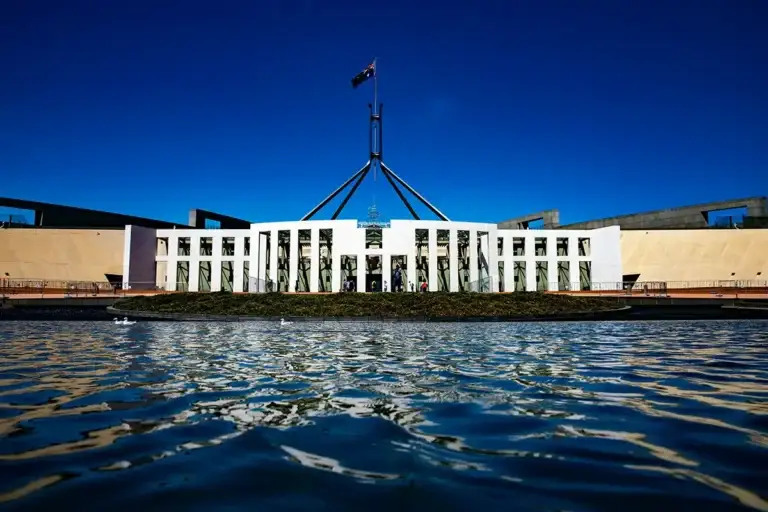
Twenty-five years after the September 11 attacks reshaped global security, their consequences remain embedded in the experience of a generation of veterans and the military institutions they served. As strategic attention shifts from counterinsurgency towards great power competition, reflecting on that period can help Australia understand how past conflicts continue to influence its preparedness for emerging threats.
Twenty-five years ago, the peace of the unipolar moment that was ushered in with the end of the Cold War was shattered. The illusion of invincibility ended as hijacked airliners crashed into the twin towers in New York and the Pentagon in Arlington, Virginia. Islamofascism sought to attack at the very heart of American power and for a moment the world stood still.
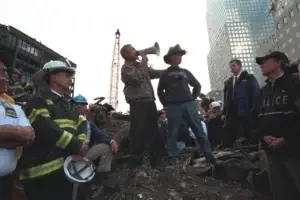
While the scale and consequences of the attacks would become the focus of global attention, the day was first experienced through countless ordinary moments that changed without warning. The United States National Archives captures some personal reflection on the attack on New York in ‘In our New York Office: A day like no other’ that bring this moment back to very human experiences of New Yorkers on this horrible day:
“As I walked down Hudson Street in Greenwich Village around 7:20 Tuesday morning, September 11, 2001, the twin towers of the World Trade Center were clearly visible in the bright morning sun. Although not realizing it at the time, I was seeing them intact for the last time. But I barely noticed them.”
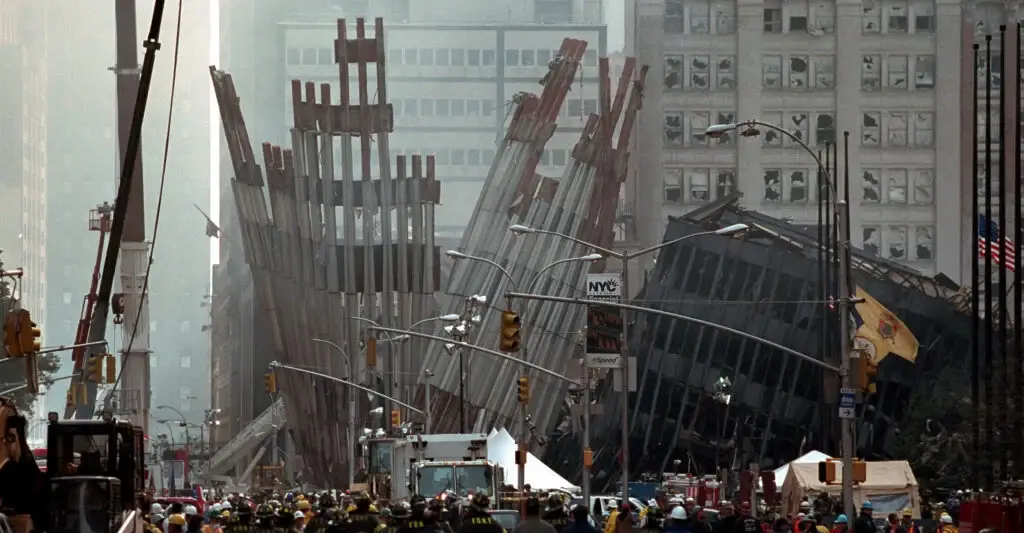
That recollection captures the terrible contrast between the familiar beginning to the day and the horror that followed. At Ground Zero and around the world, people watched in shock, struggling to comprehend what was happening. It was only when the second airliner struck the South Tower that the dreadful truth became apparent. The panic and cascading tragedy unfolded before a global audience through the collapse of the towers, the attack on the Pentagon and the growing sense that retribution was inevitable.
The global war on terror generation
I watched the attack on the twin towers unfold on a little television set in my dorm room at the Australian Defence Force Academy. I had the impression that this event was a pivot point around which my life would manouevre, and for a while this was certainly the case.
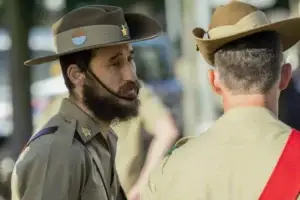
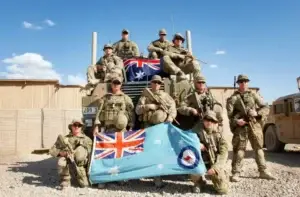
A moment when the world stood still was followed by decades when the West sent a generation of soldiers, sailors and aviators to the Middle East Area of Operations. Wars of retribution were soon launched in Afghanistan and Iraq. This time twenty years ago I was in Iraq, serving as part of Overwatch Battle Group supporting the first province of Iraq returned to Iraqi control.
All gave much, and some gave their all. The Global War on Terror came at an enormous cost in blood and treasure, yet few of its gains have endured. Peace in the Middle East has remained elusive, amid false democratic dawns, failed states, deposed dictators and the rise of Iran as a growing threat to regional stability and the global economy.
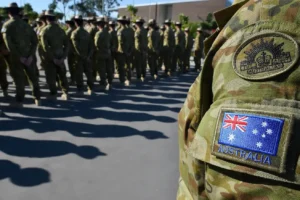
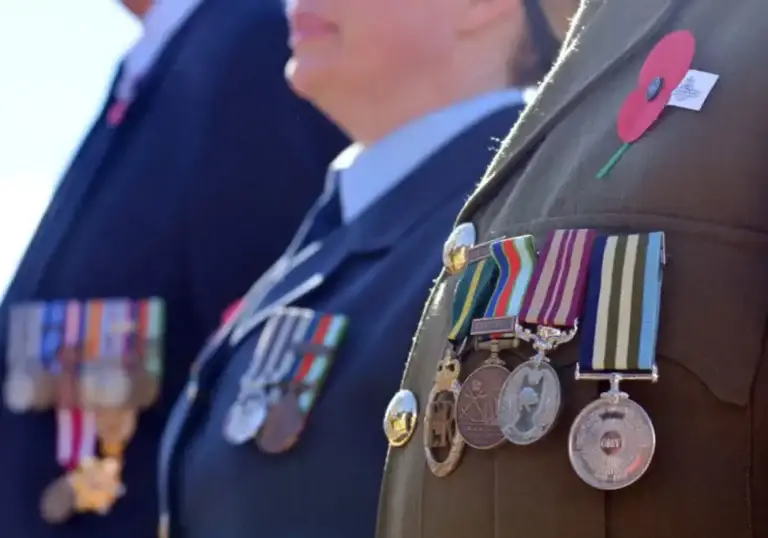
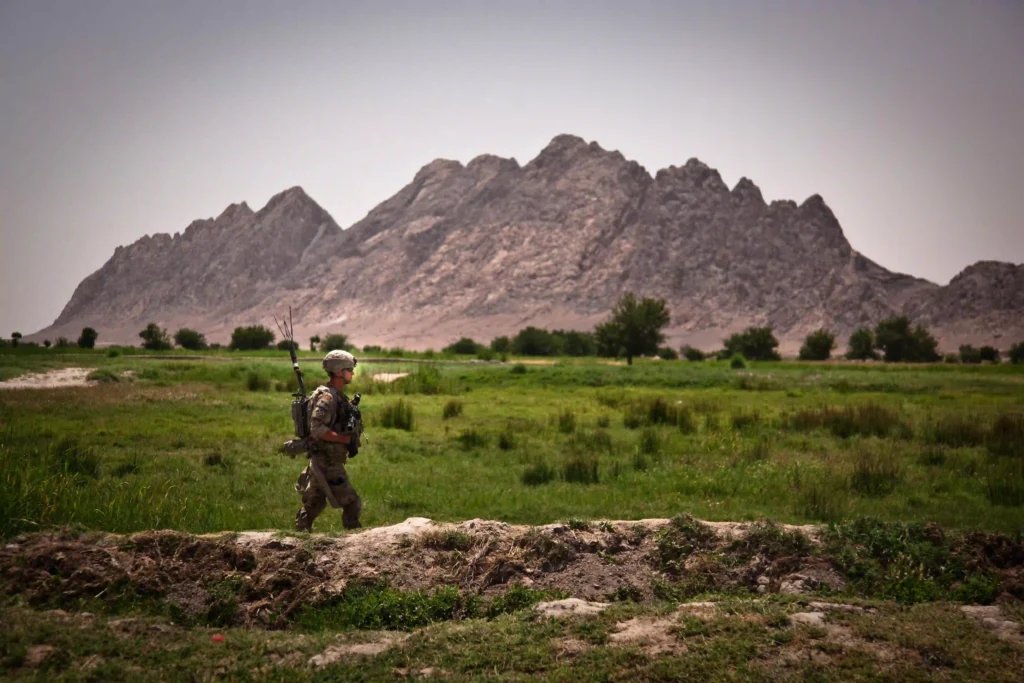
The Forever Wars defined the military experience of the first two decades of the 21st century. Western militaries that participated are still shaped by the long shadow of many years of counter insurgency operations in the Middle East Area of Operations. Force structures, tactics, techniques and procedures evolved through years of patrolling the deserts of Iraq and the foothills of Afghanistan. A generation of veterans now carries both the benefits and the burdens of its operational experience in these wars of choice.
Defining moment or a geopolitical distraction?
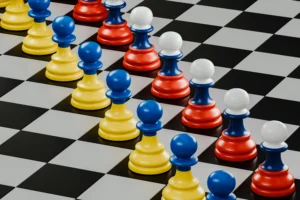
I was at a dinner this week that included Veterans from the United States, the United Kingdom and Australia. Talk turned to September 11, and we reflected that the Global War on Terror and the Middle East Area of Operations moment is likely to be an aberration in the longer history of the 21st century. A distraction from what now appears to be the challenge of our time: can we prevent great power competition and the proxy wars already underway in Ukraine and Iran from cascading into a greater conflict?
While the West focused on waging war in Iraq and Afghanistan, China concentrated on building hard power and converting its inherent size and scale into a manufacturing monolith unlike anything the world had seen. Beijing leveraged the goodwill of the unipolar moment and the Western belief that China was moving towards liberal democracy to rebuild its industrial and military strength in plain sight. While Washington waged war, Beijing built the military scale and capability that have since changed the geopolitical calculus.
As the Global War on Terror gives way to a Second Cold War, the threat of Islamofascism still remains. The October 7 attack by Hamas on Israel unleashed a new stage on Intifada and an Israel determined to degrade and destroy its enemies in the region. The devastating attack on Australia’s Jewish community in Bondi serves as a reminder that the fanaticism that drove the attacks on September 11 remains as a threat to freedom to this day.
A poignant reminder
In an era of short attention spans, it is important to look beyond the noise of the present and consider the broader geopolitical context. This perspective helps explain why we need a military prepared to fight and win future wars, along with renewed national resilience and industrial capacity. It also requires us to acknowledge that the holiday from history is over and the geopolitical risk calculus has changed.
To me September 11 now serves a reminder of a different era. Pax America at its zenith, soon to be drawn into the morass of the Middle East. A reminder the unipolar moment has long since passed, and that while the threat of Islamic terror remains, the challenge of today is to prevent great power competition and the proxy wars already underway from cascading into a greater conflict.
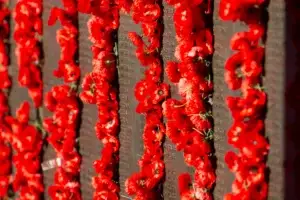
Twenty-five years on ‘the day that will live on in infamy’ remains an incredibly human tragedy. Lest we forget this tragic moment in our past even as we contend with greater challenges in the present.