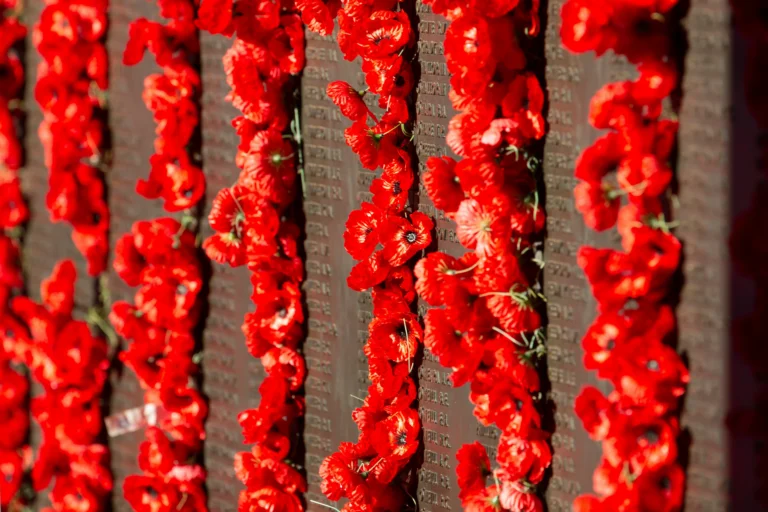
Moral injury reframes the psychological cost of service, shifting focus from fear-based trauma to the lasting impact of actions, inaction, and perceived betrayals that violate deeply held values. First-hand experiences from military and first responder veterans show how these injuries are shaped by both frontline events and organisational decisions and cultural expectations, with implications for how recovery, responsibility, and leadership are understood.
The profound weight of service is rarely measured in the physical scars we carry, but rather in the silent and internal fractures that occur when our deepest sense of right and wrong is violated. These are the injuries that don’t show up on an X-ray, yet they pull at the very fabric of who we are.
Reflecting on my attendance at the 2026 Frontline Mental Health Conference, the shared experiences of those on the edge, from veterans to first responders alike, emerged, not as separate struggles, but as a singular and agonising ache known as moral injury. This ‘wound to the soul’ was brought into sharp focus by presenters like Dean Yates, Dr. Mark Layson, and Nick Bell who dismantled the myth that our suffering is purely a byproduct of fear.
Instead, they revealed that the most enduring injury often stems from lasting harm from transgressions—either by oneself or others—that violate deeply held moral beliefs or ethical codes. For those of us who have stood on the frontlines, this definition resonates with a haunting clarity. It is an injury that takes deep root in the space between our expectations of a just world and the brutal reality of high-stakes service.
Recognising the origins of personal moral injury
My own history as a veteran is marked by these very fractures and moments where the moral order of the world seemed to disintegrate before my eyes. I carry the heavy memory of seeing people being stoned in East Timor while being positioned in a way where I was unable to intervene due to possible cultural differences, and the crushing internal conflict of walking away from a firefight in Afghanistan only to look back and see a village blazed in the distance.
These weren’t just tactical hurdles; they were moments of forced non-intervention in the face of cruelty and the betrayal of what is right by someone in legitimate authority in high-stakes situations. This sense of betrayal is the cornerstone of moral injury, leading to a legacy of profound guilt, shame, and a sense of being ‘soul dead’.
Dean Yates, though speaking from his perspective as a journalist in a war-torn area rather than a soldier, shared a parallel journey regarding the Reuters Baghdad incident. His experience proved that you don’t need to carry a weapon to be shattered by the truth; the realisation that leadership or systems have failed to uphold the right path can turn a traumatic memory into a state of permanent embitterment. When the institutions we trust to provide a moral compass instead point toward deception or indifference, the injury shifts from a personal failure to a systemic one.
Perceived injustices and psychological harm
However, the deepest sting often comes, not from the enemy or the chaos of the field, but from within our own ranks: a form of ‘administrative violence’ that cuts deeper than any battlefield wound. I experienced this firsthand when I was told that I could not attend the Subject 1 Warrant Officer course or be promoted to Warrant Officer, despite having no negative personnel appearance reports and having successfully passed previous courses while carrying the physical and mental weight of my wounds.
To be told you are ‘not fit’ for the natural progression of a career you’ve bled for, only to have that followed immediately by a medical signal for discharge, feels like a total erasure of your service and sacrifice. It is a staggering perceived injustice that shatters the psychological contract between a professional and their organisation. When you prove your competence despite your injuries, yet the system chooses to discard you rather than promote your resilience, the message is clear: the brand is prioritised over the person.
This parallel is felt deeply by first responders who navigate similar waters of organisational betrayal. Emergency manager Dr. Mark Layson highlighted how first responders feel this same abandonment when their organisations demand total commitment but offer bureaucratic self-protection in return.
Whether it’s a fire officer navigating a fatal scene or a nurse struggling within a broken health system, the injury is exacerbated by a macho hero culture that demands silence and views vulnerability as a betrayal of professional identity. This culture creates an environment where individuals feel they must hide their nightmares, flashbacks, and emotional and spiritual suffering, leading to a state of functional impairment that the medical system often fails to acknowledge in its purely clinical approach to PTSD. We are told we are ‘broken’ by the medical system and / or our Chain-of-Command (CoC), yet the system refuses to see that the break was caused by its own lack of support and ethical consistency.
The common ground deepens when I reflect on the concept of vicarious trauma, which Nick Bell, a former Watch Commander in the NT Fire & Rescue Service, identified as the emotional, cognitive, and physical strain resulting from indirect exposure to others’ trauma. He shared that uniforms and rank do not protect us from the reality that witnessing the suffering of others inevitably shifts our worldview.
This shift is not a sign of weakness; it is the price of empathy. The struggle lies in the intellectual dishonesty we practice when we tell ourselves we should have been able to change an outcome that was beyond our control. Bell’s insights suggest that the weight we carry is a cost of doing what we do; however, when this price is paid without a corresponding return on investment—such as when you receive a discharge notice instead of a promotion and respect—it can lead to a corrosive sense of hopelessness.
Shared experiences and breaking the isolation
Yet, there is a path toward healing that is as shared as the injury itself. The conference emphasised that the first step is realising shared experiences with others, breaking the isolation that ‘administrative violence’ creates. By moving past the ‘intellectual dishonesty’ of our roles, we can begin rescripting our own narrative. We are more than the rank we were denied; we are more than a medical discharge code.
Healing requires ritual and symbolic ceremonies to address the soul wound, acknowledging that the recovery of trust in ourselves and in the concept of authority is a journey that cannot be rushed. It requires us to move from a place of victimhood to one of agency, where we recognise that our intent remained honourable even when the system’s actions were not.
Ultimately, the goal is to transform these soul wounds into a unique qualification for leadership. By embracing the discomfort experienced, we become more empathetic and effective in helping others navigate their own darkness.
We must not squander the opportunity that vicarious trauma and even organisational betrayal have gifted us. Instead, we must use our voices to push back against the systems that fail us and demand a ‘just culture’ that values the human being behind the uniform.
As Dr. Layson argued, nothing gets better if we don’t challenge the status quo. We find a collective strength in our shared struggle, proving that, while the cost of caring and the sting of betrayal are high, our capacity to heal and lead through that pain is even higher. We are not defined by the promotions we were denied or the papers that discharged us, but by the courage we find to rebuild a world rooted in truth, integrity, and mutual support.