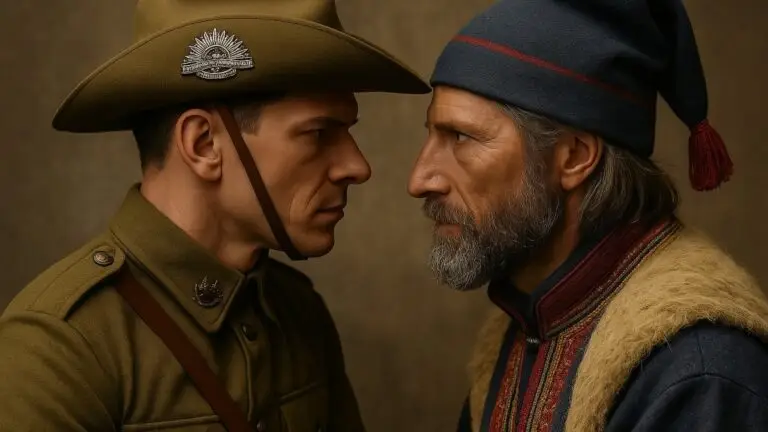
Long periods of stability can obscure the conditions that sustain national security, particularly as collective memory of conflict and sacrifice recedes over time. In more uncertain global environments, this reframes the role of individual responsibility, social cohesion, and shared values in maintaining a resilient and unified society.
How do we protect something deeply precious to us when we do not realise exactly how precious it is until it is gone?
When a country has enjoyed peace for many decades, it is easy to become complacent about it.
John Gorton foresaw this dilemma as early as 1946, when he addressed an RSL club in Kerang on Australia’s post-war future.
Gorton served in World War II himself as a fighter pilot, and over two decades later became Australia’s 19th prime minister, serving from 1968 to 1971.
Gorton knew that citizens’ desire to unify and build a better country would eventually evaporate as memories of the war – and others’ terrible sacrifices – faded.
He was a hard-bitten politician, one of the toughest and most controversial of the post-war era. But he also possessed great kindness and empathy, perhaps because he himself had witnessed tremendous suffering during the war. As a fighter pilot, he experienced personal peril on many occasions and saw friends killed.
In brief but powerful remarks, he urged his listeners to retain a belief in the power of the individual in a free society:
‘What can we do? Individually, it may not be much. But we can at least think on the problems which are in front of us, and be ready to act on our thoughts if the opportunity arises. We can practise tolerance and understanding. And we can be ready always to defend against attacks, either from within or without, the political freedom, the measure of freedom which we already have.’
Gorton also knew that protecting hard-won gains and guarding against complacency do not come naturally to human beings.
He addressed his audience frankly on this point:
‘It will be hard. Without the spur and urgency of a war, it will mean a constant effort from all of us. But I am going to call on your imaginations.’
Sadly, the natural state of world affairs is not peace, but a terrible propensity for conflict.
Consequently, as Gorton well expressed, individuals must consciously make the decision to both protect that peace and harness its benefits.
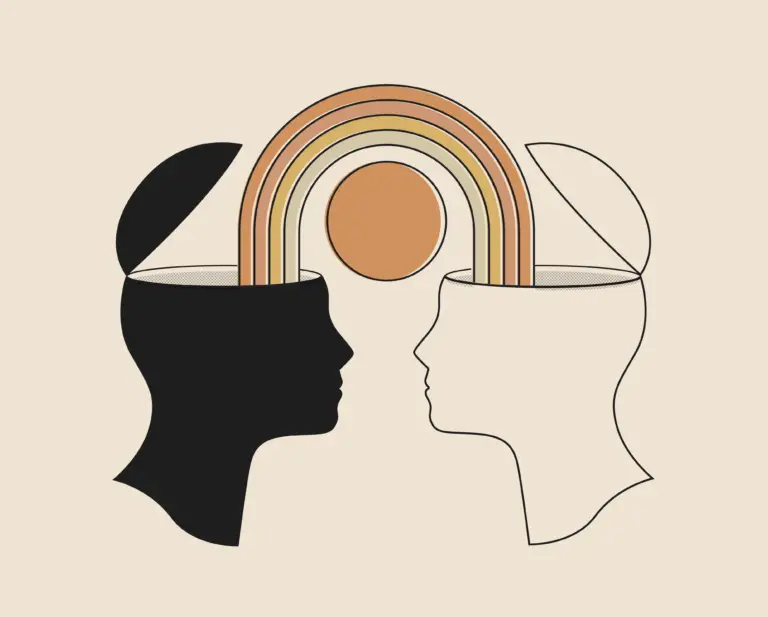
This desire for peace and unity has to begin firstly within us as individual citizens, and then expanded further out into our workplaces and communities. Without those two things occurring, there is less likely to be strong national leadership on defence and security. Because, if you do not know what your values are, then how can you decide when and how to defend those values?
Some people may even take the security and freedom of their country for granted and make poor decisions as a result.
Certain activists create unnecessary and harmful division within society because they feel comfortable that their society is strong enough to withstand internal division. Such groups are reckless. They do not take into account that ugly actions and rhetoric will ultimately make a nation weaker in the face of an external threat.
Today, we live in a world that is more troubled and dangerous than even a decade ago.
In this environment, it is useful to reflect on Gorton’s core point: that doing good in a peaceful country requires the constant exercise of imagination.
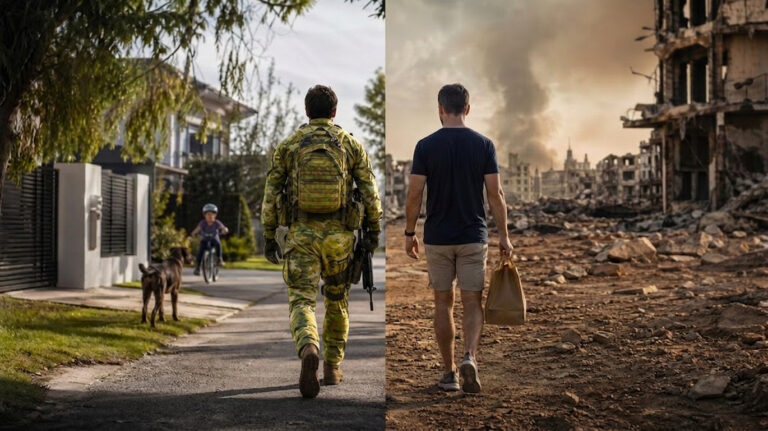
We need to wonder what life would be like had peace never been won for our country.
The more we reflect on this point, the more perhaps we will realise the importance of unity on the things that matter most, and peaceful and respectful disagreement on the things that are still important, but do not matter quite as much.
First published on LinkedIn: https://www.linkedin.com/pulse/complacency-peace-dangerous-everyone-margaret-joseph-ktakc/?trackingId=JpCJRrk4QDK24HeAm5nbcg%3D%3D