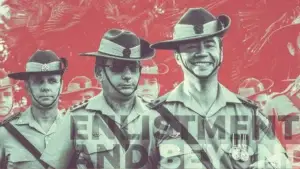
Emergency service careers can shape identity, relationships and behaviour in ways that extend well beyond the workplace, making transition an important consideration throughout a person’s service. Retirement, resignation, injury and changes in operational capacity can all alter the structures, connections and sense of purpose that develop over years in uniform. Building relationships, interests and a sense of identity beyond the role can help emergency workers prepare for these changes, while stronger organisational and peer support can provide continuity as they move into the next stage of their lives.
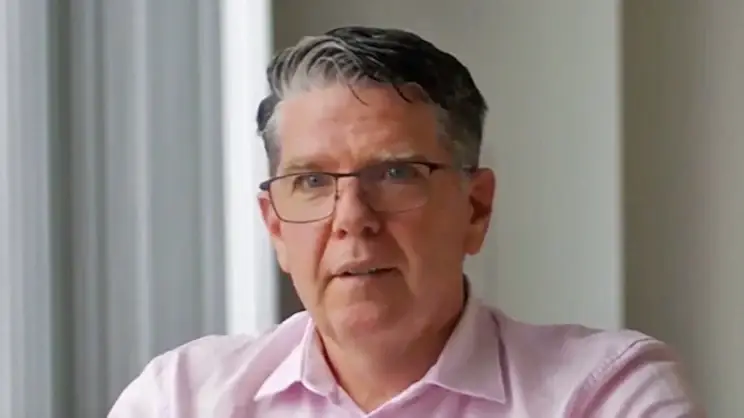
Every emergency service career eventually involves transition. It may come through retirement or resignation, but it can also happen much earlier through injury, a return to work, a change in role or a move between workplaces. For Tim Peck, Co-Director of Responder Assist, the Centre of Excellence for Emergency Worker Mental Health at Phoenix Australia, these transitions deserve far more attention throughout a person’s working life.
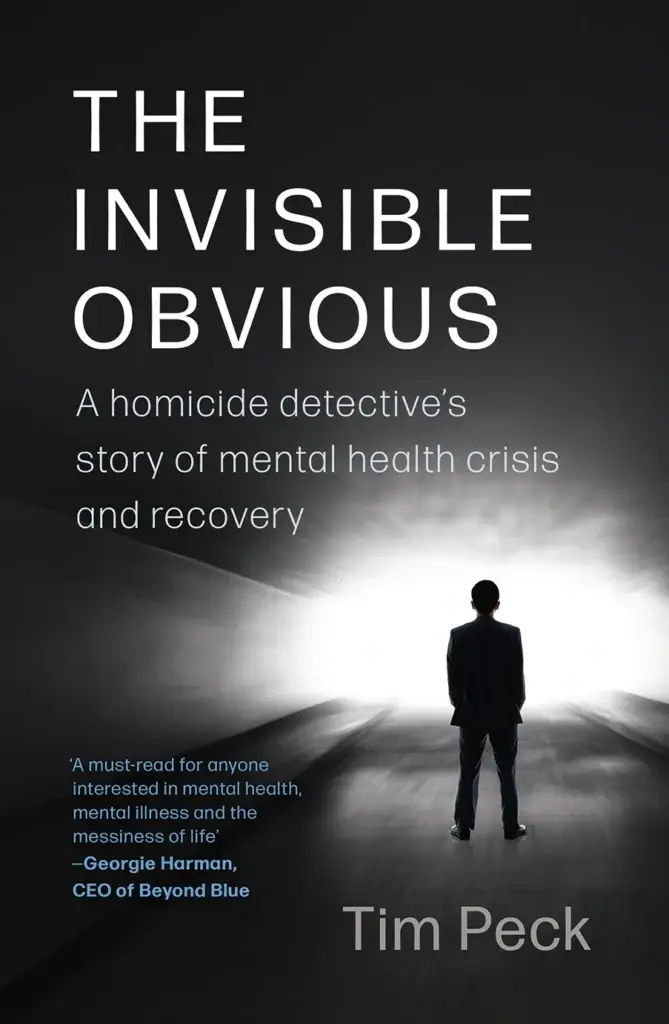
Peck spent 21 years with Victoria Police before working for almost five years with The Police Association Victoria, where he supported members leaving policing. His understanding of transition also comes from managing his own mental health and helping others navigate what can become one of the most difficult periods of an emergency service career. Across a decade of this work, he has seen the same patterns repeatedly: people often invest heavily in their operational career while giving relatively little thought to who they will be when that career changes or ends.
“Every member will eventually transition,” Peck says. “The question is how well prepared they are when it happens. We tend to think about transition when somebody is approaching the end of their career, but preparation should begin much earlier.”
That preparation involves understanding how deeply emergency service work can shape identity. Operational environments reward behaviours that help people perform safely and effectively under pressure, from vigilance and decisiveness to emotional control and an ability to constantly assess risk. Over years of service, those behaviours can become embedded in the way someone relates to their family, friends and the wider world.
Peck saw that change in himself. The person who joined Victoria Police in his twenties was very different from the detective senior sergeant who eventually left after working in high-risk areas including homicide, organised crime and human source management. The vigilance required to protect himself and his family became part of everyday life, while hobbies and friendships outside policing gradually diminished.
“My role shaped my identity, my relationships and the way I saw the world,” he says. “The things I needed operationally followed me home. Over time, the job can become such a large part of who you are that separating the two becomes very difficult.”
Preparing for the connections that change
The consequences become particularly visible when service ends unexpectedly. Peck’s own departure from Victoria Police came during a severe mental health crisis. He went from a working life filled with constant phone calls, emails, decisions and operational information to an abrupt absence of those responsibilities. The organisation continued, while he was left trying to understand what his life looked like without the role that had occupied so much of it.
That experience has shaped the way he thinks about connection after service. Former members can feel abandoned when contact from colleagues begins to fall away, yet serving personnel are often absorbed by the demands of their current teams, cases and responsibilities. Peck argues that maintaining relationships therefore requires some preparation and shared responsibility, including conversations before someone leaves about how they would like colleagues and leaders to remain in contact.
“People sometimes say, ‘Nobody called me after I left,’ and I understand that feeling because I had it myself,” he says. “But I also ask people how many former members they called while they were still serving. Life inside the organisation keeps moving. We need to think intentionally about the connections we want to maintain and how we are going to maintain them.”
Leaders have an important role in preparing people for change, although Peck believes they also need greater support to do it well. Emergency service leaders are responsible for operational performance while managing the welfare of people working in demanding environments. They may need to discuss an employee’s future at precisely the point when that person is injured, uncertain about returning to work or fearful that the organisation is trying to move them on.
A conversation about whether someone can safely and meaningfully return to their previous role can therefore carry significant emotional weight. Leaders need the skills to have those discussions constructively, while recognising that they may also be approaching career transitions of their own and considering questions about identity, finances and life after service.
From separation to continuation
Peck describes transition through three broad stages: leaving the organisation, separation from the structures and relationships that came with it, and continuation into the life that follows. Administrative processes can manage the first stage relatively clearly. The harder questions often emerge afterwards, when former members must navigate financial decisions, compensation or pension systems, employment choices, family relationships and a changing sense of purpose. For people leaving while psychologically unwell, that complexity can arrive when their capacity to manage it is already under strain.
Continuation therefore extends well beyond finding another job. Peck identifies functional, psychological and relational dimensions to the process. People need to manage the practical requirements of everyday life, understand and support their psychological wellbeing, and decide how they want to relate to former colleagues, family, community and the professional identity they are leaving behind.
Connection can take different forms. Some former emergency workers find enormous value in veteran organisations, peer networks and longstanding friendships with colleagues who understand the experience of service. Others want to establish relationships and interests that have little connection to their former profession. Peck sees both paths as valid, provided people continue building relationships and activities that give structure and meaning to life.
That thinking is informing work at Phoenix Australia around lived experience guides. The model aims to provide people navigating separation with independent and confidential guidance from someone who understands the experience, including the motivation required to take practical steps when withdrawal can feel easier. A conversation, a coffee with a former colleague or reconnecting with someone from the job can become part of rebuilding a wider support network.
“The value of lived experience is partly about helping someone move,” Peck says. “When people are struggling, staying at home can be much easier than reaching out. Sometimes the role of a guide is to help someone take that next step and reconnect with the people, services or parts of life that can support them.”
Peck also places responsibility with the individual. Emergency service agencies can improve transition systems, leaders can become better equipped to support difficult conversations, and services can provide guidance, but each person ultimately has to participate in shaping what comes next. Years of service create skills, experience and relationships that can continue to have value long after an operational career ends, although finding where they fit may require deliberate effort.
For Peck, that begins with changing when transition planning starts. Rather than treating it as a conversation for the final years of a career, he believes emergency workers should develop interests, relationships and an understanding of themselves beyond the job throughout their service. High-risk careers can change unexpectedly, while priorities naturally shift as people move through different stages of life.
“Take pride in what you have done and achieved, but also take pride in what you can become,” he says. “The aim is to make the career part of the whole person rather than allowing it to become the whole person.”
Taking service into the next chapter
That approach creates a broader definition of a successful emergency service career. Service includes preparing for change, maintaining relationships beyond the workplace, recognising when a role may need to evolve and building the capacity to move into another phase of life with purpose. Transition becomes part of the career itself, supported throughout service rather than addressed only when the final day arrives.
Peck describes what follows as a continuation of the values that brought many people into emergency services in the first place. The uniform may eventually be handed back, but commitment, experience and a capacity to contribute remain. The next stage can direct those qualities towards family, community and a life that has space for both the person who served and the person they are still becoming.