Physical challenges can provide veterans with purpose, connection and a way to manage the lasting effects of service. Martin’s 300-kilometre march from Holsworthy to Canberra transformed one veteran’s personal endurance test into a shared act of remembrance, drawing veterans, families and regional communities together while creating a foundation for an annual journey ahead of Anzac Day.
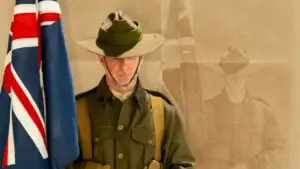
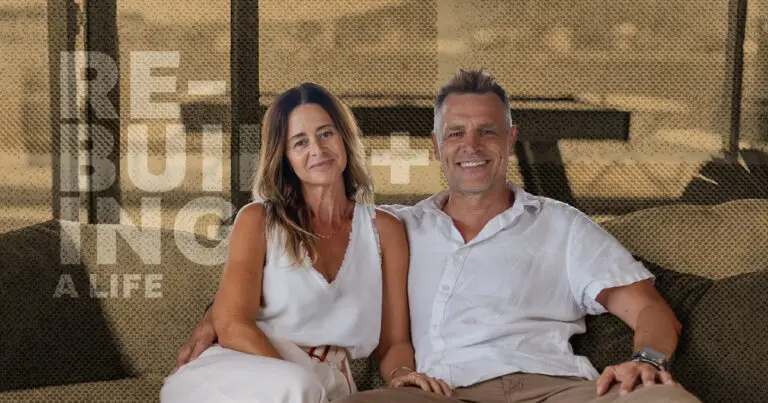
Martin, a 32-year veteran of the ADF, walked from Holsworthy to Canberra in the ten days leading into Anzac Day wearing a full First World War uniform and carrying the identity of the Unknown Veteran. The 300-kilometre march began as a demanding personal challenge linked to a veteran cause and developed into a moving demonstration of how strongly Australians still want to connect with service, sacrifice and one another.
Physical endurance has long been part of how Martin manages post-traumatic stress disorder. Each year, he undertakes a challenge that pushes him to his limits, including Spartan races and ultramarathons. The approach developed after a frightening experience during military treatment.
After almost 12 months on prescription medication, Martin arrived at Holsworthy Barracks one morning and became convinced that he had left his children in the car on a 40-degree day. He called his wife, who reminded him that he had already dropped them at school. The experience led him to stop taking the medication and find another way to manage his symptoms.
“Physical exertion helps me release the pressure I carry,” Martin says. “I need a challenge that demands everything from me and gives me the space to face what is happening in my own head. This march was the biggest challenge I had attempted.”
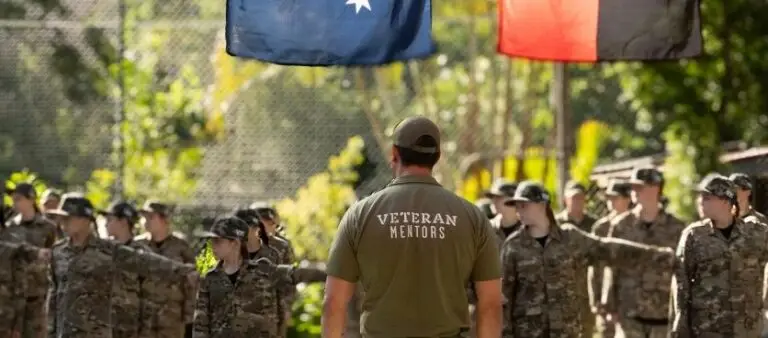
Kelliegh Jackson, founder of Eyes Front and Advocates Online, saw the opportunity to connect Martin’s personal undertaking with a wider purpose. Eyes Front had provided $100,000 to the Salvation Army’s Red Sheild Defence Services after the service lost funding, and the organisation decided to use the march to build awareness of the Sallyman and the support he provides, delivering chaplaincy and connection across the nation.
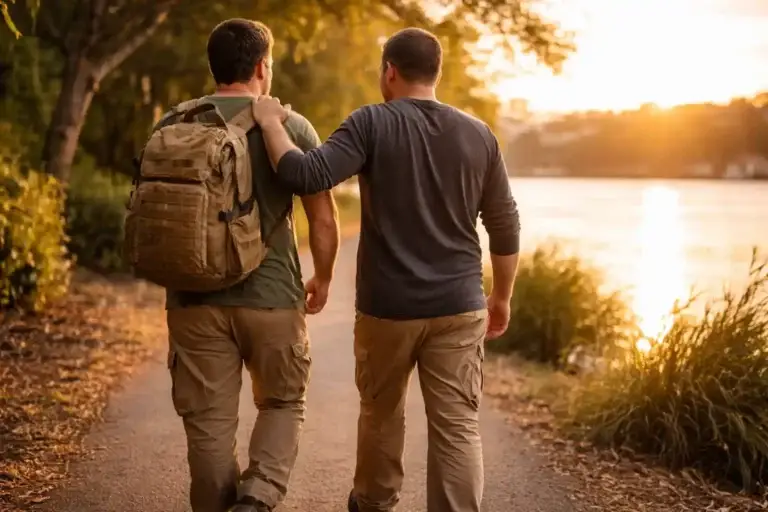
The meaning of the walk continued to develop as preparations progressed. It came to represent the enduring spirit of the Anzacs, the importance of carrying a mate and the need for reflection and healing in the lead-up to commemoration.
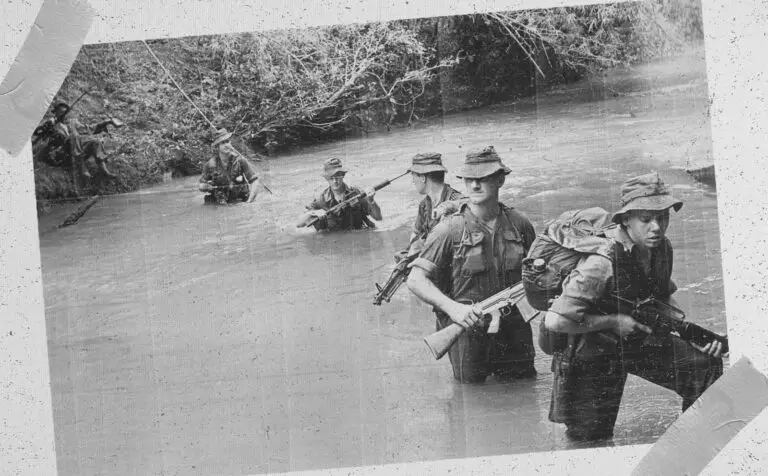
Contemporary veterans can move from an operational environment to home within 24 hours. Earlier generations often spent weeks or months travelling back to Australia, giving them time with the people who had shared the experience. Martin understood the difficulty of that rapid return from his own deployments.
“After one deployment I landed in Sydney after six months away, my wife was waiting at the airport, but part of me was still somewhere else,” Martin says. “A couple of months later, she told me I was physically home but mentally absent. I had not processed the transition and had no idea how to begin.”
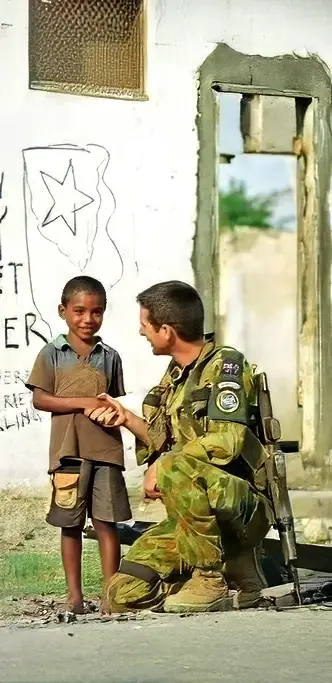
A personal challenge with a wider purpose
The road to Canberra created that space in a different form. Although Martin was the person walking, many of the conversations were led by the people who came to meet him. Veterans shared their service histories, families spoke about parents and grandparents who had served, and civilians discussed their own experiences of pressure, loss and recovery.
A police constable from Goulburn walked with Martin and spoke about the demands of her work. Veterans who had drifted away from formal commemorations and veteran organisations appeared beside the road and spoke openly to a stranger in a First World War uniform.
“The walk gave people a reason to come forward,” Martin says. “Some had lost touch with the veteran community and rarely attended Anzac Day or visited an RSL. They still wanted connection, and meeting us on the road gave them a place to share their story.”
Conversations that emerged along the road
The uniform gave the journey a visible connection to Australia’s military history, although its authenticity also created one of the first physical setbacks. Martin wore First World War-pattern leather-soled boots designed for the terrain of their era. The heat from modern concrete and bitumen melted a small heel fitted to one boot, changed his gait and severely damaged his feet on the first day. He patched the blisters and changed into his old combat boots.
Hydration and nutrition plans also had to be revised during the march, while vehicle fumes and narrow sections of road required close monitoring. The team assessed the route continuously, managed traffic risks and maintained the target of approximately 30 kilometres each day.
Kelliegh remained for the full ten days and became closely involved in helping Martin complete the distance. Each morning followed a familiar service rhythm as the team prepared the uniform and equipment, completed a safety briefing, distributed radios and high-visibility vests and began walking. Breaks, handovers and evening debriefs gave the group a shared routine.
“The march brought back some of the best parts of Defence,” Kelliegh says. “We had a task, a routine and a team looking after one another. There was risk, humour, silence and a strong sense of shared purpose. People who spent time with us could feel that connection.”
Completing 300 kilometres in First World War kit
Veterans’ motorcycle clubs joined the march at different points, meeting the team in towns and leading short processions through local streets. On one arrival, six Harley-Davidsons moved ahead of Martin while Waltzing Matilda played through a motorcycle sound system. The riders managed intersections as the Unknown Soldier entered the town.
A police vehicle passed the group with its lights flashing, initially raising concerns that the procession would be stopped. The sergeant instead drove ahead, blocked the next intersection and helped the group through. Other officers stopped the team on the highway because they wanted to walk beside Martin and take a photograph.
The involvement of the motorcycle clubs also created an enduring connection for the Sallyman. A veteran himself, he later bought a motorcycle, joined one of the clubs and prepared to become its chaplain. The club gave him a source of mateship alongside his responsibility for supporting others, while his presence brought a different form of care and leadership to the riders.
Community engagement continued along the route. A kindergarten group travelled from Goulburn to meet the Unknown Soldier at Kiamma Creek, while country musician Roo Arcus staged an impromptu performance when the march reached Tarago. Residents approached Martin throughout the journey, often greeting him with embraces that conveyed more than a formal exchange could have done.
“I have never been hugged by so many people,” Martin says. “Each town brought its own stories and its own way of welcoming us. The strength of the response showed how much people value the chance to gather around service and community.”
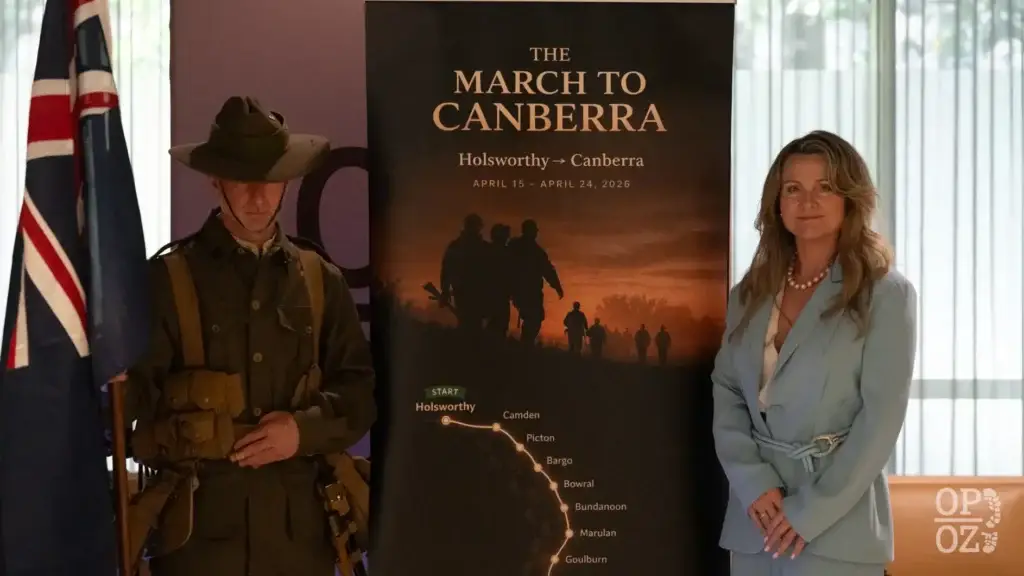
Communities gather around the Unknown Soldier
The next march will retain the route between Holsworthy and Canberra, linking one of Australia’s largest Defence garrisons with the Australian War Memorial and the national centre of commemoration. Its core message and ten-day format will also remain consistent so the event can build a recognisable identity over time.
The experience of the first march has shaped how communities will participate. Open stretches of highway place practical limits on the number of people who can walk safely beside Martin, so organisers are planning controlled routes through each town. A final section, described as the magic mile, will allow residents, veterans and community groups to join the Unknown Soldier as he approaches each destination.
Town routes may also be mapped through local streets, extending the time the march spends within each community and creating places where schools, families and organisations can gather. A tracking program is being developed so people can follow the march, see its location and plan where they would like to meet it. Motorcycle clubs and other groups will continue to have a place alongside the team, while earlier promotion will give communities more time to prepare.
“We learned how to open the march to more people while keeping everyone safe,” Kelliegh says. “The route, the symbolism and the message will remain steady. Each year, more communities can find their own place within it and help the event grow.”
The first journey reached Canberra after ten days and 300 kilometres, having created connections that continued after the walking ended. Veterans found an opportunity to speak, community members shared their family histories, the Sally Man gained a new circle of mates and towns turned out to welcome a figure representing generations of service.
Future marches will build on that foundation through greater community participation rather than a larger physical spectacle. The Unknown Soldier will continue along the same road towards Canberra, carrying a consistent invitation for veterans and civilians to walk together in each town, listen to one another and create space for healing before commemoration.