Workforce participation, youth wellbeing, and veteran transition are often discussed as separate policy challenges, yet they intersect in ways that carry important social and economic implications. As Australia continues to grapple with rising concerns around youth resilience, mental health, leadership development, and community connection, increasing attention is turning to models that create value across multiple groups simultaneously. Social enterprises that combine veteran employment with youth development offer one example of how purpose-driven organisations can address complex challenges through sustainable, community-based solutions rather than relying solely on traditional funding and service delivery models.
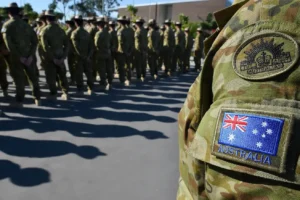
For many veterans, the transition out of service comes with a difficult question: what now? The uniform comes off, the structure changes, and the mission that shaped daily life is suddenly gone. Finding a new purpose can take time. For some, it becomes a search for a new career. For others, it becomes a search for a new way to serve.
For Troy Methorst, co-founder and director of Veteran Mentors, it became both.
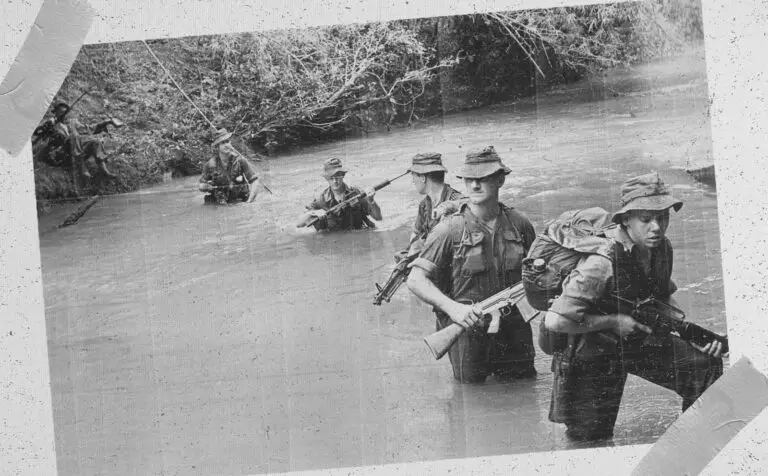
A former combat engineer who deployed to Afghanistan in 2010 and 2011, Troy understands the challenges that can follow military service. After leaving the Defence Force, he found himself struggling with many of the issues familiar to veterans navigating life beyond the military, including questions around mental health, identity and purpose.
“I was just suffering,” he recalls. “There was a lot of despair and pain.”
The turning point came when he began looking inward and doing the work to better understand himself. Through that process, he discovered something many veterans eventually find: purpose often returns when service does.
As opportunities to volunteer began appearing, Troy found himself working with young people through schools and outdoor education programs. What started as a way of giving back quickly revealed a new mission. “I started working with kids and thought, this is really awesome,” he says.
That simple realisation would eventually become Veteran Mentors, a social enterprise that now delivers youth leadership programs across Queensland and New South Wales while providing meaningful employment opportunities for veterans.
Solving a problem worth solving
The idea for Veteran Mentors didn’t emerge from a business plan, but through an observation. While working in outdoor education, Troy spent years watching school groups move through camps and leadership activities. He noticed a pattern. Young people who were supported by strong leaders tended to engage more deeply, learn more effectively and navigate challenges more confidently.
At the same time, he and his future co-founders saw increasing signs that many young people were struggling with confidence, resilience and the courage to step forward as leaders.
“We wanted to make a difference in the future generation,” Troy explains. Together, four veterans decided to create something of their own.
Rather than simply discussing the problem, they invested their own money, registered a company and began building a program designed to help young people develop the skills they believed were increasingly needed. The result was the Junior Leader Program.
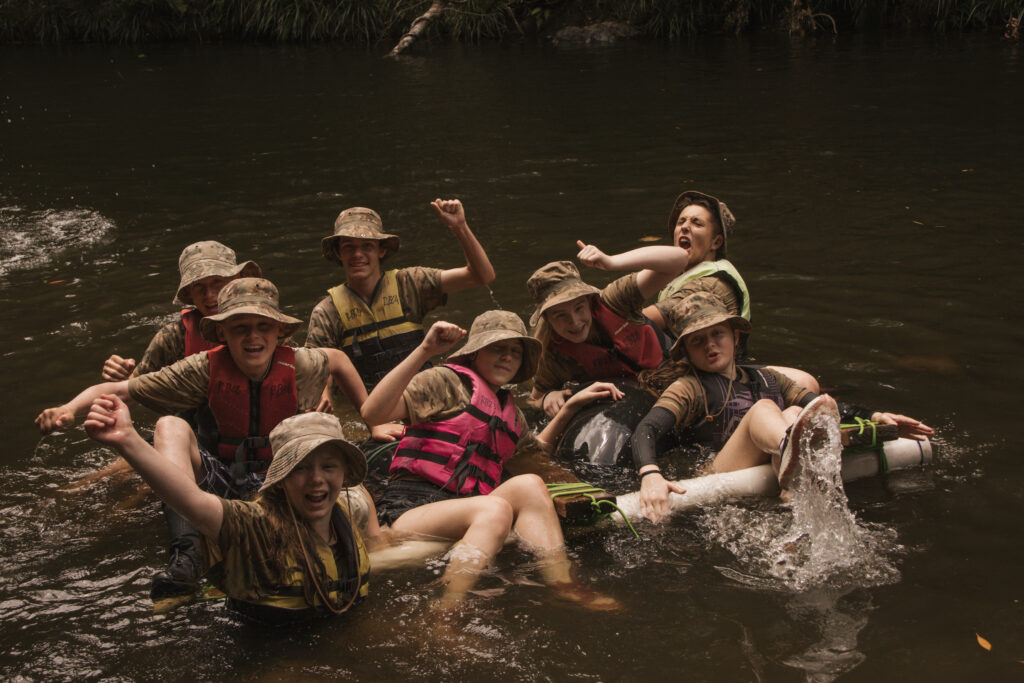
Drawing inspiration from military recruit training, the program condenses many of the principles that shape leadership development into a nine-day experience tailored for teenagers. Participants are challenged physically, mentally and emotionally while learning practical skills in self-discipline, communication, resilience and self-leadership.
The goal is not to create soldiers, but to help young people become stronger, more capable versions of themselves.
“We don’t encourage the kids to join the Defence Force,” Troy says. “We encourage them to find their own target and move towards it.”
The families behind the statistics
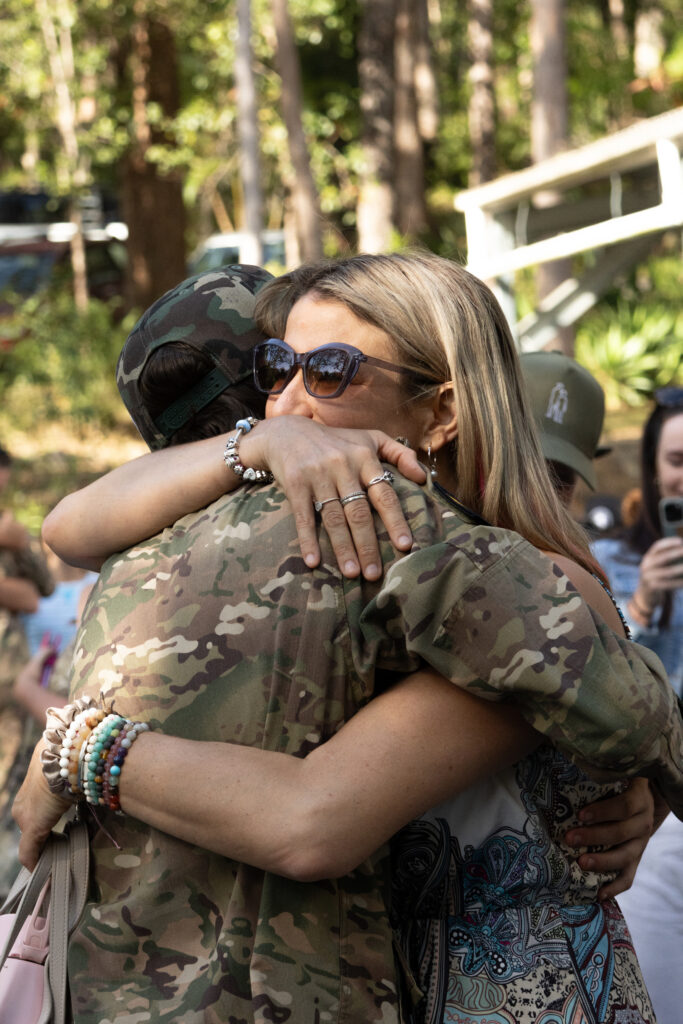
The young people who arrive at Veteran Mentors are not all the same. Some parents enrol their children because they want to build leadership skills, confidence and resilience before challenges emerge. Others arrive looking for support after months or years of struggling with disengagement, behavioural issues, anxiety, family conflict or a growing sense that traditional approaches are no longer working.
Troy says the organisation generally sees three groups of families. There are parents looking for leadership opportunities for their children. There are grandparents and caregivers stepping in to support a young person they care deeply about. And there are overwhelmed parents searching for practical ways to reconnect with a child who is struggling.
“We’re hearing more and more about the challenges kids are facing at school and at home,” he says.
That experience led Veteran Mentors to expand beyond youth programs and develop dedicated workshops for parents. The goal is to strengthen the entire support system around each young person, helping families better understand what their children are experiencing and how they can respond.
The need is clear. Behind every participant is a family trying to navigate increasingly complex challenges, often while balancing work, financial pressures and the uncertainty that comes with watching a child lose confidence, motivation or direction.
Why social enterprise instead of charity?
One of the most interesting aspects of the Veteran Mentors story is not the program itself. It’s the business model behind it.
When the founders began discussing how to structure the organisation, they faced a choice that many purpose-driven founders encounter. Should they establish a charity, or should they build a business?
Seeking advice, Troy spoke with a veteran who had extensive experience running not-for-profit organisations. The advice was memorable. Don’t do it.
“He described the constant cycle of fundraising, grant applications, governance requirements and competing stakeholder expectations that often come with charitable organisations,” says Troy. “While the work was impactful, maintaining the funding required to continue delivering it had become a significant burden.”
That conversation helped shape the future of Veteran Mentors, and the founders decided to build a company instead.
Their reasoning was simple. If they could create a valuable service that families were willing to invest in, they could generate the revenue needed to sustain and grow the organisation without becoming dependent on external funding.
Nearly a decade later, that decision continues to influence everything they do. Veteran Mentors remains mission-driven, but it is also commercially sustainable. The organisation employs veterans, invests in program quality and continues expanding its reach without relying solely on donations to survive.
Measuring impact, not just intention
As a social enterprise, Veteran Mentors measures success the same way any high-performing organisation should: by outcomes.
A recent survey of 169 parents found that nine out of ten saw an immediate positive change in their child after attending the program, while nine out of ten reported that some of those improvements continued long after the program had ended. Parents reported increased willingness to take on challenges (89 per cent), higher confidence levels (87 per cent), and lasting improvements in confidence and self-belief (86 per cent). Just as importantly, 82 per cent said they would recommend the program to other families, with 71 per cent saying they would do so without hesitation.
Behind the numbers are stories that speak to the challenges many families are facing. One parent shared that “the program achieved in nine days more than all multidisciplinary therapies combined over six years.” Another wrote, “I don’t think my daughter would be alive today if she did not take part in this programme.” A third reflected, “I was at the point of relinquishing my son to state care. The young man we live with today is pleasant, kind and caring.”
For Troy, these outcomes reinforce the original vision. Veteran Mentors was never created simply to give veterans meaningful employment after service. It was built to solve a real and growing challenge facing young people and their families.
Because not every family is in a position to fund a place on the program themselves. To help ensure young people are not excluded because of financial circumstances, Veteran Mentors also works with sponsors and community partners who fund scholarships for participants who demonstrate commitment to the program but need additional support to attend. The organisation applies a careful selection process, requiring both parent engagement and genuine buy-in from the young person, ensuring sponsorship opportunities are directed where they can have the greatest impact.
Creating purpose for veterans too
While the organisation exists to support young people, its impact extends well beyond the students who attend the programs.
Veteran Mentors has also created a pathway for veterans looking for meaningful work after service.
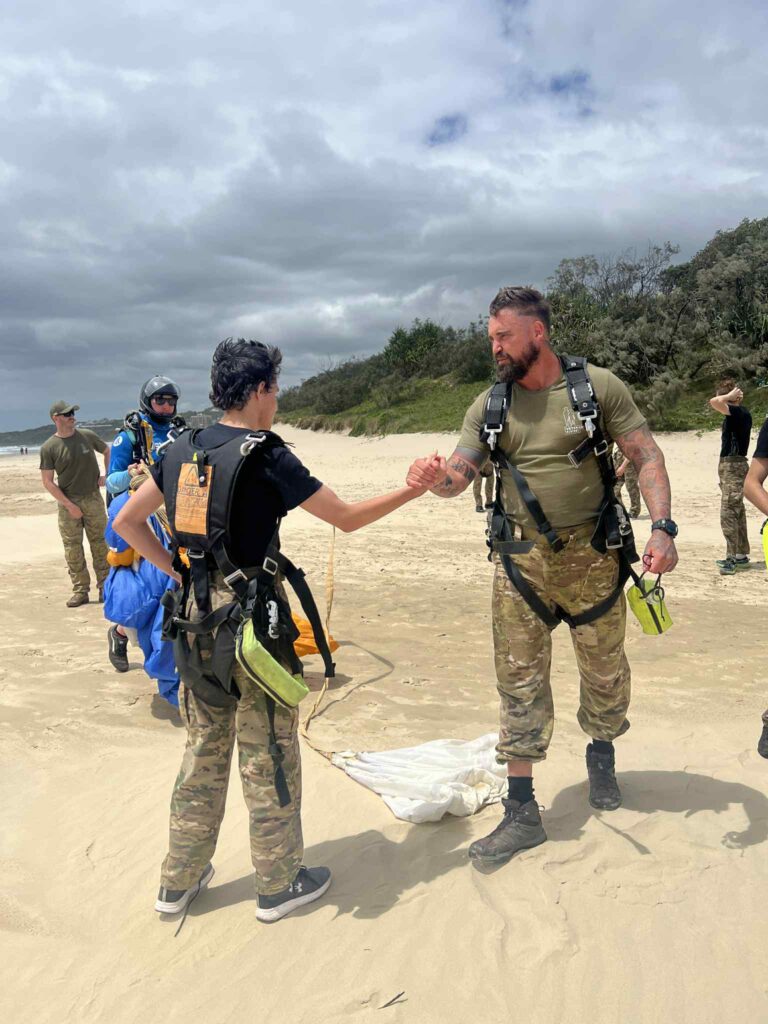
Many of the mentors who work within the organisation are former service personnel. Some deployed alongside Troy, others discovered the organisation through word of mouth or social media and connected with its mission.
Importantly, they are paid for their contribution. Troy says many veterans have offered to volunteer, but that was never the vision. “We value their time and energy,” he says, but our philosophy also isn’t only about supporting kids, but the veterans themselves. Veterans bring significant leadership experience, mentoring capability and life experience. Those skills have value, and creating sustainable opportunities for veterans to continue contributing is part of the mission itself.”
Today, Veteran Mentors engages dozens of veterans across its operations, creating opportunities for them to remain connected to a purpose larger than themselves while helping shape the next generation.
Service takes many forms
The veteran community often speaks about finding a new mission after military service. For Troy, that mission became youth leadership. For others, it may be entirely different.
The lesson from Veteran Mentors is not that every veteran should work with young people. It’s that veterans already possess many of the skills required to solve meaningful problems in their communities, including leadership, resilience, planning, and teamwork.
They possess the hard-won ability to guide others through adversity, and those capabilities don’t disappear when military service ends. In many cases, they simply need a new direction.
Nearly ten years after launching Veteran Mentors, Troy’s journey continues to show what can happen when veterans combine purpose with sustainability. By building a social enterprise rather than a charity, he and his team have created a model that continues serving young Australians while creating opportunities for veterans to keep serving long after they leave the uniform behind.
Sometimes the next mission is not about starting over. It’s about finding a new way to use the skills you already have.