Vietnam Veterans’ Day marks more than Australia’s involvement in a defining conflict; it recognises the lives that continued long after those who served returned home. For many Vietnam veterans, the experiences of war shaped relationships, identity and family life across decades, while limited transition support left much of that adjustment to veterans and their families themselves. Their stories offer an important perspective on the enduring human legacy of service, as well as the role that understanding, connection and communication can play across generations.
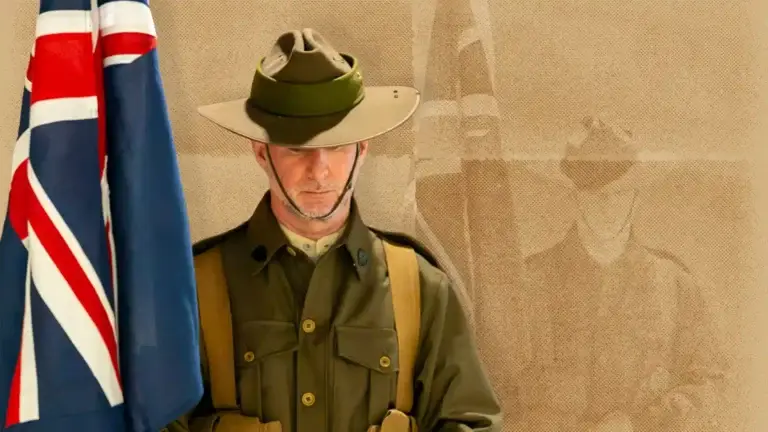
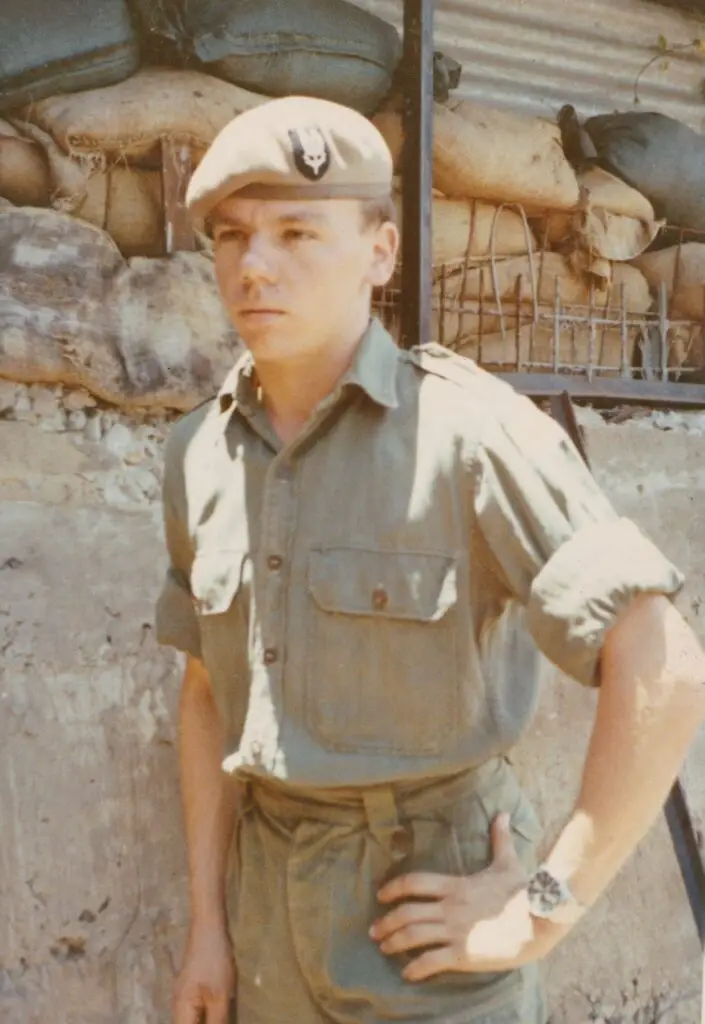
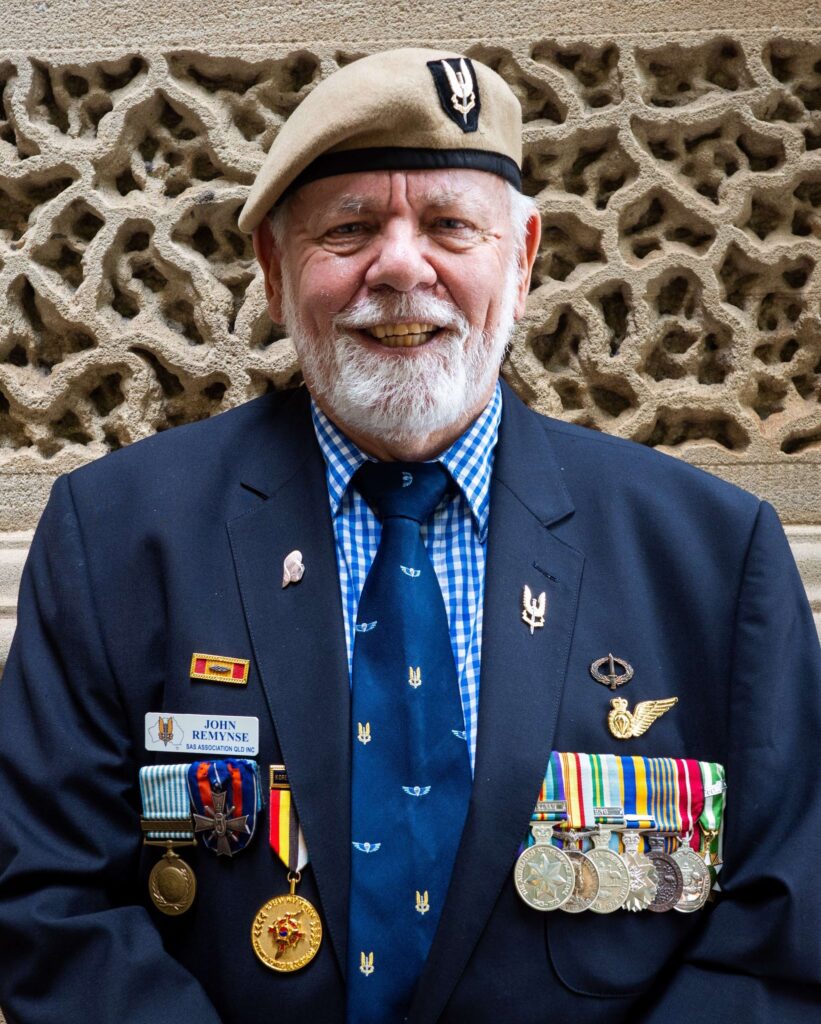
John Remynse was 19 years old when he first went to Vietnam. He had arrived in Australia from Holland only a few years earlier, joining the Army at 18 after deciding factory life held little appeal. His father had served in the Dutch Navy and his parents had spent their teenage years living under German occupation during the Second World War, so stories of war had formed part of John’s understanding of the world long before he experienced one himself.
Nothing in those inherited stories could prepare him for what it meant to become a soldier in wartime while still a teenager.
Vietnam would eventually become two separate chapters of his military life. The first was with an infantry battalion. The second, after considerably more training, was with the Special Air Service. Between them came battles, friends lost, the Tet Offensive, months in the jungle and experiences that would continue to live alongside everything John built afterwards.
Nearly six decades later, he can still be pulled back into a particular day with startling immediacy. During our conversation, John stopped when he realised the date. “I get emotional here,” he said. “It’s 59 years today that I was involved in a battle where six of my mates were killed.” Some dates remain part of the calendar. Others become part of a person.
Going to war at 19
At 19, John was old enough to wear the uniform, carry responsibility and enter combat, yet young enough that most Australians today would still recognise the unfinished edges of adolescence. He was learning adulthood in an environment where consequences could be immediate and permanent.
His first tour exposed him to some of the most intense realities of the conflict. In early 1968, he was in Saigon when the Tet Offensive erupted. What had been expected to be a period of leave became something entirely different as fighting broke out across the city. Aircraft, bombing and gunfire replaced the respite soldiers had anticipated.
Those experiences were layered onto the ordinary intimacy of military life: the people beside you, the jokes, routines and friendships that make a unit a community, and the knowledge that some of those people will disappear from it.
John has had a lifetime to consider what war changes in the people who experience it. “Once you become a soldier and go to war, you have experiences that mean you will never be quite the same person again,” he says. “You grow and change, and for some people the consequences are very severe. We know the stories of people coming home and struggling to reintegrate, struggling with family life, struggling to find their place.” For Australia’s Vietnam veterans, what happened after the fighting became part of the story too.
Two very different journeys home
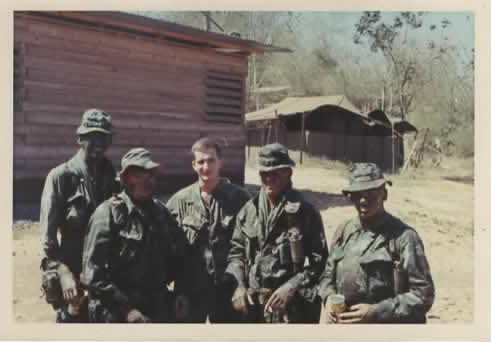
John makes an important distinction when he talks about the veterans of his generation.He was a professional soldier who had volunteered for Army service. Many of the men fighting alongside him were national servicemen whose trajectory into and out of Vietnam was dramatically different.
They had been taken from jobs, families and civilian lives for two years of service. For some, the end came with extraordinary speed. One day they could be operating in the jungle, followed by processing in Saigon, a flight home and discharge in an Australian city shortly afterwards.
Then civilian life resumed, at least in theory. “They were basically cast adrift,” John says. “There wasn’t the support that we would expect today. They received their final pay and were left to find their own way from there.”
John’s experience after his first tour followed another path. Four months after returning, he travelled to Perth and undertook SAS selection. He passed, then spent more than a year preparing for his second Vietnam deployment, including further jungle training in New Guinea. Only much later did he recognise how important that period had been.
The instructors around him were Vietnam veterans. Some of the soldiers training beside him had already completed tours themselves. There was no need to find language for experiences that everyone in the room understood.
“You were amongst people who had been through the same things,” he recalls. “You could talk about it. You could shed a tear. They weren’t going to pity you or tell you they didn’t want to hear it. They understood how you might react because they had their own experiences.”
The training gave John purpose and another deployment to prepare for, but it also gave him something many returning soldiers never received: time among people who understood.
“With hindsight, that was a real saving for me. It gave me time to concentrate on other things and time to reflect. My experience after Vietnam was so much better than it was for many of the national servicemen.”
That difference offers a window into one of the enduring legacies of the Vietnam War in Australia. Service ended, but experience travelled home with the people who had served. And home included families.
When war enters family life
For some Vietnam veterans, memories surfaced through nightmares, anger, withdrawal, hypervigilance or an inability to talk about what had happened. Wives, husbands, partners and children learned to live alongside behaviours whose origins they might not fully understand. In some families, the silence itself became part of the inheritance.
John believes understanding can change that relationship, although he recognises how difficult the conversations can be.
“For children and grandchildren, it’s important to recognise that their father, mother, grandfather, aunt or uncle may have been through experiences that simply don’t exist in normal civilian life,” he says.
His advice is grounded in communication rather than pressure. “Ask questions. Encourage them to explain things if they can. That is easy to say because many veterans don’t want to talk, and that goes right through the history of war. Sometimes reading other people’s accounts can also help families understand what somebody may have experienced.”
John knows silence across generations himself. His parents grew up in wartime Holland, yet many experiences belonging to that generation remained difficult to articulate. His own decision to write came much later in life. Perhaps there are some memories that need decades before words can reach them.
The stories that waited to be written
John began recording his Vietnam experiences in his late 50s, roughly 20 years ago. There was no grand plan for a book. He wrote one story, then might leave the project untouched for a year or two before another memory became something he wanted to capture. Friends encouraged him to keep going.
Eventually, his partner suggested that the collection deserved to become something more substantial. John expanded the stories from his two Vietnam tours and began placing them inside the broader shape of his life, from his parents’ wartime experiences and his military career to the decades he later spent working in management development, consultancy, leadership and expeditions with young people.
Writing offered a way to return to experiences on his own terms. The stories could be examined rather than simply remembered. People could be named. Events could be placed in sequence. Moments that had existed as fragments of memory could become part of a larger life.
John is careful about the responsibility that comes with telling stories of war. “There are people who tell stories that make themselves sound like great heroes, and there are people who tell the truth about what happened,” he says. “Sometimes those stories become very emotional. Sometimes there are tears. For me, there has to be trust and there has to be reality.” His book became a record of that reality, but writing was only one way John returned to Vietnam. Years after the war, he physically went back.
Returning to a country remembered at war
More than 30 years passed before John saw Vietnam again. By then, he was leading groups of British high school students on month-long overseas expeditions combining community projects, trekking and travel. When the opportunity arose to take a group to Vietnam, he accepted immediately.
The purpose helped. John wasn’t returning simply to revisit old battlefields. He had young people to guide, responsibilities to carry and knowledge to share. Even before landing, he could see that the country below him had changed.
Looking down from the aircraft as it followed the Vietnamese coastline towards Hanoi, John saw a landscape strikingly different from the one held in his memory. “There were very few aeroplanes. There were no helicopters and no bomb craters. It was the wet season, and I could see the muddy water flowing out of the rivers into the ocean. It was peaceful and tranquil all the way up the coast.”
Then came Hanoi. For a former Australian soldier, arriving in the capital of the country he had once fought against carried its own emotional weight.
At the hotel, John exchanged a few words in Vietnamese with a young woman working there. Surprised, she asked whether he had visited before. He told her: 1967, 1968 and 1970. She understood immediately what those dates meant.
“She said, ‘You helped the Americans fight my country.’ I said yes. Then she said, ‘The war is finished now. You come as a tourist. You are welcome in my country.’“ What happened next has stayed with John ever since.
A beer with a soldier from the other side
The young woman called for her father. He too had fought in the war, except his war had been experienced from the other side. John remembers the uncertainty of that first moment. Had he said too much? Was his presence going to reopen something painful?
The older man walked to a refrigerator, took out two bottles of beer and handed one to John. Then they talked.
He had travelled along the Ho Chi Minh Trail carrying supplies south through Laos and Cambodia, first on foot and later by truck. He had been bombed and shot at, wounded several times and left with damaged hearing.
“He just wanted to talk to someone from the other side,” John says. “He wanted to be friendly. It was an amazing experience.”
There is enormous complexity inside a meeting like that. Two young men had once occupied opposite sides of the same war, shaped by different countries, governments, histories and obligations. Decades later, they were simply two older men sitting together with memories each knew the other could understand.
John would encounter the other side of the country’s history as well. On another visit, this time in Hoi An in southern Vietnam, a hotel owner’s daughter introduced him to her father, a former officer in the South Vietnamese Army.
A few days later, the man collected John on a motorbike and took him away from the tourist areas, down a side road and through rice paddies to a small restaurant beside a river.
Waiting there were seven or eight older Vietnamese men who had served as officers in the army, navy and air force of South Vietnam. They stood to greet him. “All they wanted to do was shake my hand, talk to me and feed me,” John remembers.
These encounters, in the north and the south, gave John something that history books alone could never offer. They let him meet people who carried the same war from entirely different directions.
People before enemies
War requires people to understand one another through categories: ally, enemy, soldier, civilian, north, south. Peace lets those categories loosen.
John’s return journeys to Vietnam brought him into contact with people whose lives had also been transformed by the conflict, including those who once stood on the opposite side. Their experiences differed, their allegiances differed and their losses belonged to different families, yet ageing created another kind of common ground. The young soldiers were gone.
In their place were older men sitting over meals and beer, able to recognise something of themselves in one another.
John’s experiences in Vietnam since the war resist simple conclusions about forgiveness or reconciliation. They offer something more intimate: evidence that human beings can meet again after history has placed them in opposition.
A woman in Hanoi could hear the dates of John’s first visits to her country and welcome him back. Her father could share a beer with a man who once belonged to the opposing force. Former South Vietnamese officers could take an Australian veteran into a riverside restaurant and greet him as a friend. The past remained true in every one of those encounters. Friendship did not require its erasure.
Carrying the story forward
John turns 79 this year. His life after Vietnam has been long and full: 25 years in the Army, another career in management and leadership development, work with young people across multiple countries, a family, grandchildren, travel and eventually the book that gathered decades of memories into one place.
He also continues to live with what Vietnam gave him and took from him. On a day almost six decades after a battle, six friends can still come immediately to mind. A flight along the Vietnamese coast can still unlock the memory of helicopters and bomb craters. A conversation with an old soldier in Hanoi can still bring tears. Healing, in John’s story, has not required forgetting.
It has involved giving experience somewhere to go, from friendships with people who understood, to conversations with family, into stories written down and eventually into a book. It has meant returning to a country once associated with danger and discovering guides, students, hotel owners, fathers, former soldiers, meals, beer and welcome.
For veterans and their families, John offers a simple invitation to keep reaching for understanding. “Take the opportunities for support that are available,” he says to fellow veterans. “For families, try to understand what your veteran has been through. Read. Ask questions. Talk when they are able to talk. Communication is difficult, but it is so important.”
On Vietnam Veterans’ Day, Australia remembers those who served, those who died and those who came home carrying experiences that would continue long after their uniforms were put away.
John Remynse’s story also leaves room for what can happen afterwards. People can learn to tell the stories that once remained silent. Families can develop a deeper understanding of the experiences that shaped the people they love. Veterans can return to places held for decades in memory and discover them anew.
And two people who might once have met as enemies can, many years later, sit together and talk. The war remains part of their histories. Peace becomes part of them too.