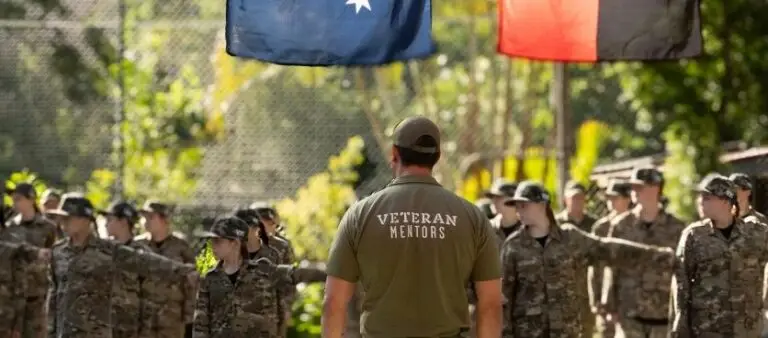
For veterans, first responders and others exposed to trauma through service, recovery can involve confronting changes to identity, purpose and deeply held beliefs alongside the psychological effects of traumatic experiences. Growing recognition of moral injury is broadening conversations about recovery to include guilt, shame, forgiveness and the struggle to reconcile past experiences with life after service. Peer-supported programs such as REBOOT reflect this evolving approach, combining practical tools, shared experience and meaning-making to help people rebuild a sense of agency, connection and purpose.
There is a moment in many trauma journeys where the language of diagnosis begins to feel insufficient. The symptoms are recognised, the treatment pathways are familiar, yet something remains unresolved. In conversations with Zoe Cullen and Andy Cullen, that gap is described with clarity. It sits beneath fear responses and clinical frameworks, embedded instead in belief systems, identity, and the way individuals reconcile what they have seen, done, or failed to prevent.
Their work through the REBOOT programme is grounded in lived experience and a distinction that is gaining increasing traction in Australia, even as formal recognition continues to evolve. Moral injury is present in clinical conversations, in peer groups, and in the narratives of those returning from service or high-pressure frontline environments. It is being treated, discussed, and understood in practice, even where policy and classification are still catching up.
For Andy, the realisation came after engaging with established treatment for PTSD and major depressive disorder. “What I found was a lot of the treatment that was available wasn’t really addressing the root causes of the suffering that I was experiencing,” he explains. “It was good at addressing some of the fear-based responses, but it wasn’t addressing the deeper moral belief systems that were impacted.”
What he describes is an internal conflict that extends beyond trauma memory. It includes guilt, shame, regret, and a profound struggle to reconcile past actions or experiences with present-day life. It also includes a loss of identity and purpose. These are not peripheral issues. They shape how a person sees themselves in the world, and whether they can find a place within it.
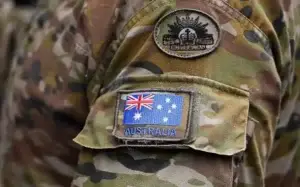
Zoe observed this shift from the outside. “He was struggling very much with feeling like he didn’t have an identity anymore,” she says. “The uniform had been taken away… it was like somebody had pulled the rug out from underneath him.”
That loss of identity is often accompanied by a narrowing of life. Relationships become strained. Purpose becomes unclear. The internal narrative becomes dominated by questions that have no immediate answer. The result is not only distress, but disorientation.
Naming what is happening
One of the earliest challenges in addressing moral injury is the absence of shared language. Unlike visible symptoms such as hypervigilance or panic responses, experiences such as shame or false guilt remain largely internal. Without language, they are difficult to identify, and even harder to address.
Zoe points to this directly. “You don’t have the language to actually say, this is what’s going on… it’s just a big mess.”
The REBOOT approach begins by making that internal landscape visible. Participants are supported to identify what they are feeling, to distinguish between different types of guilt, and to understand the patterns that shape their behaviour. This is not abstract work. It is highly practical, grounded in exercises that connect emotion to action.
Andy describes one of the core distinctions as the difference between conviction and false guilt. “False guilt is the story we tell ourselves that we’re guilty… even when it’s not something we can change or were responsible for,” he explains.
The distinction lets individuals separate responsibility from narrative, and to begin reworking the way they interpret past events. Without that separation, the internal dialogue remains fixed, often reinforcing cycles of shame and self-blame.
From symptoms to root causes
Much of traditional treatment focuses on managing symptoms. This is necessary, and often effective in stabilising individuals. The Cullens’ perspective adds a second layer, one that shifts attention toward underlying causes.
“If we focus all our efforts on symptoms… it can become very frustrating,” Andy says. “What moral injury treatments do is look at the root cause. If we address that, the symptoms go away.”
This approach reframes the work of recovery, moving from control to understanding, and suppression to integration. It also introduces a level of personal accountability that can be challenging, but ultimately empowering.
Zoe describes this as a shift in ownership. “The trauma happened, but the choices you make post that trauma are about you,” she says.
The goal is not to remove compassion, but to reintroduce agency by acknowledging harm while also creating space for forward movement.
The role of forgiveness and meaning
A central element in this work is forgiveness, which isn’t approached as an abstract ideal, but as a practical process that directly impacts wellbeing.
“For me, forgiveness is a key to healing,” Andy explains. “If you carry unforgiveness, you’re just poisoning yourself.”
This extends to both others and oneself. Self-forgiveness, in particular, emerges as one of the more complex steps. It requires confronting deeply held beliefs about responsibility and worth, and reworking them in a way that allows for continued life.
The process is supported by structured exercises, community discussion, and, for some, a spiritual framework. The programme itself is delivered in a way that lets participants interpret these elements through their own belief systems, while still engaging with the underlying principles.
Alongside forgiveness sits the concept of meaning. REBOOT places significant emphasis on reframing experience, encouraging participants to identify ways in which their experiences can contribute to something beyond themselves. “It is about finding the purpose in the pain,” Zoe says.
Practical tools and daily practices
The programme is built around practical interventions that can be applied immediately. One example is the identification of “go-to painkillers”, the behaviours individuals use to cope with distress. These can range from substance use to overwork, isolation, or avoidance.
Participants are guided to identify these patterns, assess their impact, and develop alternative responses. This introduces both awareness and intentionality into daily life.
Another tool focuses on reconnecting with joy. Participants are asked to reflect on what brought them joy earlier in life, and whether those elements are still present.
“You’d be surprised how many people are just not connected with joy,” Zoe notes.
Simple practices like daily gratitude are also introduced. While familiar, these practices are positioned as disciplines that support neurological and emotional change over time.
Community as a foundation for recovery
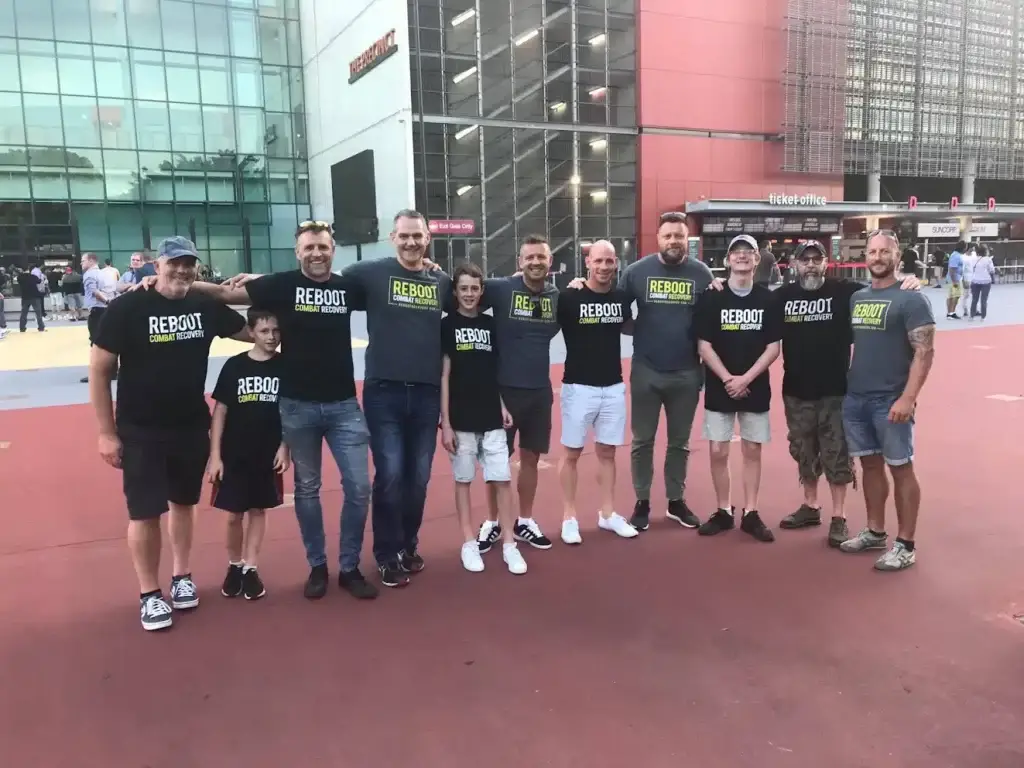
A defining feature of REBOOT is its peer-supported structure. Participants engage with others who have experienced similar forms of trauma, creating an environment of shared understanding.
“People start to feel safe in an environment they can identify with,” Andy explains.
This sense of safety is foundational. It enables openness, reduces defensiveness, and allows individuals to engage with difficult material. It also reintroduces a model of healing that is rooted in community rather than isolation.
The Cullens’ position is that this approach reflects long-standing human practices. Healing has historically taken place within groups, supported by shared experience and mutual accountability. In many modern contexts, that structure has diminished, leaving individuals to navigate recovery in isolation.
Where this leads
The trajectory described by Zoe and Andy is not one of quick resolution. Their own experience unfolded over several years, marked by gradual deconstruction and reconstruction. What REBOOT offers is a structured pathway through that process, informed by both lived experience and practical insight.
The work of recognising moral injury in Australia continues to evolve. In practice, clinicians, peer groups, and programmes such as REBOOT are already addressing it. The language is emerging alongside the work itself.
For those experiencing it, the starting point is often recognition. The ability to name what is happening. From there, the work becomes one of understanding, reframing, and rebuilding.
As Andy reflects, “Not only is hope real, it’s achievable.”