The growing focus on nervous system regulation reflects broader recognition that psychological wellbeing is shaped not only by clinical intervention, but also by everyday environmental, behavioural, and social factors. For communities exposed to sustained operational stress and high-pressure work, understanding how sleep, movement, connection, and recovery influence physiological resilience is becoming increasingly relevant to long-term health, performance, and quality of life.
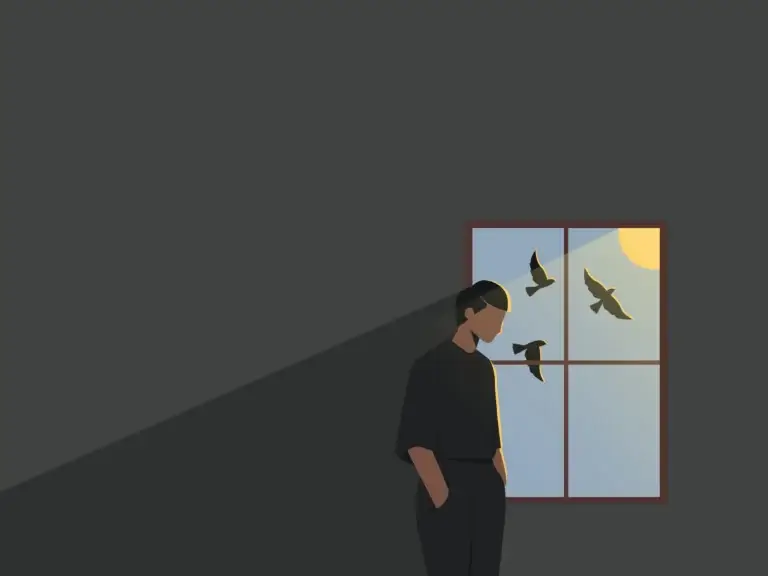
It’s 11pm. Sleep hasn’t come. There’s no clear reason… just a body that won’t settle and a mind running somewhere between the day just gone and nothing at all.
Something is off. Most people in this community know that feeling well. Therapy is one tool. A good one, for the right person at the right time. But it is not the only tool. For a lot of people in the service-connected community, it’s not the first door they’ll walk through. That’s not denial. That’s reality. And it doesn’t mean you’re out of options.
The nervous system can be supported, regulated, and gradually restored through practices that don’t require a referral, a waiting list, or sitting across from someone talking about your feelings.
Here are five of them.
1. Sleep… not a luxury, a biological directive
Sleep is where your nervous system does its maintenance. It’s when the brain processes and files the events of the day, when stress hormones reset, when the body repairs itself at a cellular level. Without adequate sleep, everything else becomes harder. Emotional regulation, decision-making, patience, physical recovery.
The service culture has long worn poor sleep as a badge. Early starts, late finishes, broken nights, and the unspoken pride in functioning on not enough. Chronically disrupted sleep is not toughness. It is a nervous system that never gets to finish its work.
This doesn’t mean eight perfect hours every night. It means treating sleep as a non-negotiable input, not a reward. A consistent wind-down, a dark and cool room, screens off before bed, and understood alcohol for what it actually is… a sleep disruptor, not a sleep aid.
Start there. Before anything else, start there.
2. Movement and using the body to complete the stress cycle
When the nervous system detects a threat, it prepares the body to act. Heart rate up, muscles primed, breath shortened, senses sharpened. That’s the stress response doing exactly what it’s designed to do.
The problem is that most of the stressors we face today don’t resolve through physical action. The difficult conversation, the bureaucratic frustration, the cumulative weight of exposure… these activate the system without giving it a way out. The energy has nowhere to go.
Movement is one of the most direct ways to complete that cycle. Not performance. Not training for an event. Just movement that gets you out of your head and into your body. A walk. A swim. Lifting something heavy. Anything that lets the body do what the stress response prepared it for.
The research on this is not new or contested. Movement reduces cortisol, increases BDNF (a protein that supports brain cell growth and repair), and signals to the nervous system that the threat has passed. A gym membership and a structured program are optional. Consistent movement is not.
3. Breath… the one regulation tool you always have access to
Of all the things the nervous system responds to, breath is the most immediate and the most accessible. It is the only autonomic function you can consciously control, which means it is a direct line into your physiological state.
When stress is present, breath becomes shallow, fast, and chest-driven. This feeds the stress response, signalling to the brain that something is still wrong. When you deliberately slow and deepen your breath, particularly extending the exhale, you activate the parasympathetic nervous system. The brake, not the accelerator.
This is not woo. It is the vagus nerve doing its job. A simple place to start: inhale for four counts, exhale for six. Do it for two minutes. Notice what shifts. That is a physiological tool available in traffic, before a difficult conversation, at 3am when the mind won’t settle. The breath is always there. Learn to use it.
4. Peer connection as co-regulation, not small talk
Human nervous systems are designed to find safety through other people. This is not a social nicety. It is neurobiology. Co-regulation describes how our physiological state is directly influenced by the people around us. A calm, present, attuned person genuinely helps regulate your nervous system. A chaotic or threatening environment does the opposite.
For the service-connected community, the particular power of peer connection goes further. It is being with someone who genuinely gets it. Who doesn’t need the context explained. Who understands the culture, the dark humour, the silence, and the weight that comes with this work.
That recognition… being truly seen by someone who knows… is profoundly regulating. It is not weakness to need it. It is not indulgence to seek it. It is one of the most evidence-supported things you can do for your nervous system. Find your people. Make time for them. This is medicine.
5. Time in nature and lowering the background noise
The nervous system is designed for an environment that no longer exists. We evolved in natural settings with varied light, open space, ambient sound, and rhythm. What most people now live in is relentless stimulation: screens, notifications, artificial light, noise, pace, and the low-grade demand of always being reachable.
Time in nature, genuinely in it and not scrolling beside it, lowers cortisol, reduces blood pressure, and shifts the nervous system out of the vigilant, scanning state that operational life and modern living both sustain. The Japanese practice of Shinrin-yoku, or forest bathing, has been studied extensively with consistent findings that time among trees measurably reduces stress markers.
A forest isn’t required. Getting outside, away from screens, and letting your senses engage with something that isn’t a demand. A creek, a beach, a park with actual grass, somewhere the nervous system can stop scanning for threat and start noticing that it’s safe. Even twenty minutes changes the biochemistry.
Your next steps
None of these are complicated. None of them require a diagnosis, a referral, or the willingness to talk about what happened. They require only the recognition that the nervous system is not a machine that runs indefinitely without input… and that looking after it is not a sign of weakness.