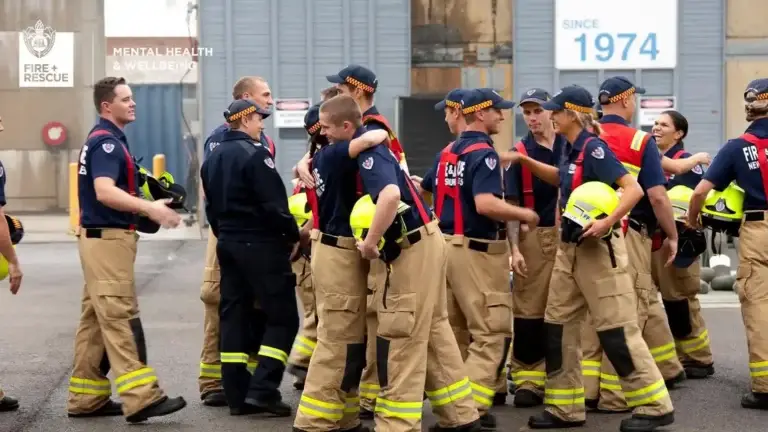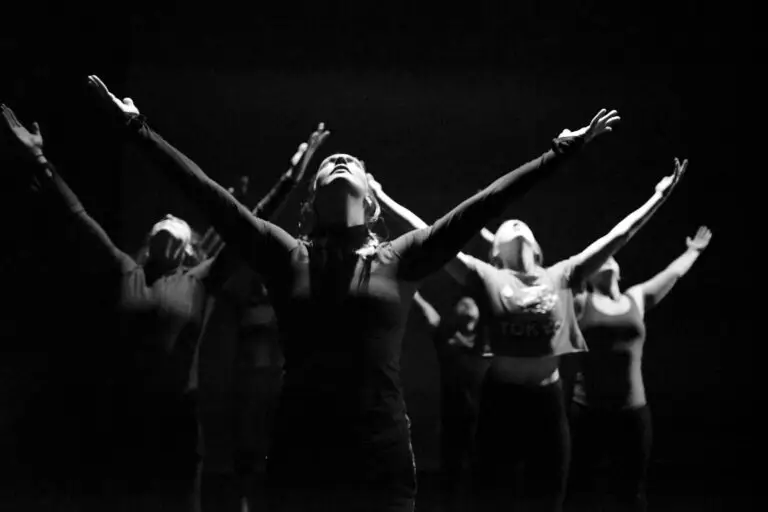
Research into trauma recovery increasingly recognises that wellbeing extends beyond clinical intervention, with creative and community-based activities playing an important role in rebuilding connection, purpose and resilience. As Brisbane Festival approaches, growing interest in the social impact of the arts is highlighting how cultural participation may complement traditional approaches to supporting veterans and others living with trauma.
Brisbane Festival celebrates the transformative power of creativity, while a growing body of research suggests the arts may also help people living with trauma reconnect with themselves, their communities and the world around them.
While the annual festival is renowned for its world-class performances, researchers are increasingly exploring whether creativity can do more than simply entertain by helping people process trauma, rebuild connection and support emotional wellbeing.
American psychiatrist Dr Bessel van der Kolk, who began his career treating Vietnam veterans before PTSD was formally recognised, argues one of the greatest challenges for former service personnel is not simply processing traumatic memories but “fully engaging in their current lives.” He points to approaches including theatre, movement and other body-based activities as ways of helping people reconnect alongside evidence-based clinical care.
“The biggest problem for veterans is to fully engage in their current lives,” Dr van der Kolk said.
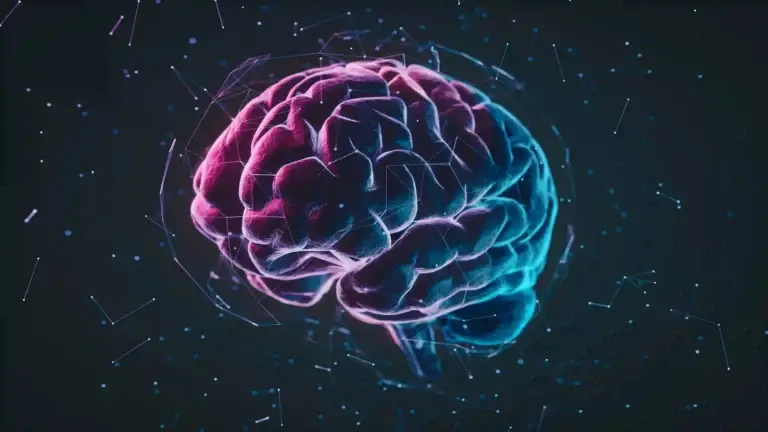
Dr van der Kolk, the best-selling author of The Body Keeps the Score, says trauma interferes with the brain circuits responsible for focus, flexibility and emotional regulation, while a constant sense of danger and helplessness can trigger the ongoing release of stress hormones that affect the body and immune system.
Lasting healing begins by helping people feel safe in their own bodies, recognising there is no single pathway to recovery he says, and instead it may involve a range of clinical and therapeutic approaches including movement, rhythm, community, theatre and play.
“The Body Keeps the Score provides a number of ways to re-engage – some are ancient, like yoga, theater, and martial arts, while others, like neurofeedback, are based on the latest advances in neuroscience,” he said. “In order to overcome trauma people need to feel safe enough to open up their hearts and minds to others and become engaged with new possibilities.”
Those themes of connection, movement and shared experiences sit at the heart of the Brisbane Festival.
Overcoming trauma through dance
Queensland Minister for the Arts John-Paul Langbroek said the Queensland Government’s, Queensland’s Time to Shine: A 10-Year Strategy for Arts and Culture 2025-2035, prioritises the social impact of the arts, including opportunities to commemorate and honour veterans.
“Engagement in the arts and creativity helps to deliver higher social outcomes for many members of our community and for our veterans it’s shown to promote positive mental health and wellbeing, enhanced social connection, and builds community resilience,” Mr Langbroek told OpOz.
He said the strategy explored opportunities to commemorate and honour veterans through initiatives including the Queensland Art Gallery | Gallery of Modern Art’s Art of Wellness Program and Queensland Ballet’s Dance for Veterans in partnership with RSL Queensland.
Mr Langbroek said Brisbane Festival, which receives Queensland Government support, also had a strong focus on community connection and inclusion, with this year’s program featuring more than 420 free events.
Brisbane Festival Artistic Director Ebony Bott told OpOz that research shows that engaging with creative work – whether making it or experiencing it – can ease isolation, lift mood and give people a way to express what words alone often cannot.
“The arts have a quiet power to help us heal. For those carrying the weight of difficult experiences, that matters deeply.”
Ebony Bott
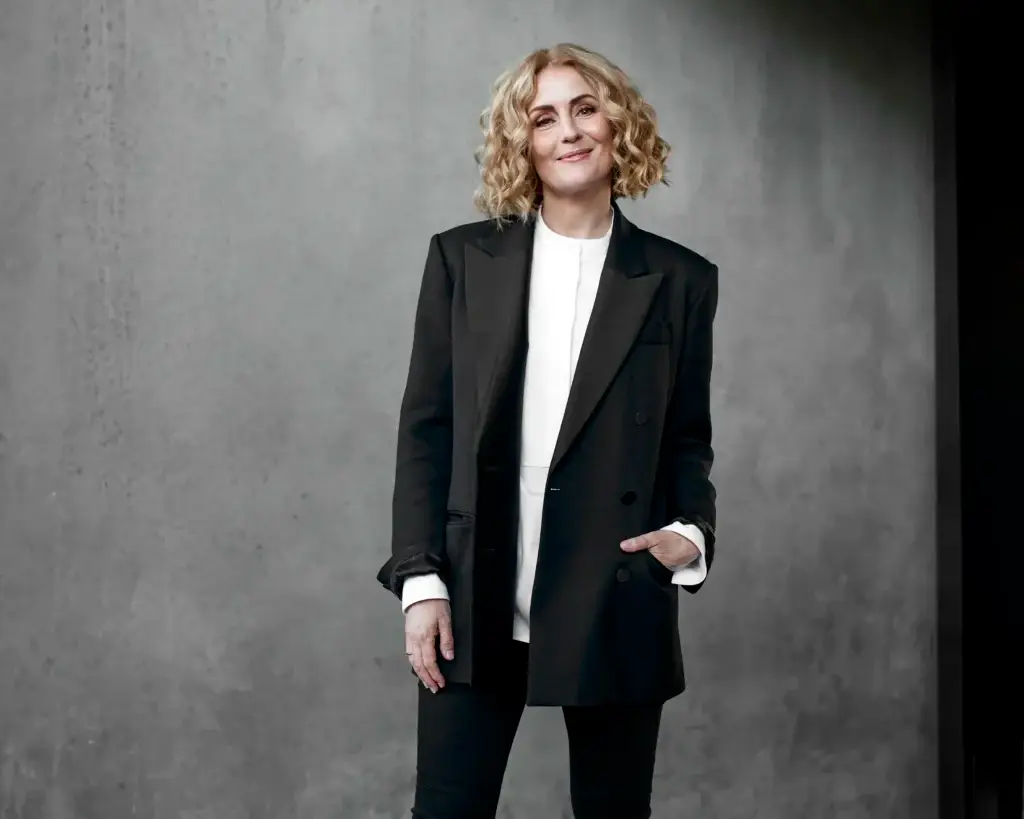
“Art offers a way back to connection: to community, to others who understand, and to oneself. At Brisbane Festival, we believe in the arts as a place to gather and to feel more deeply together, and we are proud to support work that helps people switch back on and come alive.”
Those principles have also been explored in Australia through Lieutenant Colonel Dr Rick Maher’s Dance for Veterans program with Queensland Ballet.
“The two biggest predictors of a veteran presenting in mental health crisis are the development of a sense of hopelessness and social isolation,” Dr Maher told OpOz. “The program is achievement based, but it’s done within a team environment, creating a sense of belonging.
“By incorporating a highly regulated and regimented series of movement you’re creating processes that contribute to the regulation of neurological processes, which then provides better options for clinical responses through psychology or psychiatrists.”
Dr Maher said the involvement of veterans in creative arts is not about finding a cure, it’s about adapting and redefining themselves after trauma. While the Brisbane Festival won’t provide therapy for everyone, he believes engaging with creativity alongside others can still be valuable.
Brisbane Festival gets underway from September 4 with its signature opening event Riverfire, before concluding on September 26 after more than three weeks celebrating arts, culture and community across the city.