Housing affordability and financial security are significant considerations for serving and former Australian Defence Force personnel, particularly where government assistance is designed to reduce the cost of home ownership. Senate scrutiny of the Defence Home Ownership Assistance Scheme has raised questions about lender commissions, interest rate competitiveness and the structure of the scheme, bringing renewed attention to whether current arrangements are delivering the financial benefits intended for Defence members and veterans.
The Federal Government has been challenged to explain whether it has been financially benefiting from a home loan scheme designed for Defence personnel and veterans, after Senate Estimates heard claims participating lenders pay commissions into consolidated revenue while some borrowers may be paying higher interest than comparable loans in the broader market.
The Defence Home Ownership Assistance Scheme (DHOAS) offers eligible members and veterans direct subsidies on the interest charged on their home loan from three lenders, NAB, Australian Military Bank and Defence Bank. The lenders have held the contract for the past decade, with Defence currently evaluating bids for the next contract and the successful tenderers have yet to be announced.
The scheme came under scrutiny during Senate Estimates when independent Senator David Pocock questioned Defence officials over claims participating lenders paid commissions into consolidated revenue, citing estimates the payments totalled about $170 million over the scheme’s first decade. He also challenged why serving personnel and veterans could be paying higher interest rates despite the scheme being designed to help them into home ownership.
Who bears the cost of DHOAS?
Senator Pocock told the committee veteran-owned mortgage broker Stanford Financial, Australia’s leading DHOAS broker by loan volume, had claimed, “the Commonwealth grants the exclusivity in return for commissions paid into consolidated revenue”, initially estimated by the Australian National Audit Office at around $170 million over the scheme’s first decade.
“ADF members and veterans pay that cost through their interest rates,” Senator Pocock told the committee. “In substance, it is a tax on those who serve, collected by the banks.
“Is this being essentially used to revenue raise $170 million over a decade? That is a lot of money from defence members and veterans,” he said.
Defence Secretary Ms Meghan Quinn PSM rejected suggestions the scheme was designed to raise revenue. “That is not the purpose of the home loan scheme,” Ms Quinn said.
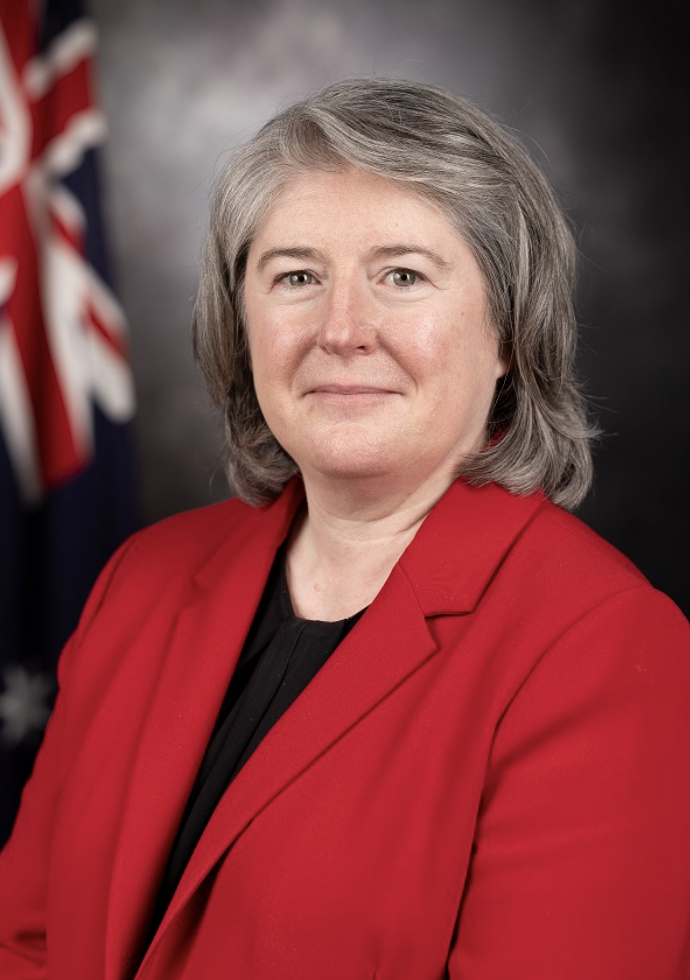
While confirming commissions formed part of the arrangements, Ms Quinn said the Department of Veterans’ Affairs, which administers the scheme, would provide further information on the administration of the scheme through Questions on Notice and stressed the scheme’s purpose was to provide direct assistance to help Defence personnel and veterans afford housing. Those answers were still outstanding at the time of writing, according to the Australian Parliament website.
Putting DHOAS rates to the test
Senator Pocock then turned to whether the scheme was delivering competitive home loan rates, citing figures from veteran-owned mortgage broker Stanford Financial that suggested some DHOAS borrowers could be paying significantly more than borrowers in the broader market.
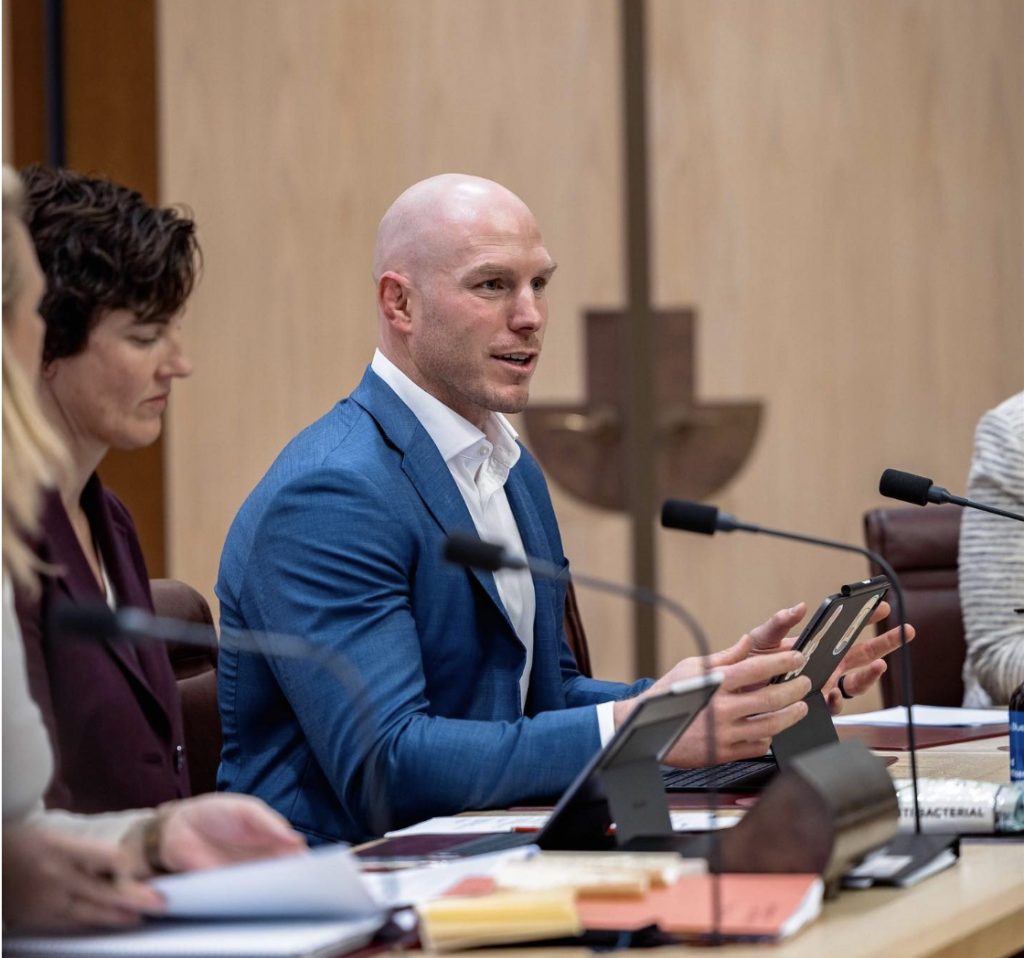
“The advertised variable rates on 11 May 2026, before the Reserve Bank’s 5 May rate decision was passed through, showed NAB’s Defence Force home loan sitting at 6.54 per cent, Australian Military Bank’s rate saver at 6.14 per cent and Defence Bank’s premier low rate at 5.69 per cent for loans up to 70 per cent of a property’s value,” Sen Pocock told the committee. “By comparison, leading non-panel lenders were offering equivalent products at between 5.34 and 5.84 per cent.” He said the difference of up to 80 basis points could add about $130,000 on a $700,000 home loan over the typical life of a loan.
Ms Quinn said she did not accept Senator Pocock’s characterisation of the scheme and explained there were different ways that lenders recovered the costs of providing home loans, including commissions, interest rates or upfront fees. “There needs to be a detailed calculation to compare apples with apples,” Ms Quinn said.
Senator Pocock also questioned why DHOAS remained limited to three lenders. “Why are there only three lenders, when the government’s five per cent deposit scheme offers a panel of 47 lenders including the Australian Military Bank?” he asked.
Ms Quinn said the tender process would ensure the next panel met the contemporary and future needs of ADF personnel and veterans, with historical and future performance considered as part of the evaluation.
The procurement process has closed since the hearing in June, with Defence yet to announce the successful lenders.