Veteran-owned businesses can benefit from many of the qualities developed through service, including resilience, disciplined decision-making and the ability to operate under pressure. Building an organisation for long-term success, however, also requires founders to recognise when a strategy needs to change, ensure purpose continues to guide commercial decisions and develop people and systems that can operate without their constant involvement. For veteran entrepreneurs, these capabilities can help turn individual leadership strengths into sustainable businesses with the capacity to adapt, grow and endure beyond their founders.
Veterans bring powerful qualities into business. Years spent making decisions under pressure, working within imperfect systems and remaining useful when circumstances deteriorate can translate into strong commercial leadership. Yet Kelliegh Jackson believes one of the most important skills for veteran entrepreneurs is learning where to direct that resilience.
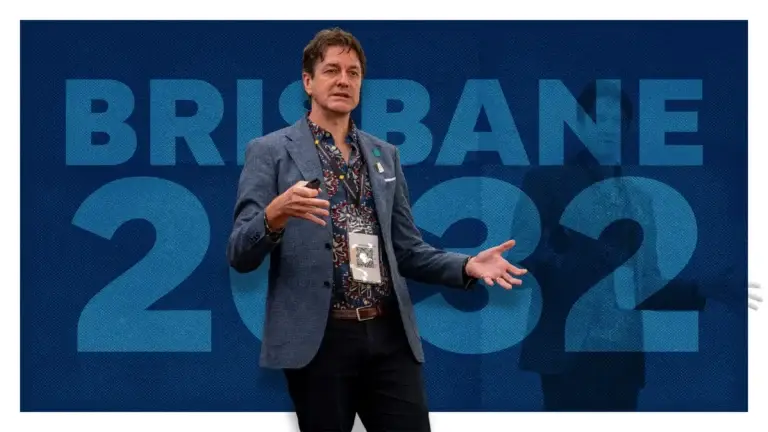
Speaking at the inaugural VetCon26, the founder and CEO of Advocates Online explored the difference between persistence that strengthens a business and persistence that keeps an idea alive long after it has stopped working.
For veterans who have built organisations, secured contracts and created employment, aspiration eventually becomes more than the drive to begin. It becomes the discipline to decide what deserves continued effort, where direction needs to change and what should be released so that something stronger can take its place.
Know when to let go and move on
Kelliegh learnt this through one of the most expensive lessons of her business career. She continued engaging, supporting and resourcing the wrong people long after the organisation moved on from their capabilities. Her dedication to achieving their KPIs and goals far exceeded their commitment and capability. Moving them on felt too personal. The decision consumed money and energy while drawing capable people into solving a problem that required a different response.
At one point, she hired three people to work around an issue that should have been addressed through one difficult conversation. The organisation appeared to be growing, but the additional payroll was masking a problem that remained unresolved.
“A plan that has finished becomes dead weight. You can keep hauling it uphill and call that grit, loyalty or discipline, but discipline also means knowing when the plan is spent and having the nerve to bury it.” – Kelliegh
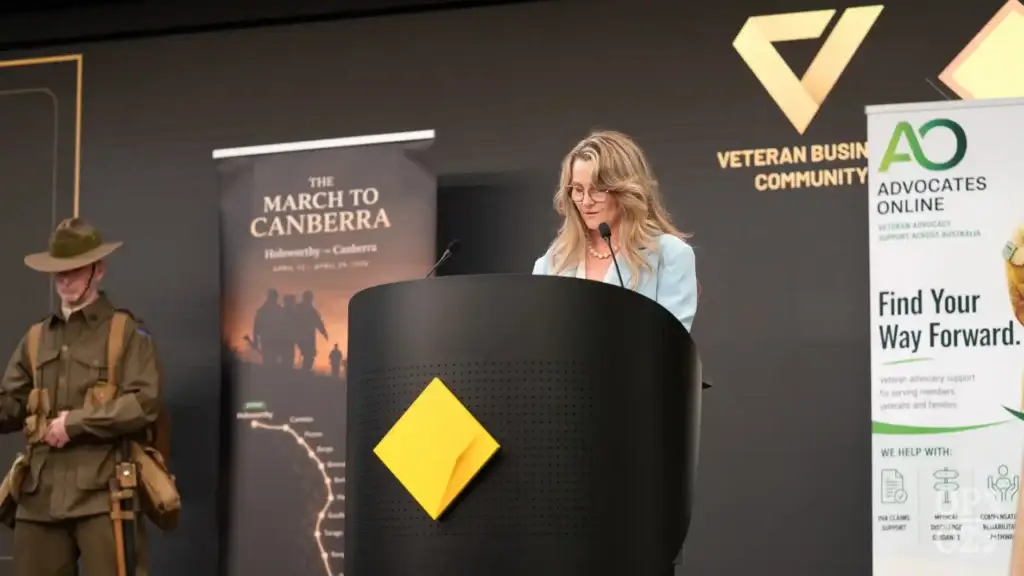
Military service can make that distinction particularly difficult. Training develops a powerful ability to continue under pressure, carry responsibility and function through discomfort. Those qualities can become foundations of a successful business, provided they are accompanied by the judgement to recognise when continued effort is serving the organisation and when it is draining it.
Kelliegh has had to develop that judgement herself. The instincts that helped her through service also helped her build Advocates Online. They allow her to remain composed during difficult periods and keep moving when circumstances become uncertain, but experience has taught her to become more selective about which battles deserve that effort.
That ability to function during uncertainty remains one of the strongest commercial assets veterans can carry from service. Business creates its own forms of operational pressure when contracts disappear, cash flow tightens, key people leave or a promising strategy begins to unravel. Military experience can provide a level of composure and disciplined decision-making that becomes particularly valuable when the stakes rise.
“When everything goes sideways, we have been trained to stand in the middle of it and still think, choose and move,” Kelliegh said. “Chaos does not empty our heads in the same way. It often sharpens them.”
Turn setbacks into information
Disciplined judgement also means separating resilience from attachment. Hard work can support a sound strategy through a difficult period, but once the underlying direction has become unsound, additional effort can deepen the loss.
Kelliegh treats setbacks as information that can improve the next decision. Drawing on the game of snakes and ladders, she describes progress as movement through a board where every position reveals something about the strategy, assumptions and decisions that led there.
“The people who lose are not the ones who hit snakes, because everyone hits them,” she says. “They are the people who remain on the square they slid to, arguing that it should have been a ladder.”
The language leaders use around setbacks influences what they do next. Treating an unsuccessful decision as evidence creates room to examine what happened, adjust direction and carry the learning forward. The experience becomes part of the intelligence available for the next decision rather than a judgement on the founder’s ability.
This requires an honest assessment of whether the work still aligns with the purpose that led to the business being created. Kelliegh uses her calendar as one of the clearest measures of that alignment.
“The calendar is where the truth lives,” she says. “When my week does not match my purpose, the purpose has already drifted and I simply have not admitted it yet.”
Purpose can gradually become routine as founders become absorbed in maintaining the machinery of an organisation. Their time shifts towards managing processes and solving immediate problems until the work consuming their days begins to move further away from the contribution they originally wanted to make.
Reviewing where time, energy and resources are going can expose that drift early. It can also help a founder decide which activities remain central to the organisation’s purpose and which have continued largely through habit or momentum.
Build beyond yourself
Those decisions shape more than the current financial year. The way a founder hires, manages pressure, resolves difficult issues and builds operational systems gradually becomes part of the organisation’s character. Employees learn from those standards, and the people who eventually take responsibility for the business inherit the systems and culture created before them.
A strong business therefore needs to function cleanly without its founder constantly holding every part together. For Kelliegh, this is where aspiration begins to connect with legacy.
Her own direction became clearer when she stopped measuring progress against other people’s pace and expectations. She began making decisions from her own convictions while keeping trusted people close enough to challenge and support her.
“Once you run on your own convictions, you stop needing the crowd to approve your direction,” she says. “That does not mean running alone. It means the crowd no longer chooses your heading.”
Building for the road beyond you
Her charity, Eyes Front, reflects the same philosophy. Its name captures the discipline of facing the direction you have chosen rather than allowing shame, regret or comparison to determine where you go next.
Kelliegh compares this approach to dead reckoning, the navigation method used when the destination cannot yet be seen clearly. A navigator establishes the current position as accurately as possible, selects a heading and begins moving, adjusting as better information becomes available.
Business leadership often requires the same approach. Complete certainty rarely arrives before a decision is needed. Leaders need to understand their current position, choose a direction grounded in clear convictions and remain willing to change course as circumstances reveal new information.
That combination of conviction and adaptability also determines whether a business can eventually outlast the person who created it.
“Success is measured while you are still in the room. Legacy is measured after you have left it.” – Kelliegh
Revenue, recognition and growth can show what a founder achieved while actively leading an organisation. Legacy emerges through what continues afterwards: the standards that remain embedded in the business, the people equipped to lead without the founder and an organisation capable of remaining useful without depending on one person to keep it functioning.
Veterans already possess many of the qualities required to build that kind of organisation. Service develops the capacity to remain composed in difficulty, commit to a larger purpose and continue moving when the way ahead is uncertain. Business leadership adds another layer of judgement: knowing when persistence is protecting something worth building and when the stronger decision is to change direction.
The goal is ultimately to create something capable of carrying its purpose forward. A business that can adapt, develop people and operate beyond its founder has the opportunity to leave more than a record of commercial success. It can create a path others are able to continue long after the person who started it has left the room.