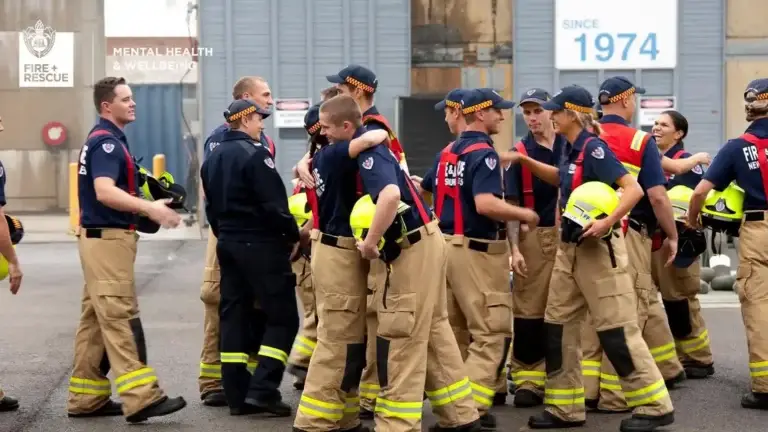
Suicide prevention among veterans and first responders requires support before distress reaches crisis point and continued care when recovery takes time. Early mental health education, informed leadership, transition planning and treatment that addresses PTSD, moral injury and wider life pressures can create more opportunities for intervention, connection and recovery throughout and beyond a life of service.
Suicide prevention begins well before a crisis for people serving on the front lines at home and abroad, where the effects of trauma, workplace harm and difficult transitions can build over time. Early support can change the path that follows by preparing people for the psychological demands of service, helping those around them recognise when they are struggling and connecting them with care that addresses PTSD and moral injury. Recovery remains possible, even after years of distress.
Prevention can begin while people are well
One example of prevention being built into the early years of a high-risk career is Protecting Emergency Responders with Evidence-Based Interventions, known as PEREI. Led by Flinders University, the research project supports first responders during their first five years of service, when they are beginning to encounter the operational and organisational pressures associated with the work. Its three-part approach provides wellbeing and resilience education for first responders, support for their families and close friends, and mental health training for supervisors.
Professor Reg Nixon, a psychologist and the project’s Chief Investigator, is examining whether giving people practical skills early in their careers can reduce the effect of future stress and trauma. PEREI includes police, firefighters, paramedicine students and volunteers in South Australia, with participants completing seven short online modules supported by a wellbeing coach.
Preliminary findings showed lower rates of probable PTSD and depression among participants than in the standard-practice comparison group after the program, with promising effects still present at six months. The findings remain subject to final analysis and one-year follow-up, yet they offer early evidence that a relatively brief, confidential and well-supported program can strengthen mental health before serious symptoms develop.
This preparation gives people language for what they may experience and helps them recognise changes in themselves sooner. Participants valued receiving confidential support at arm’s length from their service, which allowed them to speak openly. When mental health education becomes part of preparing for a high-risk career, seeking help can become a familiar response to strain and an early step towards recovery.
Support needs to reach people who hide their distress
Early intervention becomes more complex when a person is determined to conceal what they are experiencing. Tim Peck served with Victoria Police for 21 years and now works with Phoenix Australia, helping emergency service workers prepare for and manage transition. His understanding of prevention also comes from surviving his own mental health crisis.
“My mental health condition was so obvious that I did everything in my power to make sure that nobody could see it,” Peck says. “I lied to my clinician, I lied to my family.”
His experience supports several points of contact around a person. Leaders and peers can learn to notice changes in behaviour, functioning and wellbeing, begin safe conversations and recognise when professional support is needed. Families also need clear ways to raise concerns and find guidance, particularly when someone they care about is withdrawing or resisting help.
Regular conversations about mental health make these interventions easier. They give people a shared language before a crisis, help leaders respond with confidence and show personnel that psychological care belongs within professional practice. They also reduce the burden on someone to identify and navigate a complex system when distress has affected their concentration, judgement or motivation.

Transition planning protects identity and connection
Peck believes transition planning should begin when someone enters a high-risk occupation. Every member will eventually leave, while many will also move through injury, a return to work or a change in role. These transitions can affect routine, relationships, financial security and a person’s sense of who they are.
The loss can be particularly severe when the role has absorbed most of someone’s identity. Peck went from the pace and constant contact of senior detective work to silence during a mental health crisis. He describes transition as a functional, psychological and relational process. Starting preparation early gives people time to maintain relationships outside work, develop other interests, involve their family and decide how trusted colleagues should stay in contact if they become unwell. Connection then becomes part of the plan and continues through periods when reaching out may feel difficult.
Moral injury needs focused care
Appropriate intervention depends on understanding the source of a person’s distress. PTSD may involve intrusive memories, hypervigilance, avoidance and fear responses. Moral injury can develop when someone perpetrates, witnesses or feels unable to prevent events that violate deeply held values, or when they experience betrayal by a leader or institution they trusted. It can affect a person through guilt, shame, anger, regret, loss of purpose and a damaged sense of personal worth.
Army veteran Andy Cullen found that treatment for PTSD and major depressive disorder helped with some of his fear-based responses. His continuing moral conflict required support that addressed guilt, shame, forgiveness, identity and purpose. With his wife, Zoe, he spent years working through these experiences with the help of family, community and a psychologist who gave him language for what he was carrying.
“Family and community became functionally really key to that process,” Cullen says, describing them as essential to his survival.
Zoe Cullen has seen the difference that appropriate care can make. “People can get better from PTSD,” she assures, while explaining that moral injury also needs focused attention. Their experience led them to bring REBOOT Recovery to Australia as a peer-supported program for veterans and families. Recovery took years and demanded sustained work, while also giving them confidence that people can find a way through.
Recovery needs more than one pathway
Early intervention can prevent distress from becoming more severe, while continued support remains essential for people whose recovery takes longer. Psychiatrist Dr Ted Cassidy cites figures showing that 46 per cent of transitioning veterans have experienced a mental health condition during the previous 12 months, while three in four will experience one during their lifetime and one in four will be diagnosed with PTSD.
Many people continue to struggle after receiving care. Around one in three people with depression develop treatment-resistant depression, while approximately half of those receiving standard PTSD treatment have a good response. Cassidy regularly meets patients who interpret limited progress as a personal failure, adding guilt and self-blame to the condition they are already managing.
A slow or incomplete response may indicate that the person needs a different clinician, a more accurate understanding of the injury, coordinated services or a next-step treatment for depression, anxiety or PTSD. Further options remain available, and Cassidy’s aim reflects the confidence he has in people’s capacity to recover. “My mission in mental health is that everyone gets back,” he says.
Clinical treatment forms one part of that recovery. Professor Ben Wadham’s research into institutional abuse and veteran suicidality shows how workplace and life circumstances can continue to affect a person’s wellbeing. Abuse, exclusion, betrayal, poor leadership and harmful complaints processes can contribute to distress, while chronic pain, financial pressure, unresolved claims, relationship difficulties and uncertainty about employment can make recovery harder.
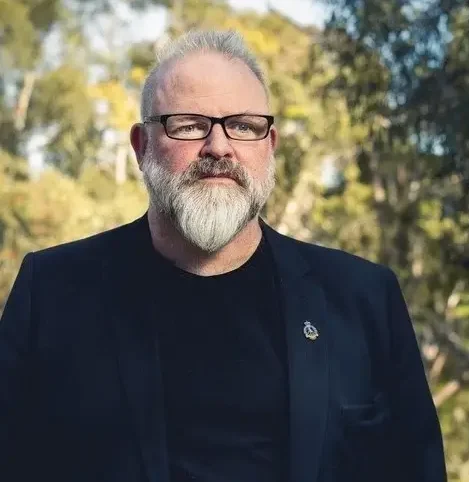
Wadham advocates a social and preventive health approach that addresses these pressures alongside a person’s mental health care. Access to education, employment, housing, transport, justice and community connection can help someone rebuild stability and move forward. This broader approach recognises the full circumstances of a person’s life and creates several places where support can reach them.
Kevin Humphreys’ experience shows how these pressures can accumulate over time. After 20 years in the Army, workplace and interpersonal harm contributed to a psychological breakdown and suicidal thoughts. He returned to flying and later spent 12 years in civilian search and rescue, yet he carried intense shame about his mental illness and kept that part of his life hidden for seven years.
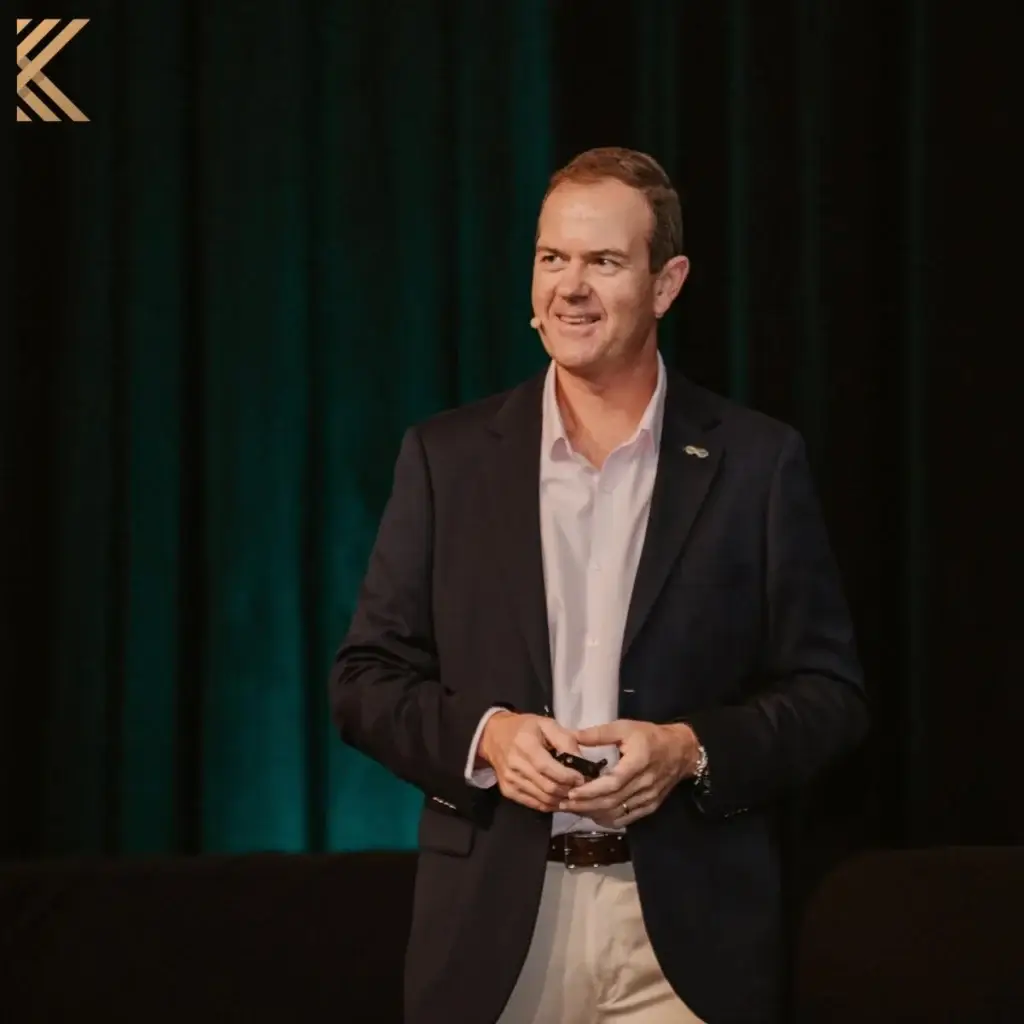
His life began to change when a business coach recognised that he was holding something back and gave him the space to speak. She helped him place the experience within his history while retaining control over the decisions that followed. As Humphreys began sharing his story publicly, other people approached him and told him they were carrying similar experiences in silence.
“I’ve found my voice, and I now believe I have a responsibility to keep using my voice to help represent those people who haven’t yet found theirs,” he says.
Humphreys later founded Cor Infinitus after losing a former colleague to suicide and finding the funeral booklet of another veteran at the Townsville cenotaph. Its memorials honour those who served and died by suicide while carrying messages of connection and support from a parent, partner, child, mate and a veteran who survived a suicide attempt. A former soldier has since told Humphreys that one of the memorials helped him stay alive.
Prevention becomes stronger when people have several ways to find support and further options when recovery takes time. An early conversation can lead to care, practical support can reduce the pressures surrounding a person, and a different treatment can create progress after previous approaches have fallen short. The people who have survived these experiences carry a well-earned faith in recovery and continue to show others that there is a way forward.
If you or someone you know needs immediate support in Australia, call Lifeline on 13 11 14 or text 0477 13 11 14. Current and former ADF personnel and their families can contact Open Arms on 1800 011 046 for free and confidential support at any time. If life is in danger, call Triple Zero on 000.