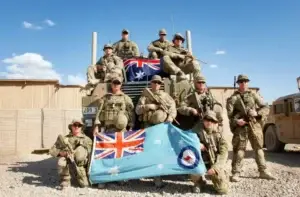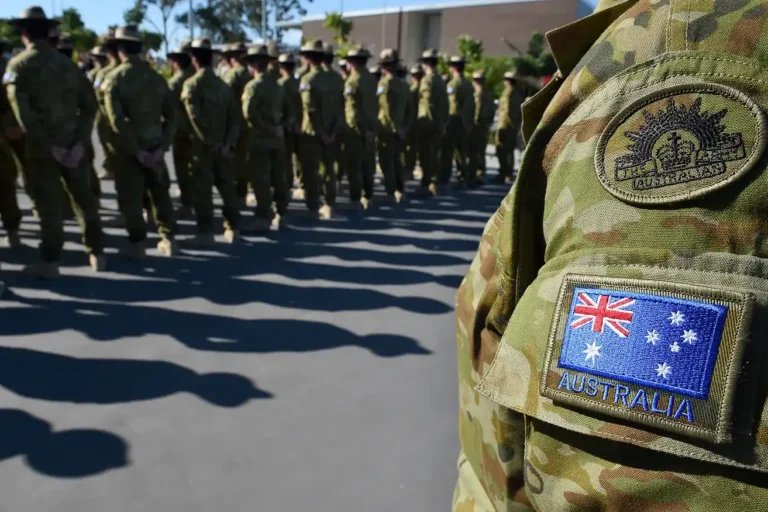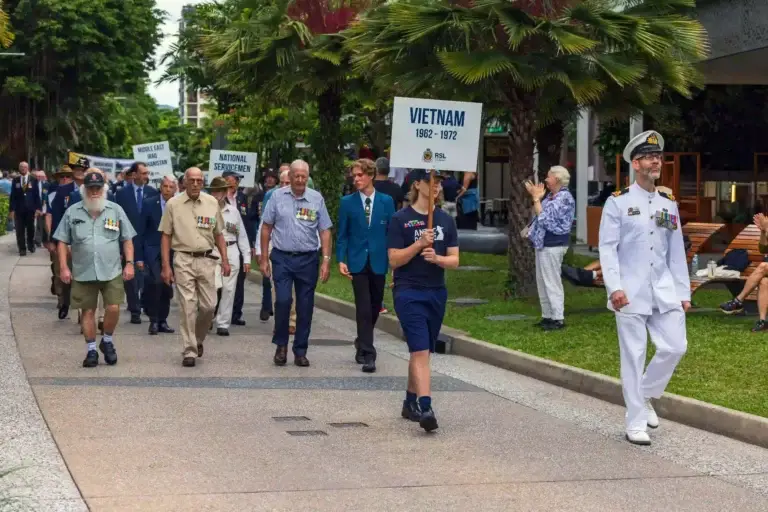
For nearly eight decades, Australian military personnel, police officers and civilians have supported peace operations in more than 60 countries, often amid violence, instability and complex rules of engagement. National Peacekeepers’ Day recognises their contribution while drawing attention to the continuing need for appropriate service classification, medallic recognition, psychological care and support for families.
On 14 September 1947, four Australian military observers became the first United Nations peacekeepers deployed into the field. They were sent to the Netherlands East Indies, now Indonesia, to observe a ceasefire between Dutch forces and Indonesian republicans during the country’s struggle for independence.
National Peacekeepers’ Day is held on 14 September each year to recognise that first deployment and the Australians who have followed. More than 65,000 Australians have served in over 70 peace operations across more than 60 countries. They include Australian Defence Force personnel, federal and state police officers, and civilians who have worked as observers, medical professionals, engineers, diplomats and humanitarian specialists. Seventeen Australians have died while serving on peace operations.
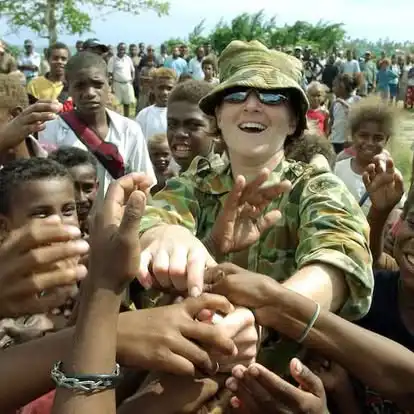
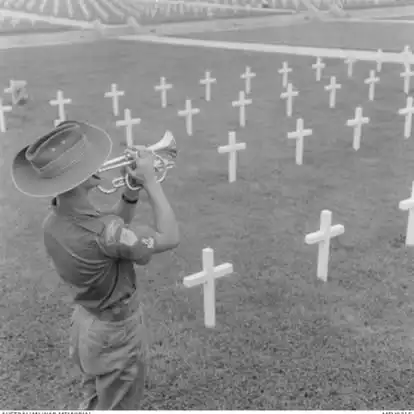
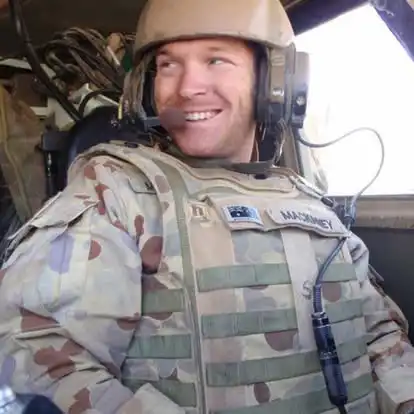
Peacekeeping service takes many forms
Australia’s peacekeepers have monitored ceasefires, cleared landmines, delivered medical care, protected elections and peace talks, disarmed former combatants, rebuilt essential infrastructure and helped humanitarian aid reach communities affected by conflict. Some have deployed as part of large operations, while others have served in small teams or as individual specialists in places far from public attention.
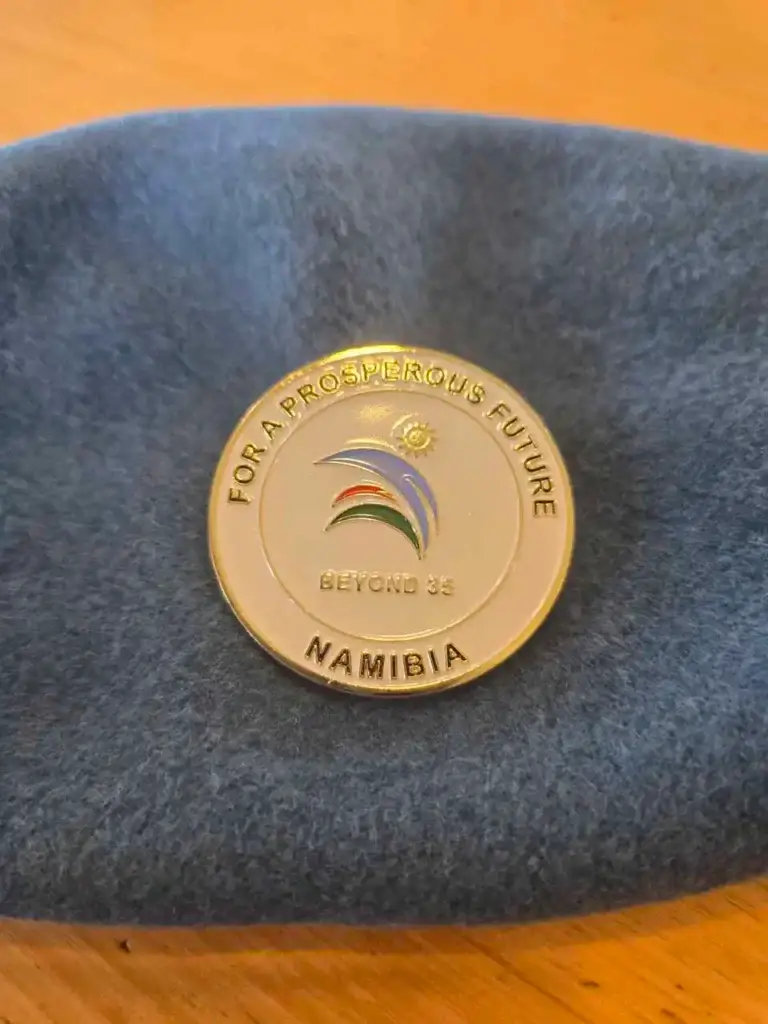
Their work has taken them to Cambodia, Rwanda, Somalia, Namibia, Timor-Leste, the Solomon Islands, Cyprus, the Sinai, Pakistan and many other parts of the world. The conditions vary considerably between missions, from observation and humanitarian assistance to peace enforcement in environments where armed groups remain active.
Rod Henderson, CEO of the Australian Peacekeeper and Peacemaker Veterans’ Association (APPVA), joined the Australian Army in 1995 during a period often described within Defence as the Great Peace. Australia was involved in peacekeeping operations, although major combat deployments appeared less likely than they had during previous generations. That changed with the Australian-led International Force East Timor, known as INTERFET, in 1999.
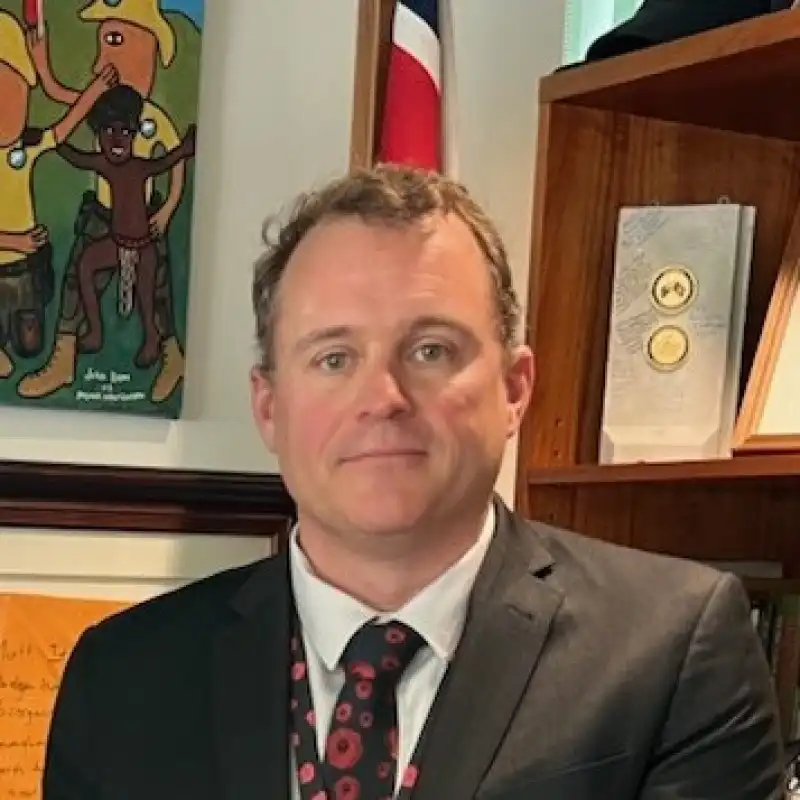
“When you join the Army, you accept that you are there to serve the nation, and you cannot predict where that service will take you,” Henderson says. “When the opportunity to deploy comes, people want to go because that is what they have trained to do.”
INTERFET was a peace enforcement operation tasked with restoring security, protecting the United Nations mission and supporting humanitarian assistance after violence followed Timor-Leste’s vote for independence. Australian personnel deployed into an unstable environment where the possibility of armed confrontation was part of their daily work.
Other peacekeeping missions have placed Australians close to mass violence and human suffering. Medical personnel serving in Rwanda treated people during the aftermath of genocide, while Australians in Cambodia and Somalia worked among armed groups and communities affected by prolonged conflict.
Peacekeepers can also operate under rules of engagement that change as conditions develop. They may need to decide when they can intervene, when they must hold their position and how to respond to behaviour that conflicts with their professional and personal values. These decisions can carry operational, legal and psychological consequences long after the deployment ends.
An association formed through the experience of exclusion
The APPVA was established on United Nations Day in October 1997. Its formation followed the experiences of personnel returning from the United Nations missions in Cambodia, many of whom faced significant health concerns and struggled to gain recognition and support through established veteran services.
Prevailing attitudes often treated combat as the measure of legitimate veteran service. Some peacekeepers were excluded from marching together on Anzac Day, while the psychological effects of witnessing violence, treating severe injuries or working under constant threat received limited recognition.
Henderson says similar divisions have appeared between successive generations of Australian veterans. First World War veterans questioned the experience of those who served in the Second World War, while some veterans from later conflicts faced comparable attitudes when they returned. Peacekeepers encountered the same hierarchy of service during the 1990s.
The scale of Australia’s deployment to Timor-Leste helped change public and veteran perceptions. Peacekeepers became an increasingly visible part of the veteran community, and personnel who served in Timor-Leste later joined veterans from Iraq and Afghanistan in ex-service organisations. The APPVA continued its work, with a particular focus on the issues created by the way different operations were classified and recognised.
Advocacy can change the support a veteran receives
Australian military operations are assigned a nature-of-service classification, such as warlike, non-warlike or peacetime service. These classifications influence the entitlements, compensation and forms of support available to personnel through veteran legislation administered by the Department of Veterans’ Affairs.
The classification assigned before or during an operation may later be reviewed if evidence shows that personnel faced a different level of danger or operational pressure. The Association advocates for these retrospective reviews where the conditions experienced by personnel appear inconsistent with the original classification.
Henderson points to missions where Australians faced armed militias, frequent threats and periods of active violence while serving under a non-warlike classification. The discipline shown by deployed personnel may have prevented an encounter from escalating, although those personnel still experienced the threat and carried its effects home.
“If a nature-of-service decision changes 20 or 30 years later, it can give those veterans access to a different level of support through DVA,” Henderson says. “For the people who served there and have lived with the consequences ever since, that can make a significant difference.”
The Association’s volunteer advocates help veterans gather evidence, understand the relevant legislation and pursue cases that can take years to resolve. While an individual veteran may approach the organisation with a particular concern, a successful review can affect many other people who served on the same operation.
Recognition should reflect the contribution of the whole team
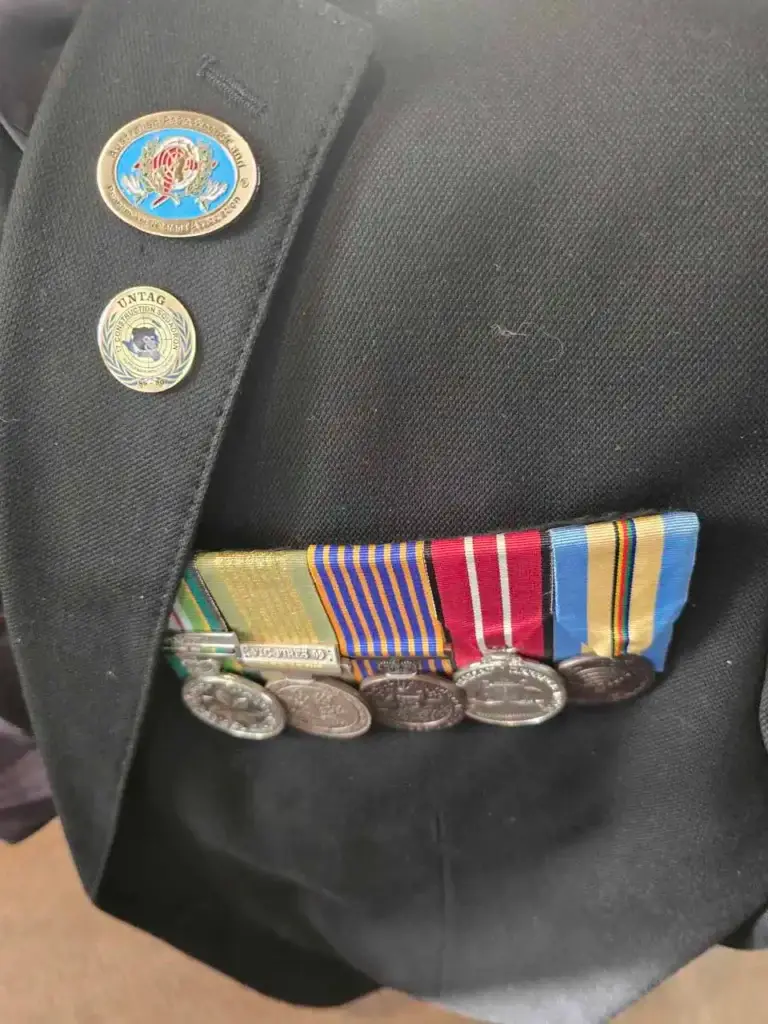
Medallic recognition is another important area of advocacy. Eligibility can depend on where a person served, how long they spent within a designated area of operations and the formal status of their role.
These rules can leave support personnel without the same recognition as the teams whose work they made possible. Henderson recalls a humanitarian mission in Pakistan in which aircrew flew aid and medical support into the mountains of Kashmir. They received recognition for entering the designated operational area, while some of the maintainers, refuellers and other support personnel remained outside its geographic boundary.
The aircraft could only complete their missions because those teams kept them operating. The Association uses cases such as this to advocate for recognition that reflects how an operation was delivered and how each role contributed to its outcome.
The same questions can arise when personnel support an operation from a nearby country rather than serving inside the main area of operations. The Association examines the purpose of the medal or award, the person’s duties and the relationship between their work and the mission before making a case for review.
Supporting the psychological impact of peacekeeping
Peacekeeping can expose personnel to experiences that differ from conventional combat while producing serious psychological injuries. Moral injury can develop when someone witnesses conduct that conflicts with their values, feels unable to prevent harm or believes that circumstances forced them to act against their moral judgement.
In peacekeeping environments, personnel may witness atrocities while their rules of engagement limit their ability to intervene. They may work beside forces with different cultural, religious or professional standards, or face armed groups while carrying out a mission intended to prevent further conflict.
“The restraint of our personnel can be the very thing that stops a situation becoming a shooting war,” Henderson says. “They may still have faced imminent danger or had to absorb what was happening around them without being able to respond in the way they wanted.”
Recognition of these experiences helps veterans explain how their service affected them and seek appropriate psychological care. It also gives health professionals, claims advocates and families a clearer understanding of the pressures that can accompany peacekeeping service.
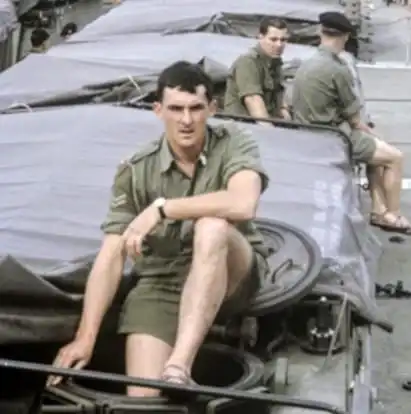
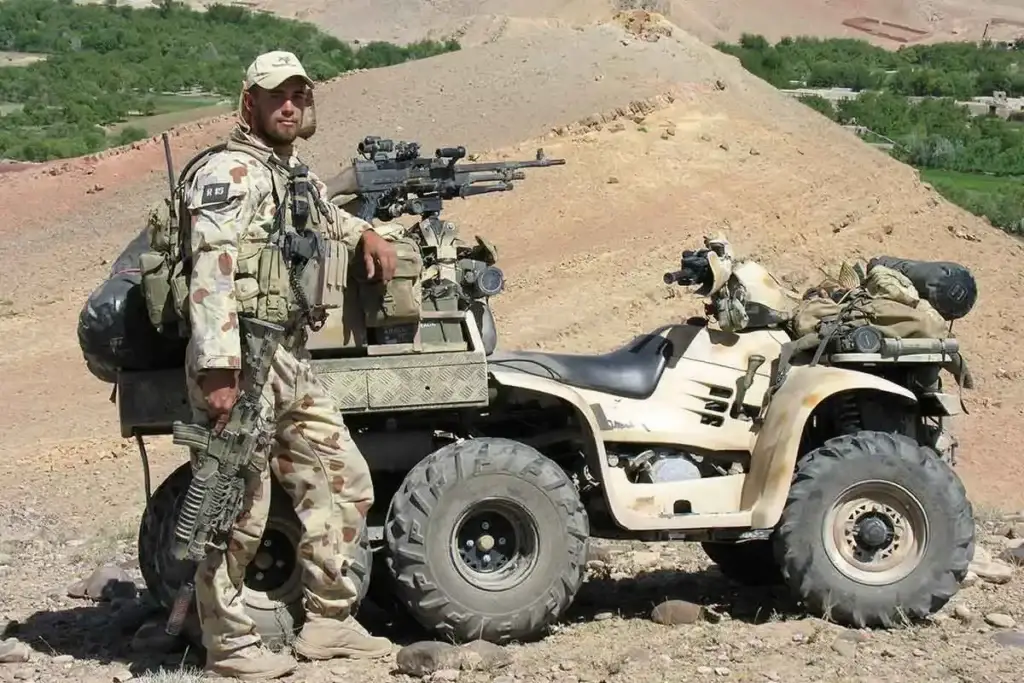
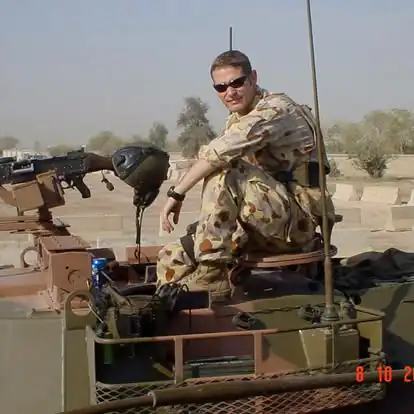
Keeping peacekeepers and their families connected
As an all-volunteer organisation, APPVA relies on people with experience and commitment to advance individual cases and broader reforms. Its representatives participate in Department of Veterans’ Affairs consultation forums and maintain an active advocacy presence in Canberra.
The Association is also developing care packages for Australians currently deployed on peacekeeping operations, together with support for their families at home. Henderson wants this work to strengthen the connection between today’s peacekeepers and the veteran community that understands the pressures of deployment.
National Peacekeepers’ Day is an opportunity to recognise the full range of people who have served in the name of peace. Henderson hopes Australians will look beyond the largest and best-known deployments and learn about the individuals who served in small teams, specialist roles and missions that rarely entered the national conversation.
Their experiences form part of Australia’s military, policing and civilian history. The advocacy that began with a group of excluded Cambodia veterans in 1997 continues to help peacekeepers secure recognition for their service, access support that reflects what they experienced and remain connected with the community after they return home.
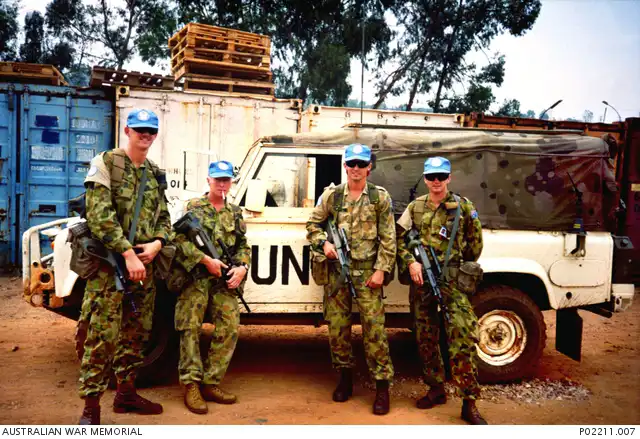
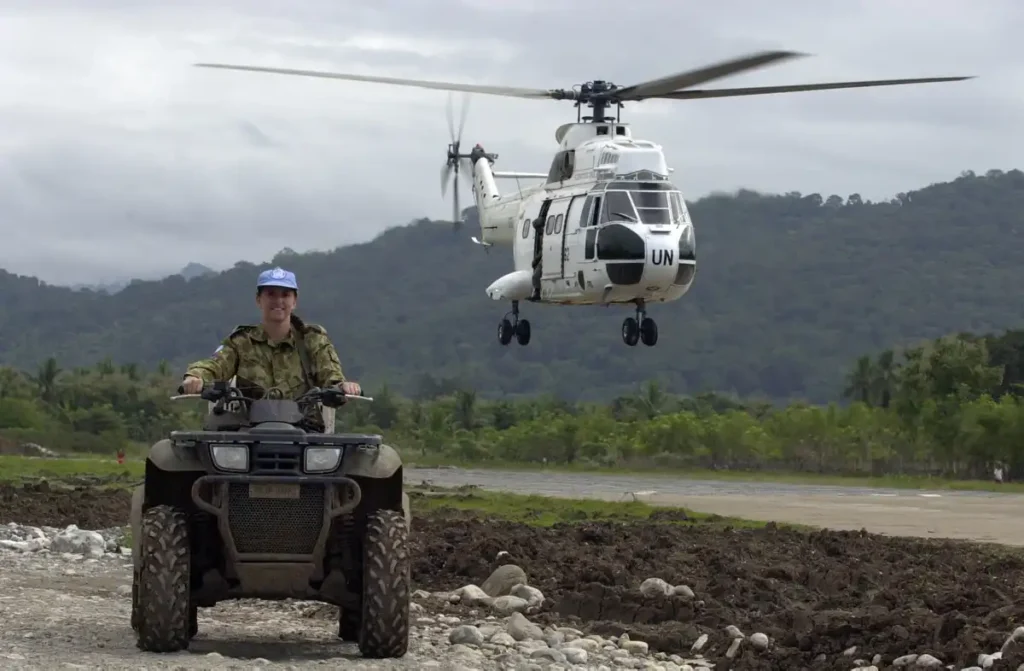
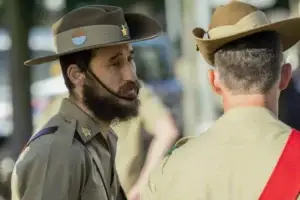
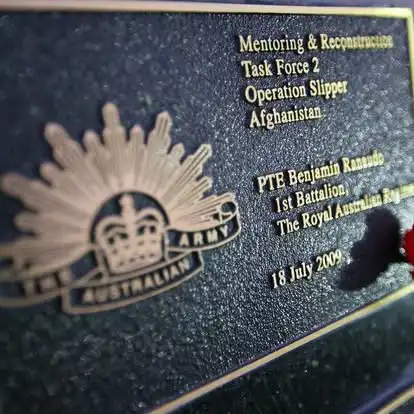
Operation Australia acknowledges all who serve and in particular we remember LCPL Jared McKinney and PTE Benjamin Ranaudo featured in our imagery for this article. They made the ultimate sacrifice seeking to uphold peace in Afghanistan.