Public commemoration of military service often centres on sacrifice and remembrance, yet the long-term impact of service on veterans and their families remains less visible and insufficiently addressed. Persistent rates of suicide, family violence, and intergenerational trauma point to systemic gaps in support that demand institutions respond to the ongoing human cost of service beyond ceremonial recognition.
This article contains references to suicide and self-harm. If you need support, please reach out to Open Arms—Veterans & Families Counselling at 1800 011 046.
As the child of a veteran, days like Anzac Day and Remembrance Day hold special significance to me. On these days, I think of my father, who died at 52 from melanoma cancer related to his exposure to Agent Orange during the Vietnam War. I think of the relationship I never got to have with my dad, because the person who came home from the war was not the same as the man who left.
I think of the battlefield I grew up in. The one charged by the war that lived on inside my dad. How it shaped the tone of my family, the rhythm of our days, and my body, which learned—while I was barely old enough to talk—to brace for the impact of my dad’s untreated trauma as it exploded out of him and into me.
On these days, we recite the words Lest we forget. But when I think of the way veterans and their families continue to be treated by the institutions and governments that speak of honouring them, the hollowness of such words rings loud.
When war comes home
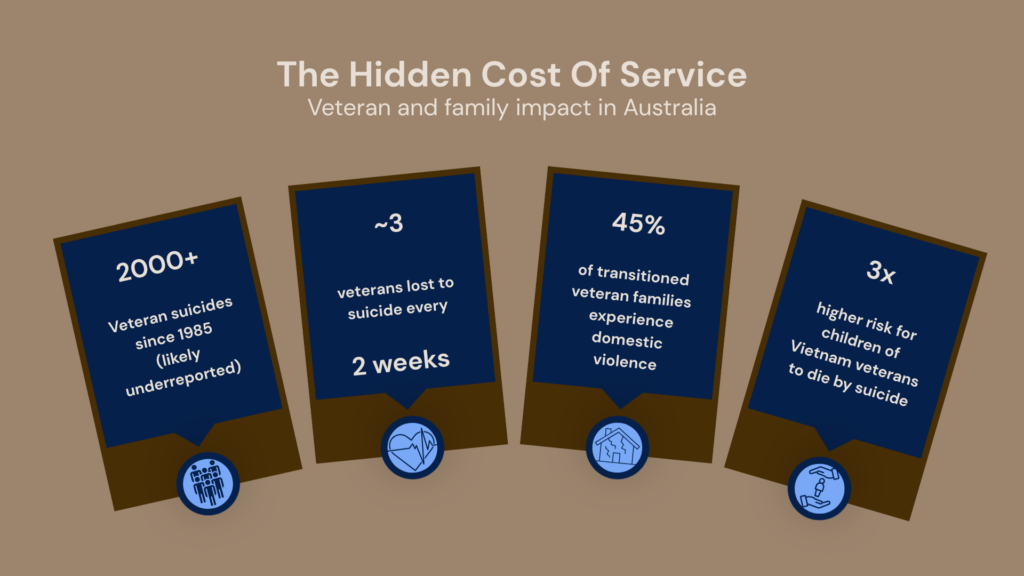
The September 2024 Royal Commission into Defence and Veteran Suicide revealed that more than 2,000 serving and ex-serving Australians have died by suicide since 1985, an average of three veterans every fortnight. This figure is thought to be an underrepresentation. The report noted that despite over 50 previous inquiries and 750 recommendations, the suicide rate hasn’t shifted in 20 years.
A recent Monash University report found that as many as 45 per cent of transitioned veteran families experience domestic and family violence. That’s almost one in two. Children of Vietnam veterans are three times more likely than the general population to die by suicide. As a cohort, children of veterans are significantly more likely to live with lifelong mental health challenges that trace back to growing up in unsafe homes stemming from their parent’s unsupported mental health challenges.
This problem of unprocessed trauma cutting lives short or being passed on to the next generation has existed for as long as war and conflict has been part of society, yet we rarely speak of it. Even on days like Anzac Day and Remembrance Day, “remembrance” is often painted in sepia tones as something nostalgic and related to the past, rather than a war that is alive and well inside the hearts and minds of current-day veterans and their families.
When silence stops being respect
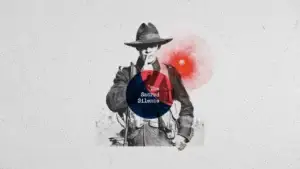
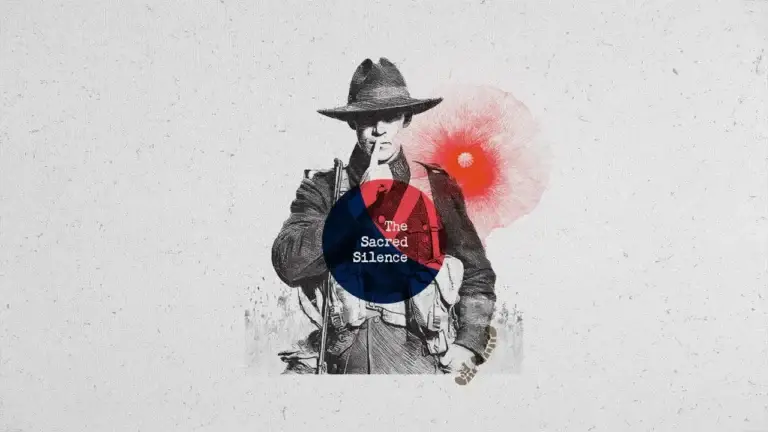
Silence sits at the heart of this story. In the military, silence is often held up as a sign of respect. It speaks of discipline, strength, and the ability to endure. But silence can also be used as a weapon to stop uncomfortable truths coming to light.
Silence can add to stigma and increase shame. Silence can mute stories and prevent honest conversations. Silence can stop the scale of problems being seen and known.
What if, instead of silence, we spoke truth instead? What if we acknowledged that the war doesn’t end when the uniforms come off? What if true remembrance came from confronting the damage that veterans often carry from their service and which can continue, generation after generation, inside veteran families behind closed doors?
The traits that can save lives in combat can destroy people on home soil
Those who serve our country are trained to suppress emotion, push through pain, and keep going no matter what. But the same mindset that can save lives in combat, can destroy soldiers and their families when they return home.
Emotional armour worn too long can harden. It can become silence, lack of compassion for self and others, volatility, withdrawal, and rage. The very traits that make someone a successful Defence member (such as endurance, loyalty, and self-reliance) can turn deadly if it means a person will not ask for help because they think it makes them seem weak.
Trauma-informed leadership
The Royal Commission made 122 recommendations. These recommendations aren’t radical, just humane. It called for trauma-informed leadership, early intervention, better data, and an independent body to track progress so governments can’t quietly shelve their promises.
Yet momentum is already fading. A few funding announcements have been made, but courageous cultural change, the kind that requires humility, honesty, and listening, remains elusive.
We like to talk about “the ultimate sacrifice”. However, that phrase sanitises what military service can cost, not just to the person who wears the uniform, but the people who love them.
Without true acknowledgement and a willingness to bring these shadow conversations into the light, more veterans will die on home soil. More families will break, and more children will grow up like I did: hypervigilant, walking on eggshells, and always afraid, paying the price of their mental health as they adapt to loving someone who is permanently at war with themselves.
Remembrance must evolve
During the minute’s silence, I often find myself asking, “When does silence become a token for all the things we refuse to say? When does silence stop being respect and start being a cover-up? When does silence become silencing, for the very real pain and danger faced by veterans and their families every day?”
Like every other Anzac Day and Remembrance Day, I will still be thinking of my Dad and all others who died in service to their country. But I will also be thinking of those who are still here, because it seems like a misdirected use of resources to spend millions on monuments to the fallen, while failing to build systems that support and protect the living.
To me, remembrance means having the courage to witness the suffering that continues long after the battle ends. It means seeing the suicides, the domestic violence, the untreated PTSD, and saying, “This is not acceptable.” It means holding our government and institutions accountable, lest we forget the living.