Australia’s veteran mental health system continues to direct significant resources towards diagnosis, treatment and compensation after harm has occurred. Growing interest in preventive care is widening the focus to include the social, cultural and institutional conditions that shape wellbeing across the military life course, including transition, employment, housing, family relationships and community connection.
Veteran mental health support is largely organised around people who have already reached the point of diagnosis, treatment or compensation. Open Door, Flinders University’s research hub for service personnel, veterans and their families, is developing an approach that intervenes earlier by addressing the social, cultural and institutional conditions that shape wellbeing.
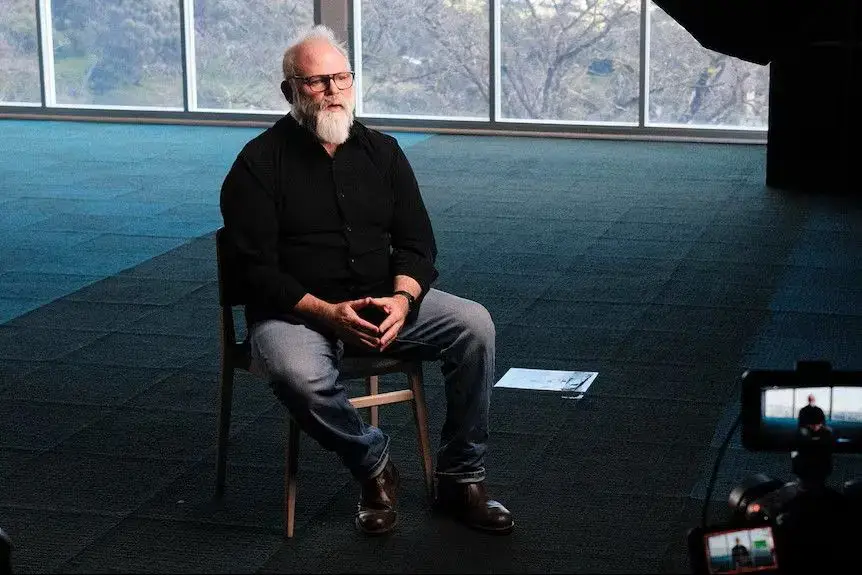
Professor Ben Wadham, Director of Open Door, describes the model through a familiar public health metaphor. A fence at the top of a cliff prevents people from falling, while an ambulance at the bottom responds after they have been injured. Australia’s veteran support system directs much of its funding and expertise towards the ambulance through clinical assessment, diagnosis, treatment and compensation. Open Door’s work concentrates on building the fence.
The approach draws on the biopsychosocial model, which understands health through the interaction between biological, psychological and social factors. It also reflects the distinction between primary, secondary and tertiary healthcare. Primary prevention reduces the likelihood of harm, secondary care responds when risks or early symptoms emerge, and tertiary care supports people with established injuries or conditions.
“We put a great deal of effort into picking people up after they have broken,” Wadham says. “A preventive model creates the supports around them earlier, which can reduce the personal harm and the pressure placed on clinical services.”
Expanding the veteran mental health model
Clinical and psychological care remain part of Open Door’s work, including through the centre’s clinical leadership. Wadham’s research adds a social and structural dimension by examining the environments in which psychological distress develops and the practical conditions that support recovery.
This perspective changes the questions asked about veteran mental health. An individual clinical model may focus on symptoms, diagnoses and treatment pathways. A preventive model also considers what happened during service, how the person left the Australian Defence Force, the strength of their family and community relationships, and whether they have access to secure housing, meaningful work and education.
It places responsibility across the systems surrounding the individual. Defence culture, military justice, transition programs, government services, employers, educational institutions and community organisations all influence a veteran’s capacity to establish a sustainable civilian life.
“We are broadening the understanding of veteran wellbeing,” Wadham says. “If we strengthen the social and structural conditions around people, they have a much better platform for managing their health and moving forward.”
This approach can also reduce demand for expensive crisis-point care. Preventive investment supports people before distress develops into severe psychological illness, relationship breakdown, homelessness, unemployment, substance dependence or suicidality. Clinical care remains available when needed, while fewer people are left to reach crisis before receiving meaningful assistance.
Transition as a social process
The transition from military to civilian life shows how this model works in practice. Transition is frequently managed as an individual process involving discharge administration, employment preparation and access to mental health services. Open Door views it as a wider social and structural change affecting almost every part of a person’s life.
Military service provides more than employment. It can shape identity, routine, relationships, housing, healthcare, income, social status and belonging. Leaving that environment requires people to rebuild these foundations while translating their military experience into civilian settings that may value and describe skills differently.
Education and recognition of prior learning can help veterans convert military training into civilian qualifications. Employment provides income, identity and social connection. Stable housing creates the security needed to manage other areas of life, while transport affects access to work, healthcare and community. Family support, legal assistance and opportunities for civic participation also influence whether a veteran can establish a viable future.
“Transition involves education, employment, housing, transport, community and justice,” Wadham says. “When those foundations are in place, they support people who are managing mental health concerns and give them practical ways to move forward.”
Open Door’s research and program work reflects these interconnected needs. The centre is studying veteran employment and recognition of prior learning, evaluating transition programs and contributing to mental health and wellbeing pathways for South Australian veterans. Wadham also advises government through the South Australian Suicide Prevention Council and the Veterans Health Advisory Council.
The work treats mental health as part of everyday life. A person’s psychological wellbeing is influenced by whether they can pay rent, find suitable work, access services, maintain relationships and feel connected to a community. Addressing those conditions can create lasting improvements that extend beyond the reach of a clinical intervention.
Building the evidence for prevention
Open Door’s model is supported by research spanning institutional abuse, suicide, transition and family wellbeing. Wadham led an Australian Research Council project on institutional abuse between 2018 and 2021, followed by a second project examining the social and historical dimensions of veteran suicidality from 2022 to 2026.
The second project extends from 1914 to the present, providing a longer historical view than the period examined by the Royal Commission into Defence and Veteran Suicide. It includes 111 interviews, 40 microhistories, a wellbeing survey and policy analysis, allowing researchers to examine how military service, institutions and social conditions have shaped suicide risk across generations.
This evidence complements the research Open Door completed for the Royal Commission. Its commissioned report, Mapping Service and Transition to Self-Harm and Suicidality, drew on 113 interviews and examined the connections between military service, institutional experiences, transition, self-harm and suicide.
Together, these projects broaden the evidence base beyond individual psychology. They explore how institutional abuse, military justice, involuntary separation, family strain, employment, community connection and access to support can influence wellbeing across the service life course.
Wadham describes this as methodological diversity. Psychological and clinical research explains important aspects of mental illness and treatment, while historical, sociological and public health research identifies the systems and circumstances that create risk or provide protection.
“Australia has built a strong individual and diagnostic focus,” he says. “We are bringing social, cultural and institutional evidence into the same conversation so prevention becomes a larger part of the response.”
Working within a medico-legal system
Preventive reform must operate within a veteran support system heavily influenced by medicine, compensation and legal eligibility. Wadham describes the Department of Veterans’ Affairs as fundamentally medico-legal in its traditional functions, with veterans required to establish that a condition is connected to service before gaining access to compensation and some forms of support.
That structure is designed to assess liability and entitlement. It directs resources towards diagnoses, evidence, claims and impairment after injury has occurred. Wadham argues that prevention requires investment before a veteran enters this process, with services organised around wellbeing as well as compensable conditions.
“The system is driven by money and medicine,” he says. “DVA operates in many ways like an insurance system, with legislation, conditions and compensation at its core. The emerging wellbeing function creates an opportunity to build another side focused on prevention and social health.”
DVA’s development of a Wellbeing Agency could provide a stronger institutional home for this approach. Its value will depend on how wellbeing is defined, funded and connected to the department’s established compensation and rehabilitation responsibilities.
Open Door is also involved in a bid for $3 million to establish a Centre of Research Excellence in social and preventive healthcare for veterans and families. At the time of the interview, the proposal was under development with government support. The centre would bring university research into closer alignment with public policy and provide evidence to guide preventive services.
Such a centre could help evaluate which interventions reduce risk, improve transition and ease demand on acute and specialised healthcare. It could also connect research across housing, employment, education, family wellbeing and community participation, giving policymakers a clearer view of how these areas combine to influence veteran health.
Creating pathways before crisis
A preventive model requires services to recognise risk across the full military life course. Support can begin during service by strengthening ethical leadership, addressing institutional abuse and preparing personnel for future transitions. It can continue through discharge with coordinated assistance covering employment, education, housing, family relationships and community connection.
The model also requires success to be measured through broader outcomes. Clinical improvement is one indicator, alongside secure housing, stable employment, educational participation, family wellbeing, community connection and a person’s ability to navigate services. These measures reveal whether veterans are building sustainable lives as well as managing symptoms.
Open Door’s combination of critical research and health promotion reflects Wadham’s own effort to balance accountability with practical pathways forward. His earlier work concentrated heavily on institutional abuse and military justice. Establishing Open Door in 2021 allowed him to continue examining those harms while building a larger research program around strengths, families, prevention and wellbeing.
The scale and persistence of the work have carried a personal cost. Wadham has spent decades documenting abuse, challenging institutions and working through repeated cycles of inquiry and reform. He acknowledges the fatigue while remaining committed to the possibility of change.
“I’m pretty cooked in some ways, but I’m still here and I’m still doing the work,” he says. “There is enough movement, support and willingness to listen to keep pushing.”
That persistence reflects the long horizon of preventive reform. Clinical services can respond to an immediate need, while social and structural change requires sustained work across government, Defence, healthcare and the community. Open Door’s model offers a practical foundation for that change by investing in the conditions that help veterans remain well and recover before crisis becomes the point of entry into support.