Conversations about veteran and first responder wellbeing often focus on clinical services, employment, and physical health, yet personal fulfilment, social connection, and a sense of purpose also play an important role in long-term wellbeing. Creative pursuits are increasingly recognised as valuable pathways for self-expression, lifelong learning, community engagement, and identity beyond service, particularly during periods of transition when people are exploring new ways to contribute, connect, and grow.
For many veterans and first responders, service becomes part of who they are. It shapes how they think, how they solve problems, and how they contribute to the people around them. Yet there often comes a point when the demands of service change, a career ends, or life takes an unexpected turn, creating space for new pursuits and different ways of expressing ourselves.
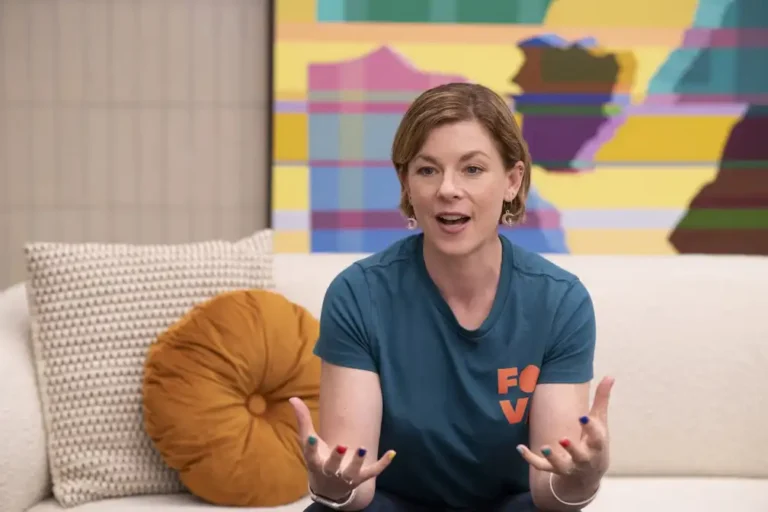
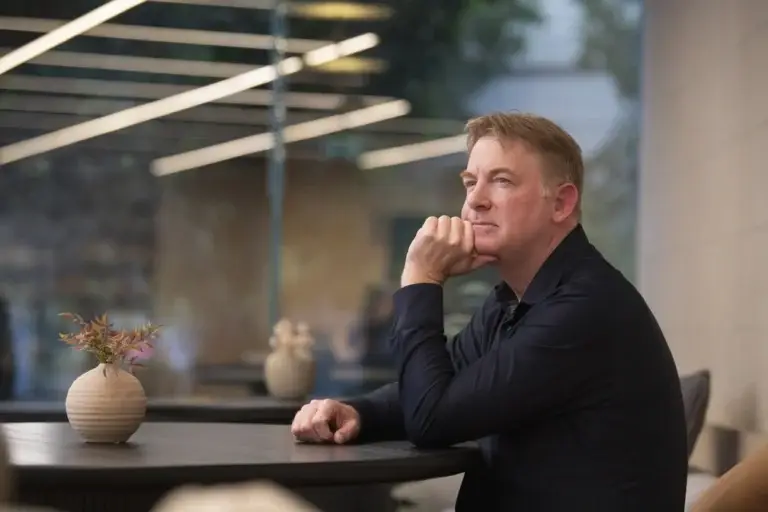
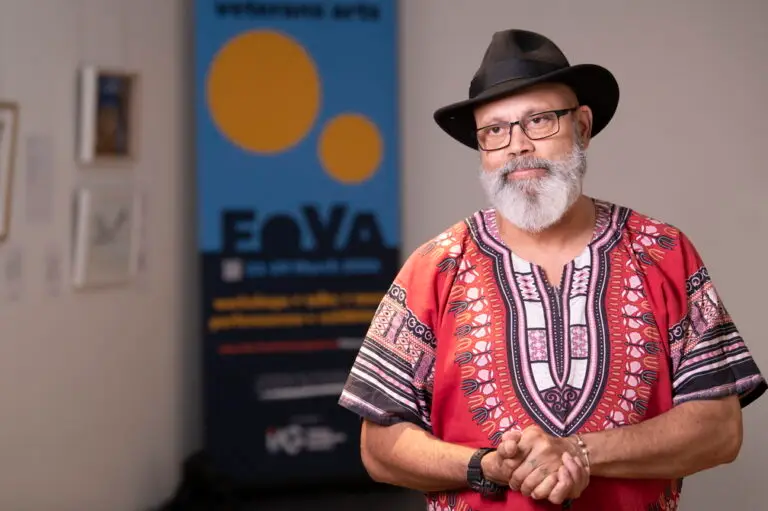
For veteran and artist Sacha De Wit, that journey led somewhere she never expected. Today, she combines drawing, storytelling, history, and technology to create intricate embroidered artworks, exhibitions, cards, and textile pieces that she sells through her business, draw stitch smile. Yet creativity was not something she actively pursued for most of her life.
“I spent years focused on work, family, and all the responsibilities that come with life,” Sacha says. “Creativity arrived later. It wasn’t part of some grand plan. It appeared when I finally had the time and space to explore something different.”
What began as curiosity quickly became something much more meaningful. A lifelong interest in computers and systems merged with a newfound love of drawing and design. Using embroidery software, Sacha learned how to transform sketches into stitched artworks, blending technology and creativity in ways that felt both familiar and exciting.
“I love the process of taking an idea from a piece of paper and bringing it to life through thread,” she says. “Every time I watch a design emerge from the machine, it still feels a little bit magical.”
What makes Sacha’s story particularly relevant is that her creative practice did not begin with a desire to become an artist. It began with a desire to explore, learn, and create.
How curiosity can lead to purpose and connection
Many people assume creativity belongs to those with natural artistic talent. In reality, creativity is often less about talent and more about curiosity. It can take the form of woodworking, photography, gardening, writing, music, cooking, model building, metalwork, leathercraft, or any activity that allows someone to create something with their hands and imagination.
For people who have spent years solving problems, working in teams, and operating in demanding environments, those activities can offer a different kind of challenge and fulfilment.
“Creativity gives you permission to play again,” Sacha says. “You don’t have to get it right. You don’t have to have all the answers. You can simply explore an idea and see where it takes you.”
That sense of exploration can become particularly valuable during periods of transition. Many veterans and first responders speak about the challenge of redefining themselves after service. Roles and routines change, and communities sometimes shift. Activities that create a sense of purpose, achievement, and personal expression can help bridge that gap.
A powerful vehicle for storytelling
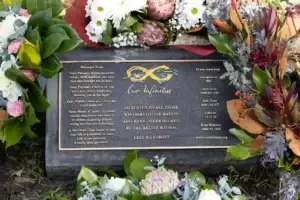
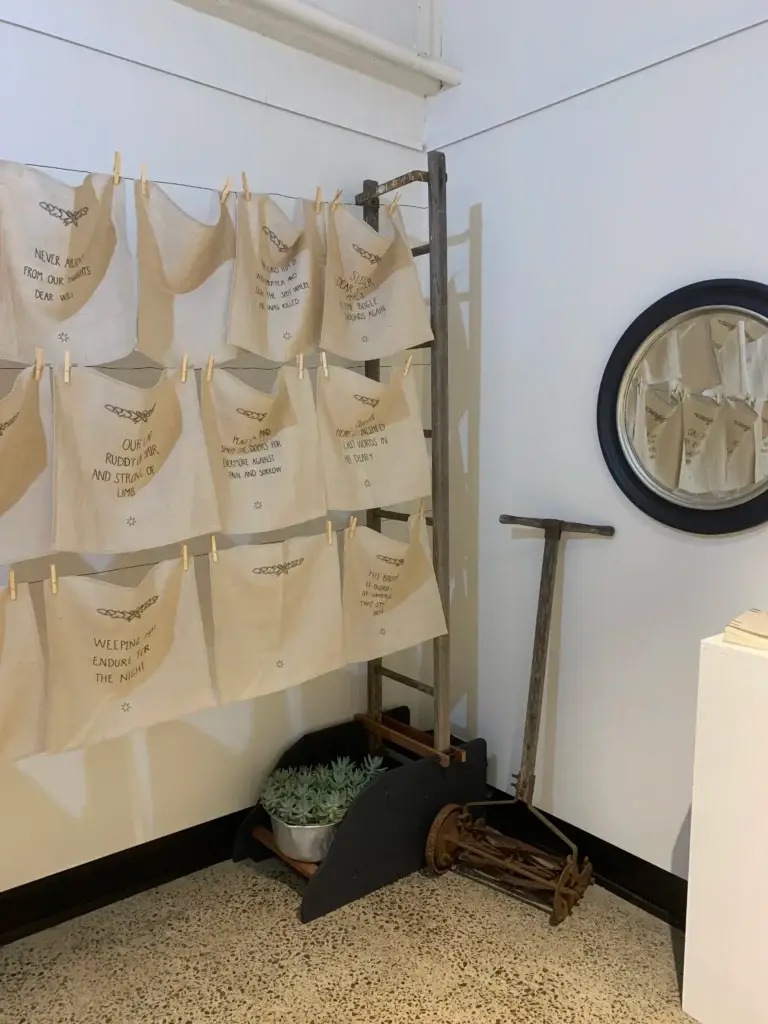
One of Sacha’s most significant projects, The Unknown Widow, explored the experiences of families who lost loved ones during the First World War. The exhibition was inspired by a historical detail that stayed with her long after she first heard it: grieving families were limited to just 66 characters when choosing inscriptions for war graves.
“I couldn’t stop thinking about it,” Sacha recalls. “Imagine trying to capture an entire life, a family’s grief, their love, their hopes, in just 66 characters. The more I thought about it, the more I felt compelled to tell that story.”
The resulting exhibition combined embroidered handkerchiefs, historical research, typography, and collaboration with fellow creatives. Visitors were encouraged to engage with the pieces physically, creating a deeply personal experience that connected people with stories many had never encountered before.
That ability to preserve stories and invite reflection sits at the heart of meaningful creative work. “Art creates conversations,” she says. “Sometimes it helps people learn something new. Sometimes it helps them remember. Sometimes it simply gives them a different way of looking at the world.”
That same philosophy extends beyond galleries and exhibitions. Some of Sacha’s most rewarding experiences have come through helping others bring their own ideas to life. She recalls working with a woman living with an acquired brain injury who had created several drawings. Together, they transformed those designs into embroidered shirts.
“The joy on her face when she saw her artwork turned into something real was unforgettable,” Sacha says. “Those moments remind you that creativity isn’t just about self-expression. It’s about helping other people express themselves too.”
That focus on connection appears repeatedly throughout her work. Whether she’s collaborating with fellow artists, sharing creative projects with her daughter, or working alongside members of the veteran community, creativity becomes a way of bringing people together.
“Some of the best things I’ve created have involved other people,” she says. “The relationships that develop through collaboration are often just as valuable as the finished piece.” For veterans and first responders, that sense of connection can be particularly powerful.
Creative groups, workshops, community projects, choirs, photography clubs, makerspaces, and writing groups all provide opportunities to build relationships around shared interests rather than shared challenges. Conversations develop naturally. Friendships form. New perspectives emerge.
The creative activity itself often becomes only part of the benefit, and Sacha believes the most important step is simply giving yourself permission to start. “Don’t worry about whether you’re good at it,” she says. “Follow what interests you and what makes you curious. You might discover something that becomes a really important part of your life.”
Getting started
For those wondering where to begin, Sacha’s advice is refreshingly practical. Choose something that genuinely interests you. Focus on the process rather than the outcome. Allow yourself to experiment. Find opportunities to learn alongside others. Most importantly, approach it with a sense of curiosity rather than expectation.
Creativity is not about producing perfect work; it’s about engaging with ideas, exploring new possibilities, expressing experiences, and creating moments of connection.
For Sacha, a journey that began with a sketchbook and an embroidery machine became something much larger. It became a way to tell stories, honour history, support others, build community, and continue growing long after service.
Perhaps that’s creativity’s greatest gift. It reminds us that there are always new chapters waiting to be written.