
Proposed changes to veterans’ allied health funding could reshape how people with complex or ongoing needs access treatment from July 2027. As DVA consults on a $5,000 annual review threshold, conflicting explanations about provider integrity and overservicing are intensifying scrutiny of the policy, its administrative requirements and the safeguards intended to preserve continuity of care.
The Department of Veterans’ Affairs has moved to separate provider fraud and integrity concerns from its controversial $5,000 allied health cap, despite telling Senate Estimates the new measure was directly linked to overservicing.
DVA has released its consultation paper for the cap, which was announced in this year’s federal budget and has repeatedly come under fire from veterans, advocates and parliamentarians over concerns it could disrupt continuity of care and a lack of consultation before the measure was announced.
The paper, which invites submissions on the changes, states “system integrity issues are addressed in other ways” despite DVA representatives at Senate Estimates linking the changes to the “sharp practices” from a small number of allied health providers.
“DVA recognises that most providers deliver care appropriately and in line with veterans’ clinical needs,” the consultation paper states.
“DVA separately monitors provider compliance and investigates suspected fraudulent behaviour.
“This work will continue independently to the changes outlined in this paper.”
In her opening statement to Senate Estimates in June, DVA Secretary Alison Frame told Senators the initiative would ensure veterans benefited from greater accountability for effective treatment, “while addressing instances of overservicing in the current system”.
Ms Frame said while some veterans had complex clinical needs requiring high levels of care, other cases reflected “sharp practices driven by a small number of providers”.

Nationals Senator Ross Cadell challenged the justification at the hearing questioning whether examples of extreme provider behaviour warranted imposing the measure across the veteran population using allied health services.
“You’re getting 300,000 veterans, and you’re saying you all suffer because one person’s giving $101,000 worth of dietary advice,” Senator Cadell said.
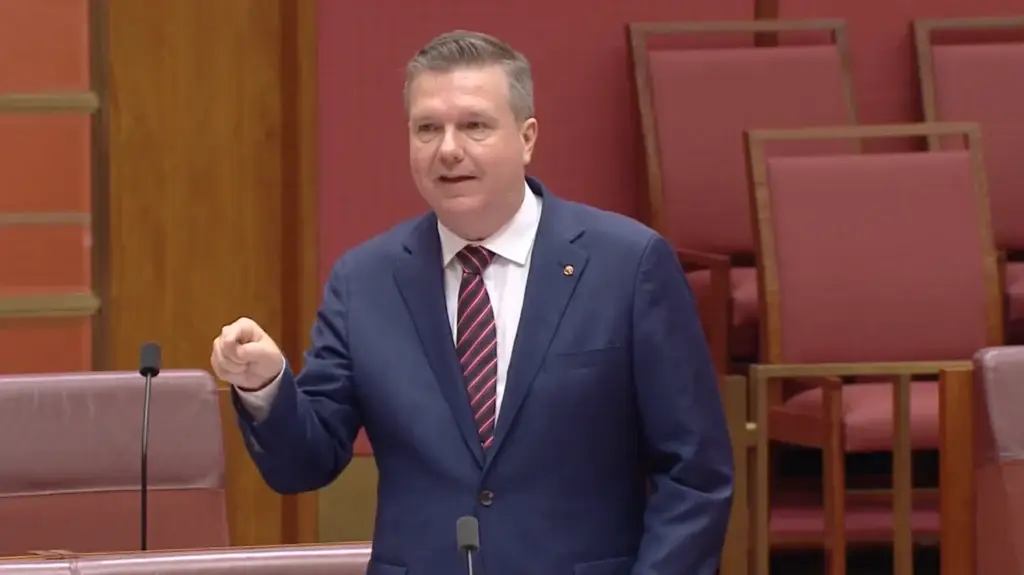
“I don’t want one example to be used as the justification for a $5,000 cap on services across the entire range.”
The Department also came under fire for its lack of consultation with the veteran community before announcing the new measures.
Greens Senator David Shoebridge told DVA that senators may have supported the changes if the department had first undertaken consultation, examined the data to identify providers potentially exploiting the system and targeted those providers.
“You’ve done the exact opposite. You’re actually targeting the veterans, and you’re putting these hoops and these barriers to prevent the veterans getting the service,” Senator Shoebridge said.

“Every time an injured veteran engages with the system, it has the potential to traumatise or to set the veteran back.
“It’s the exact opposite, you’re going to massively increase the number of interactions when veterans are simply asking to go to the physio.”
Under the new arrangements, allied health provider fees will increase from July 1, 2027, while the existing 12-session treatment cycle will be abolished and replaced with a $5,000 annual cap for reviewing treatment. Veterans will still require an initial GP referral but will no longer need a new referral after 12 sessions to continue their care.
The threshold will not apply to Veteran Card holders receiving the Special Rate Disability Pension or Totally and Permanently Incapacitated Pension, or those determined to be catastrophically injured. Veterans who require more than $5,000 in allied health care will be able to access additional treatment based on clinical need, with DVA saying care can continue while an application is being considered to avoid a gap in services.
The proposed arrangements seek to address concerns raised during Senate Estimates about the potential for disruption of continuity of care for veterans with complex needs who reach the threshold.
LNP Senator Paul Scarr raised concerns over how DVA would prevent interruptions to veterans who were receiving time-critical treatments from allied health clinicians.
“If you’re dealing with complicated cases involving psychological support, pain management support or physical therapy, for which those decisions are time critical, how are you going to militate against the risk that a veteran bumps up against this $5,000 cap and there’s an interruption to the continuity of treatment, which has devastating health consequences on a veteran?” Senator Scarr said.

Under the proposed model, veterans requiring treatment beyond $5,000 would have to begin the approval process before reaching the threshold, first consulting their allied health provider and GP and completing the required DVA paperwork before the department considers the request – a process DVA says could take up to 28 days.
Treatment could continue beyond the $5,000 threshold while DVA considered the application, but only where the request had been made before the veteran reached the limit.
If approved, the veteran would be notified and their account updated to reflect the additional services. Where DVA determined the requested treatment was no longer clinically appropriate, the department would contact the veteran or their authorised representative to discuss referral to other supports.
DVA is considering how requests for additional services should be made and what evidence should be required. Consultation feedback will help inform the final design of the pathway, including the role of the veteran, their usual GP, treating allied health providers and DVA.
The department is also seeking feedback on how the process should operate for veterans with complex or ongoing health needs, including whether alternative pathways may be appropriate in circumstances where treatment above the $5,000 threshold is likely to be required.
Submissions on the proposed changes close on October 30, with the new allied health arrangements due to take effect from July 1, 2027.