ADF personnel who die during training leave a lasting impact on their families, units and the people who served beside them. A proposed national memorial on Anzac Parade aims to recognise their service through a veteran-led process, with bereaved families, artists and the wider Defence community helping shape its design, meaning and path towards completion.
The Australian Peacekeeper and Peacemaker Veterans’ Association (APPVA) is preparing to begin a national consultation process for a memorial to ADF personnel who died during training.
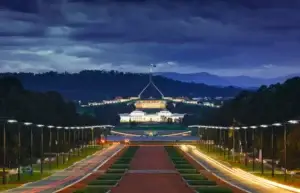
The National Capital Authority has allocated a position on Anzac Parade for the proposed memorial while the Association develops a design. Two project managers are supporting the work, and former Chief of the Defence Force Sir Angus Houston has become the project’s patron.
The Association’s CEO, Rod Henderson, expects development to take at least five years. The immediate priority is to speak with veterans and families about what the memorial should represent before a formal design is prepared.
A project shaped by personal loss
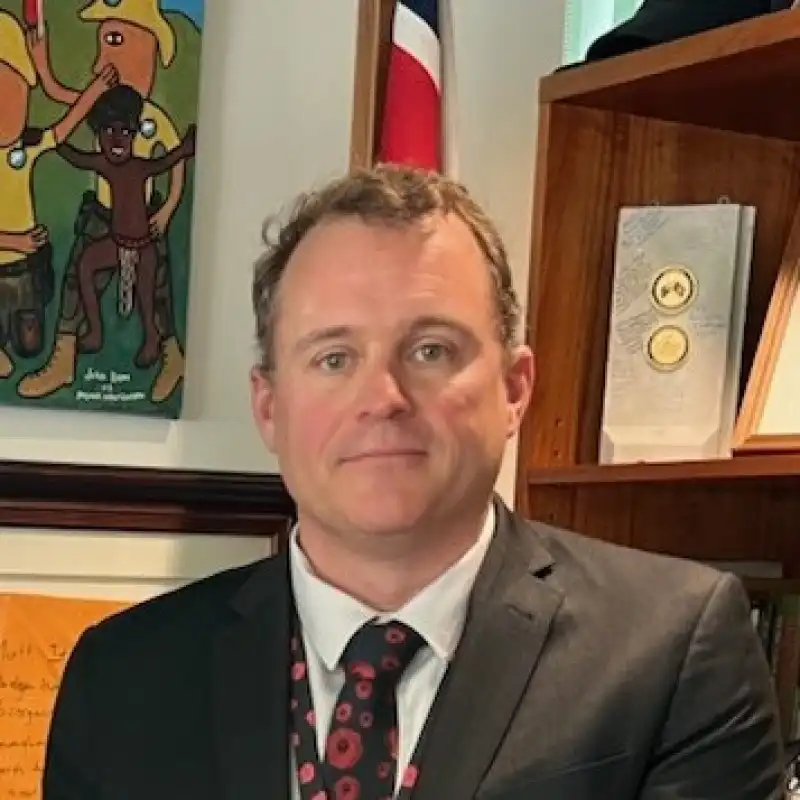
Henderson made the memorial a priority when he became the Association’s first CEO in March 2025. He has lost friends in training accidents and has seen the impact these deaths have on families, units and colleagues across the ADF.
Training deaths occur across services, ranks and generations. While the circumstances differ, each person died while preparing themselves and others for the work required of the ADF. Henderson believes that service warrants a dedicated national place of remembrance for the people who died and the families who continue to carry their loss.
“This is first and foremost for the people who died going to work in training,” he says. “It will also provide an important place of commemoration for their families.”
The project has a wider scope than the Association’s peacekeeping work. Henderson says the organisation took it on because it already had the governance, charitable status and deductible gift recipient arrangements needed to begin building a national project.
Creating a separate organisation would have required substantial spending on legal, governance and administrative structures before work on the memorial could begin. Using the Association’s existing structure allowed the project to move into planning and gave it an established organisation through which to receive donations and coordinate the work.
Consultation will begin with veterans and families
The Association plans to consult through veteran hubs and other community networks over the next 12 months. These sessions will explain the purpose and current status of the project before inviting veterans and families to share what they would like the memorial to convey.
Henderson is already in contact with families who have lost loved ones during training and wants their experience to guide the process. The consultation will give them a direct role in shaping a memorial intended to carry personal meaning alongside its national commemorative purpose.
The veteran arts community is also being invited to develop ideas. Early concepts have begun to emerge, although the design remains open while the Association gathers wider input.
Henderson wants veteran artists to have a meaningful opportunity to contribute before the project moves into the formal design and approval stages. Their involvement can bring an understanding of service life, training and loss into the creative process while giving the veteran community greater ownership of the result.
“We want to listen to the veteran community and the families about what they would like to see in a memorial here in Canberra,” he says. “The more people we can bring together to develop those ideas, the better.”
The eventual concept will need to meet the planning, design and heritage requirements that apply to Anzac Parade. The current consultation phase will establish the ideas and experiences that should inform that work.
Funding remains the largest challenge
The Association has sought seed funding through government and Department of Veterans’ Affairs channels and is continuing to build financial support for the project. Henderson expects fundraising to remain a major part of the work as it progresses through consultation, design, approvals and construction.
Professional costs can place considerable pressure on a community-led project before construction begins. Legal advice, project governance, contracts, marketing, communications and fundraising all require specialist expertise, which is why the Association is inviting veterans, families and supporters to contribute professional skills alongside financial donations.
A lawyer may be able to assist with contracts, while a project manager, marketer, designer or media professional could help the Association complete work that would otherwise draw heavily on donated funds. Henderson sees these contributions as another way for the Defence and veteran communities to help build the memorial.
“If someone has a legal, media, marketing or project background, that expertise could be their contribution,” he says. “It allows us to put more of the funding we receive into developing the memorial while giving people a genuine role in making it happen.”
Henderson also wants the project to draw on people who have experience delivering large and complex initiatives. A memorial on Anzac Parade will require coordination across several organisations and disciplines over a sustained period, placing a premium on sound governance and careful use of funds.
A community project with national reach
The Association will provide the organisational structure for the memorial, while Henderson wants veterans and bereaved families to lead its direction. He sees his role as bringing together the people, expertise and funding needed to carry the project from its current planning stage through to completion.
“This is a community project,” he says. “I want to get it done with as many good people around us as possible and make sure the people who contribute are recognised for helping to make it happen.”
The allocation of a position on Anzac Parade gives the project a clear path into its next phase. Consultation will now begin to shape the design, build community support and identify the professional and financial partnerships required for the years ahead.
For families whose loved ones died during training, the completed memorial will provide a dedicated place where their service is recognised and their names can be remembered together. For the people who trained and served beside them, it will acknowledge losses that remain part of the lived experience of the ADF.